
QIE Machinery
QIE Machinery
QIE Machinery
QIE Machinery



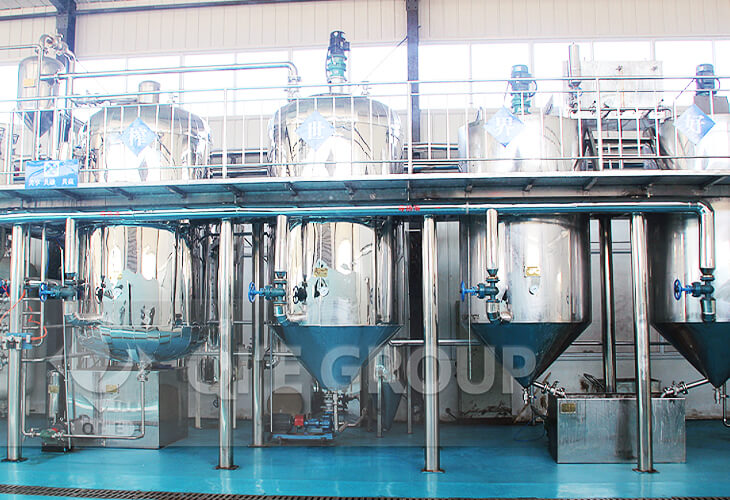
A 1-10 TPD (tons per day) batch-type palm oil refining line is a compact, small-scale processing system designed to convert crude palm oil (CPO) into high-quality, market-ready refined, bleached, and deodorized palm oil (RBDPO). This equipment configuration is particularly well-suited for small entrepreneurs, regional oil mills, and businesses with limited capital or floor space. The […]
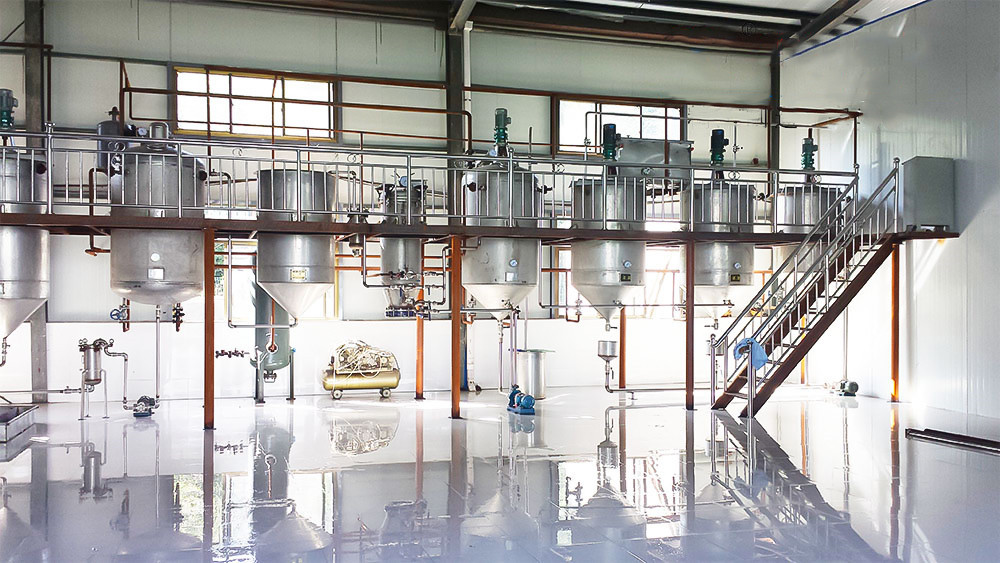
A complete palm oil refining line is the industrial process that transforms Crude Palm Oil (CPO)—a dark, odorous, and chemically unstable raw material—into Refined, Bleached, and Deodorized (RBD) Palm Oil, a golden-yellow, neutral-tasting, and stable edible oil ready for the food industry. The primary goal of this process is to systematically remove unwanted impurities from […]
Nigeria is Africa’s largest producer of palm oil and ranks fifth globally. Palm oil remains a core staple of Nigerian cuisine and a critical raw material for local manufacturing. It is absolutely a lucrative endeavor to Start Palm Oil Refining Business in Nigeria due to the huge demand locally and globally. The main production area […]
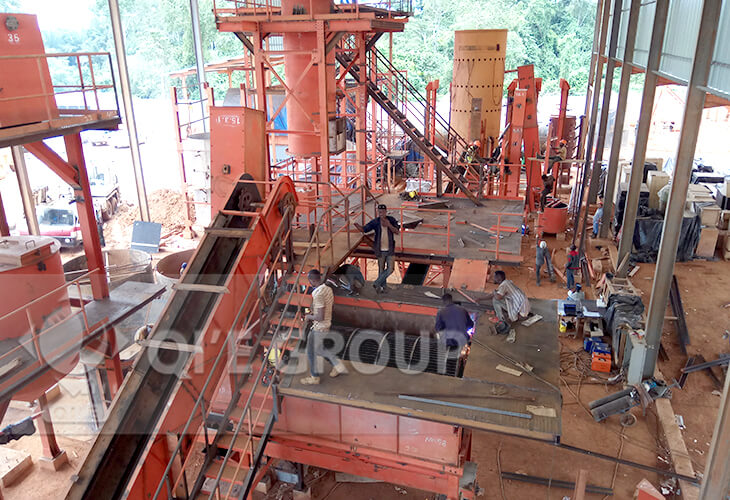
A 1-100 TPH (Tons Per Hour) Complete Palm Oil Production Line Project is an industrial turnkey solution designed to process Fresh Fruit Bunches (FFB) into Crude Palm Oil (CPO). At higher capacities (50–100 TPH), these automated milling lines prioritize mechanical extraction efficiency and biomass self-sufficiency. Complete palm oil production process in a large-scale palm oil […]
Country: Cameroon Raw Materials: Palm Fruit and Palm Kernel Oil Production Section: Palm Oil Processing; Palm Kernel Oil Extraction; CPO & KPO Refining; QIE Group provides highly efficient palm oil processing machines to support you start a profitable business in palm oil industry, starting from initial factory design to final installation and commissioning, we are always […]
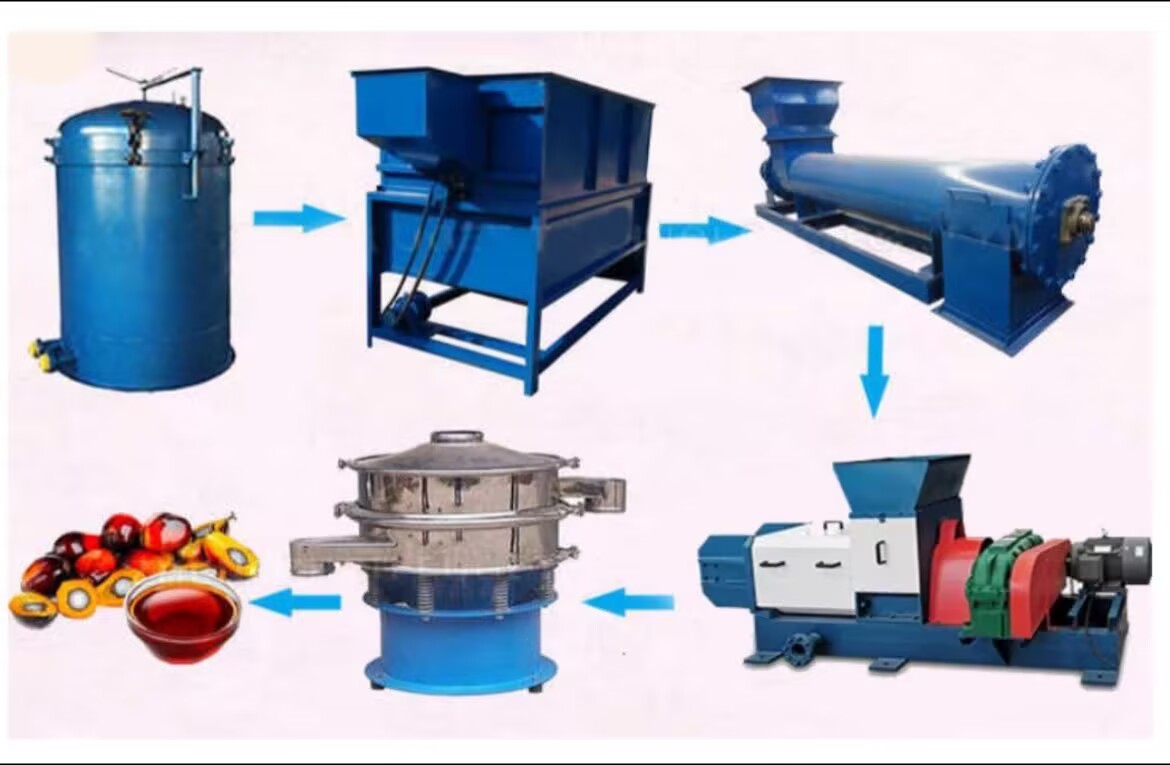
Cameroon is the third-largest palm oil producer in Sub-Saharan Africa. However, it still faces an annual structural deficit of over 100,000 metric tons, which is currently filled by costly imports. Smallholder farmers and local small-scale artisanal and semi-mechanized mills account for more than 50% of the domestic production capacity. This layout makes a semi-automated, small-scale […]
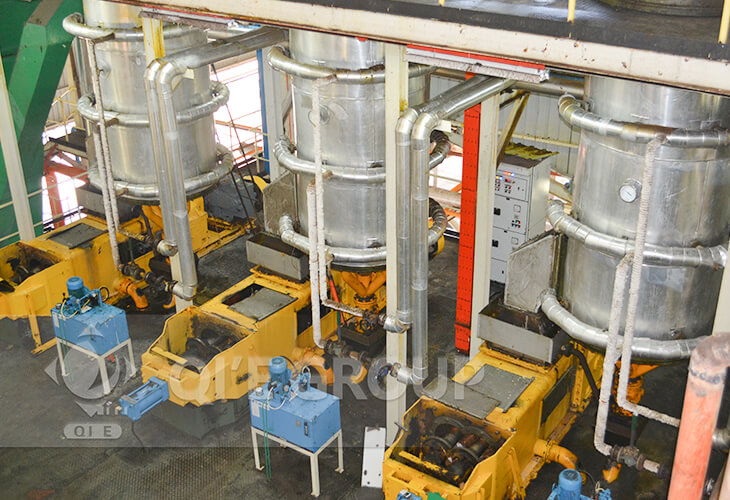
A large-scale palm oil production line in Nigeria represents a high-yield, automated industrial solution designed to capitalize on a massive structural supply deficit in Africa’s largest consumer market. While national crude palm oil production rose to 1.57 million tonnes, domestic consumption demands over 2.5 million tonnes. This gap requires multi-billion naira annual imports and highlights […]
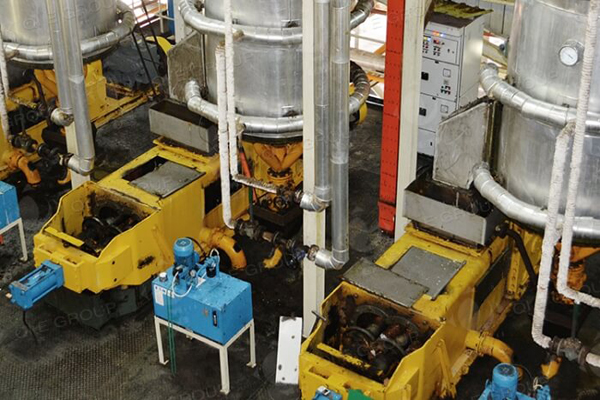
A 5TPH complete palm oil mill plant for Côte d’Ivoire is a fully continuous, small-to-medium scale processing line designed to process fresh palm fruit bunches (FFB) into crude palm oil (CPO). It is a popular turnkey solution for regional processors in West Africa, especially in Côte d’Ivoire, which has a large palm cultivation base. Capacity: […]
What is Palm Oil Refining? Palm Oil Refining is the industrial process of transforming Crude Palm Oil (CPO) into clean, safe, and stable edible oil. Crude palm oil naturally contains impurities like free fatty acids, gums, moisture, and dark pigments. The refining process removes these unwanted components. This improves the oil’s flavor, color, smell, and […]
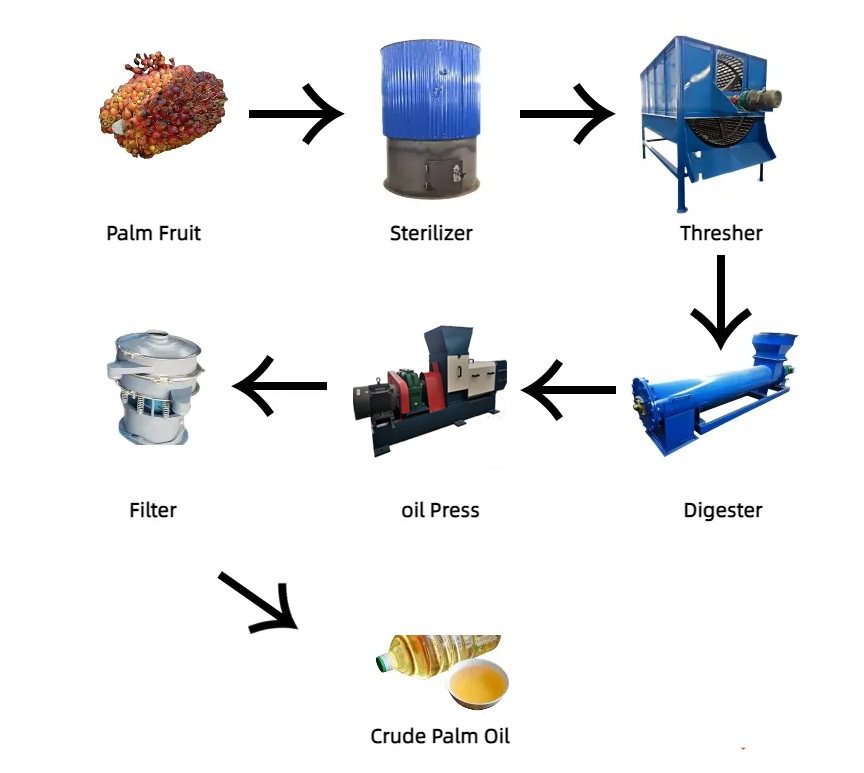
Palm oil is a popular edible oil extracted from the fruit of oil palm trees. Oil palm (Elaeis guineensis) is a plant native to west and central Africa that yields two types of oils – palm oil from the fruit and palm kernel oil from the seed. QIE Group is a professional manufacturer and supplier […]

Palm Oil Production Line
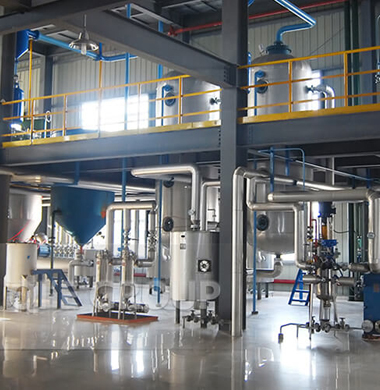
Palm Oil Refinery Plant
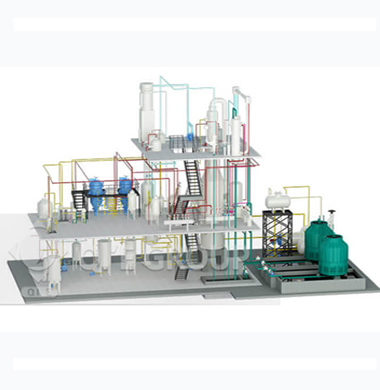
Palm Oil Fractionation Plant

Small Scale Palm Oil Processing Plant
Whether you contact us by phone, email, or leave a message online, we will provide you with comprehensive and high-quality services.
Phone: 0086-13949113983
WhatsApp:
Email: qiea@oilpresses.org
Address: No.352 Lianhua Street, Hightech Industrial Development Zone, , Zhengzhou City,Henan Province, China
