QIE Machinery
QIE Machinery
QIE Machinery
QIE Machinery

A 5TPH complete palm oil mill plant for Côte d’Ivoire is a fully continuous, small-to-medium scale processing line designed to process fresh palm fruit bunches (FFB) into crude palm oil (CPO). It is a popular turnkey solution for regional processors in West Africa, especially in Côte d’Ivoire, which has a large palm cultivation base.
1. Fresh Palm Fruit Bunch Receiving
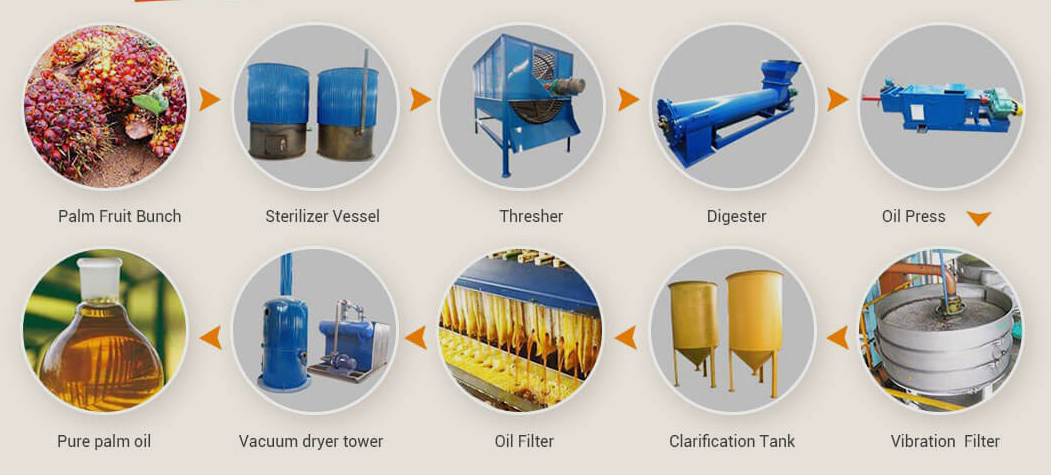
Fresh palm fruit bunches are transported into the factory and inspected preliminarily. Unripe, overripe and damaged bunches are sorted out to guarantee raw material quality, then qualified fruit bunches are conveyed to the next processing station steadily.
Fruit bunches are sent into vertical steam sterilizer. High-pressure steam works to stop enzymatic reaction that causes oil deterioration, soften fruit pulp and separate fruit stalks. This step effectively reduces free fatty acid content and improves final oil extraction rate.
Sterilized fruit bunches enter rotary threshing machine. Mechanical rotation and beating separate single palm fruits from empty bunches. Empty bunch residues are removed as waste, while scattered fruits are delivered to subsequent crushing procedure.
4. Fruit Digestion
Individual palm fruits are fed into digestion tank. Under constant heating and stirring, fruit flesh is fully broken down. Oil cells inside pulp rupture completely, making crude oil flow out easily and laying solid foundation for pressing extraction.
5. Mechanical Pressing
Digested pulp material goes into double-screw oil press. Strong squeezing force extrudes crude palm oil from pulp mixture. Solid palm cake is discharged separately, and mixed crude oil contains solid impurities and water to be purified later.
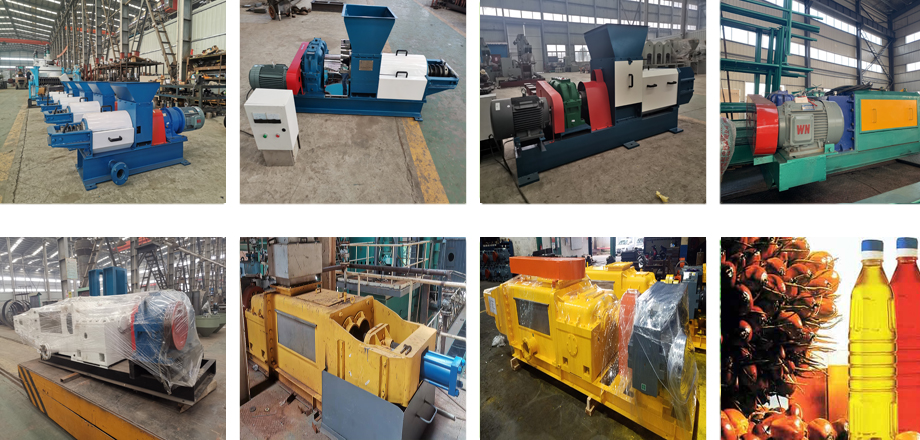
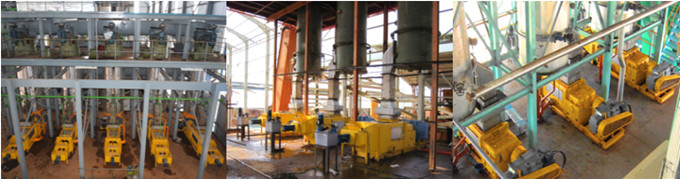
Extracted crude oil flows through multi-stage clarification system. Vibrating screen filters large solid residues, sediment tank settles fine impurities, and plate filter further removes tiny dregs. Turbid crude oil turns into preliminary clear oil after purification.
7. Vacuum Dehydration
Filtered oil is transferred to vacuum dehydrator. Low pressure environment evaporates residual moisture rapidly. Water content is controlled within standard range, preventing oil oxidation and extending storage shelf life of finished crude palm oil.
8. Palm Kernel Separation and Recovery
Pressed solid cake is processed by kernel cracking and sorting equipment. Hard palm shell and valuable palm kernel are separated accurately. Recovered palm kernel can be stored independently for follow-up palm kernel oil processing.
9. Finished Oil Storage
Qualified dehydrated crude palm oil is pumped into sealed oil storage tank. The finished product can be supplied for local edible consumption, deep refining processing or external sales transportation.
| NO. | Main section | Main machine | Functions |
| 1 | Fresh palm fruit bunch reception section | Loading ramp | Weighing palm fruit bunches |
| 2 | Sterilization section | Sterilization machine | reduce activity of the enzyme,prevent the rancidity |
| 3 | Threshing section | Threshing Machine | separate empty fruit bunch and palm fruit |
| 4 | Pressing section | Screw presser | Squeeze out most of palm oil by mechanical method |
| 5 | Oil clarification section | Clarification Tank | Filter impurities in crude palm oil |
| 6 | Fiber separation section | Palm nut and fiber separating machine | separate the palm nuts from fiber |
| 7 | Palm kernel recovery section | Palm kernel & shell cracking and separating machine | Crack palm nuts get pure palm kernel |
| 8 | Engine room | Diesel generator | supply power for palm oil mill |
| 9 | Boiler room | Boiler | Supply steam for whole palm oil mill |
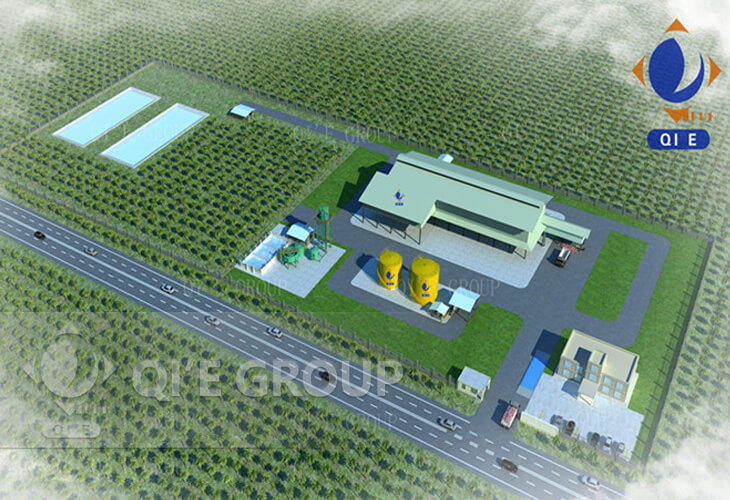
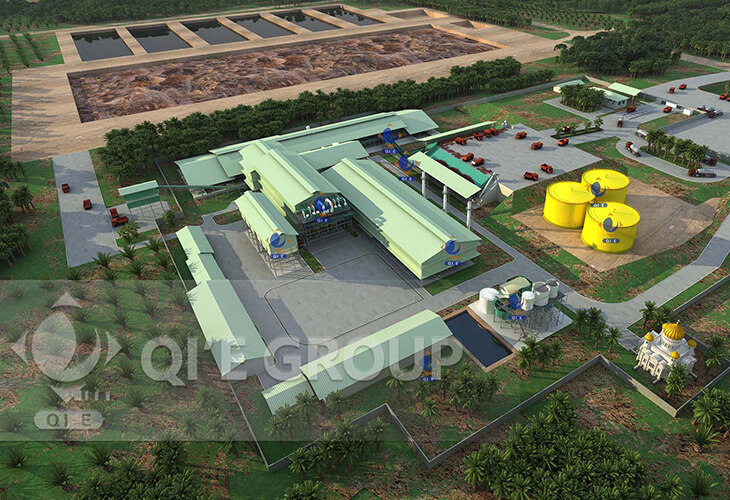
When designing your workshop for a 5TPH palm oil mill plant, it’s essential to consider several factors to ensure maximum efficiency, safety, and ease of operation:
Space for Material Handling: Raw material storage (fresh fruit bunches), transportation, and waste management should be incorporated into the workshop layout. Adequate space for conveyors, forklifts, and the handling of by-products like palm kernel and empty fruit bunches will improve overall production efficiency.
Safety and Accessibility: Ensure that there is enough space between machines to allow for safe access and emergency exits. Proper safety measures should be in place to protect workers and maintain a safe working environment. Pathways for workers and clear signage for emergency exits are important aspects of the design.
Utility Systems: Your workshop will need space for utility systems like electricity, water supply, steam lines, and waste management. These services should be incorporated into the overall layout to avoid disruption to the production process.
Future Expansion: As your business grows, you may want to increase production capacity. Planning for future expansion by leaving extra space or designing the layout to accommodate additional machines can save you time and money in the long run.
Storage and Packaging: The workshop should also include designated areas for storing finished palm oil, packaging materials, and other necessary components for the production process. This will streamline the final stages of production and distribution.
Q: How much does a complete 5 TPH palm oil mill plant cost?
A: A fully automated, industrial-grade 5 TPH turnkey production line generally costs between $130,000 and $390,000 USD for the machinery alone. Lower-tier, semi-automated setups can start around $30,000 to $69,000 USD.
Q: What is the typical Return on Investment (ROI) period?
A: With a consistent Fresh Fruit Bunch (FFB) supply, a 5 TPH mill operating in Côte d’Ivoire typically achieves ROI within 1.5 to 2.5 years. Profitability is heavily driven by the leap in Oil Extraction Rate (OER) from ~10% via traditional methods up to 19%–23% using an automated double-screw press line.
Q: How much land and workshop space do I need?
A: You will need a total land plot of 1.5 to 3.5 hectares to comfortably manage FFB loading bays, waste processing, and logistics trucks. The core mechanical workshop building requires a footprint of at least 30m × 15m × 8m (approx. 450 to 1,000 square meters) to house the main processing line safely.
Q: How many workers are needed to run a 5 TPH palm oil mill plant ?
A: An automated 5 TPH industrial palm oil mill plant requires a lean crew of 12 to 18 workers per shift. This includes roles for FFB reception, boiler supervision, press machine monitoring, clarification control, and mechanical maintenance.
Q: How many hectares of plantations do I need to support a 5 TPH palm oil mill?
A: A 5 TPH palm oil mill requires roughly 40 to 50 tons of FFB per day (assuming 8–10 hours of daily operation). To sustain this throughput year-round, you need a dedicated supply base of 1,000 to 1,500 hectares of mature oil palm trees, usually secured via a mix of private estates and local outgrower smallholder networks.
Q: How do manufacturers ship and install the machinery in Côte d’Ivoire?
A: Top manufacturers like QIE Group package the entire 130-ton layout into 6 to 8 standard 40ft High-Cube containers. They ship directly to Abidjan, dispatching engineers to your site to handle foundation blueprints, equipment assembly, plumbing, and staff training.


Palm Oil Production Line
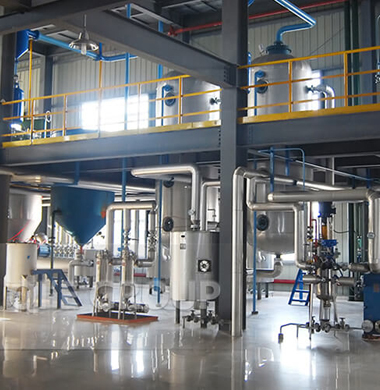
Palm Oil Refinery Plant
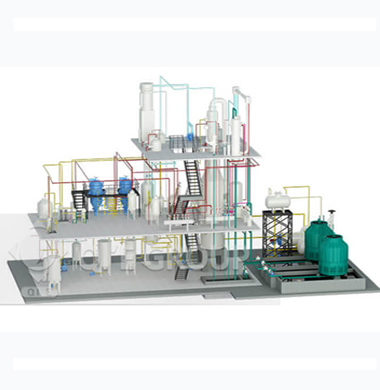
Palm Oil Fractionation Plant

Small Scale Palm Oil Processing Plant
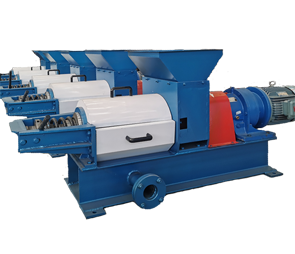
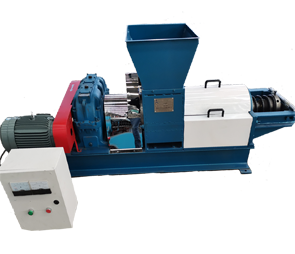
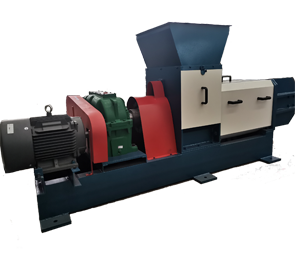
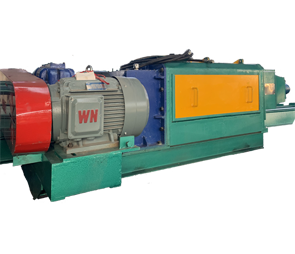
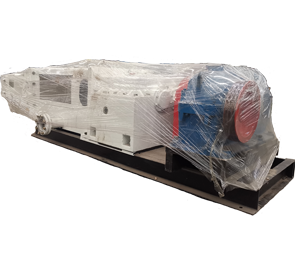
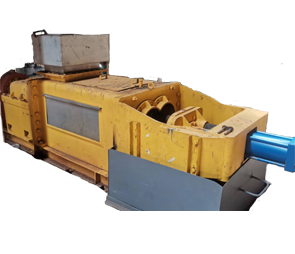
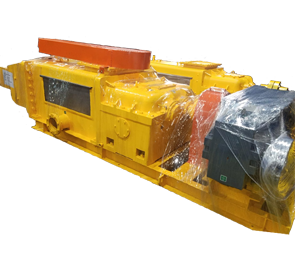
QIE Machinery offers a complete range of core equipment and related auxiliary equipment for palm oil solutions.
Whether you contact us by phone, email, or leave a message online, we will provide you with comprehensive and high-quality services.
Phone: 0086-13949113983
WhatsApp:
Email: qiea@oilpresses.org
Address: No.352 Lianhua Street, Hightech Industrial Development Zone, , Zhengzhou City,Henan Province, China