QIE Machinery
QIE Machinery
QIE Machinery
QIE Machinery

QIE Group provides highly efficient palm oil processing machines to support you start a profitable business in palm oil industry, starting from initial factory design to final installation and commissioning, we are always here to offer professional guidances. If you are interested in know more details about this palm oil and palm kernel oil production factory in Cameroon, please contact us any time!
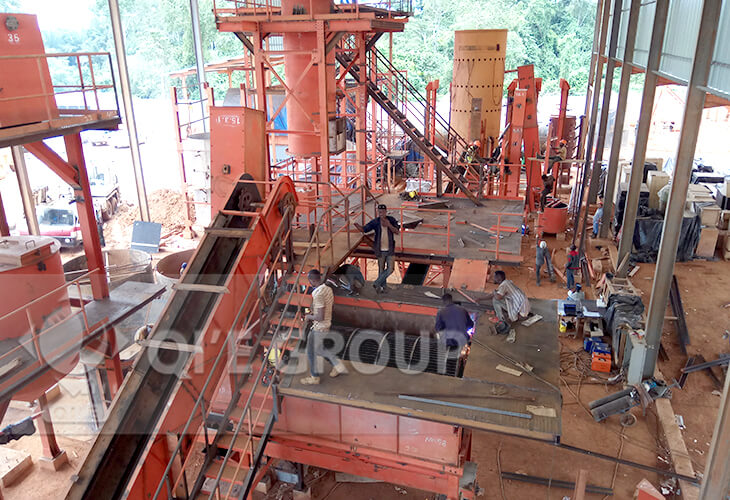
Palm oil is extracted from the fruits of the oil palm tree, which is developed in tropical districts of Asia and Africa. While palm oil makers depend on various methods to extracte this oil, the fundamental advances engaged with palm oil creation continue as before. Manufacturers must plant a supply of oil palms, and direct their consideration through development. The fruits of the tree would then be able to be reaped and prepared to discharge the oil. The last advance in palm oil generation includes refining the oil to meet the requests of different clients. When the fruits of oil palm have developed, groups cut them off the trees in substantial clusters utilizing cleavers or different instruments.
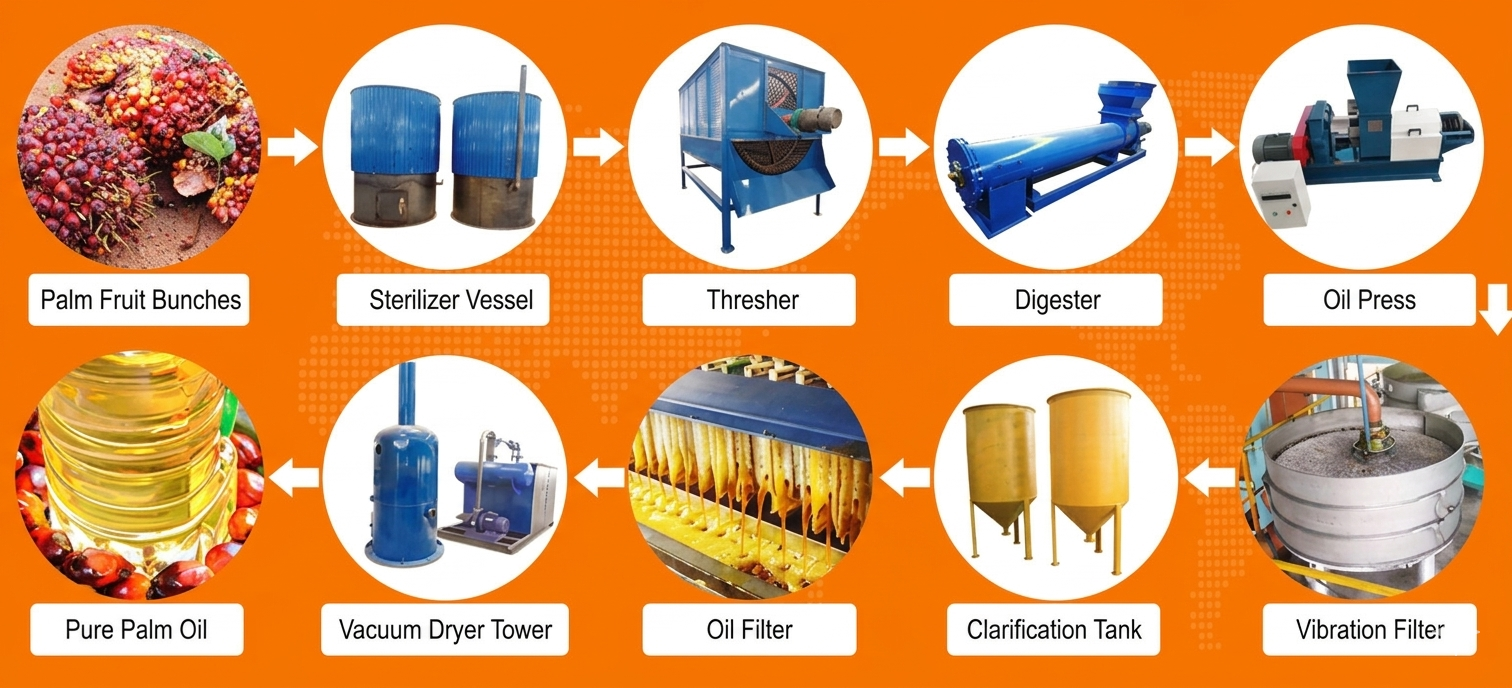
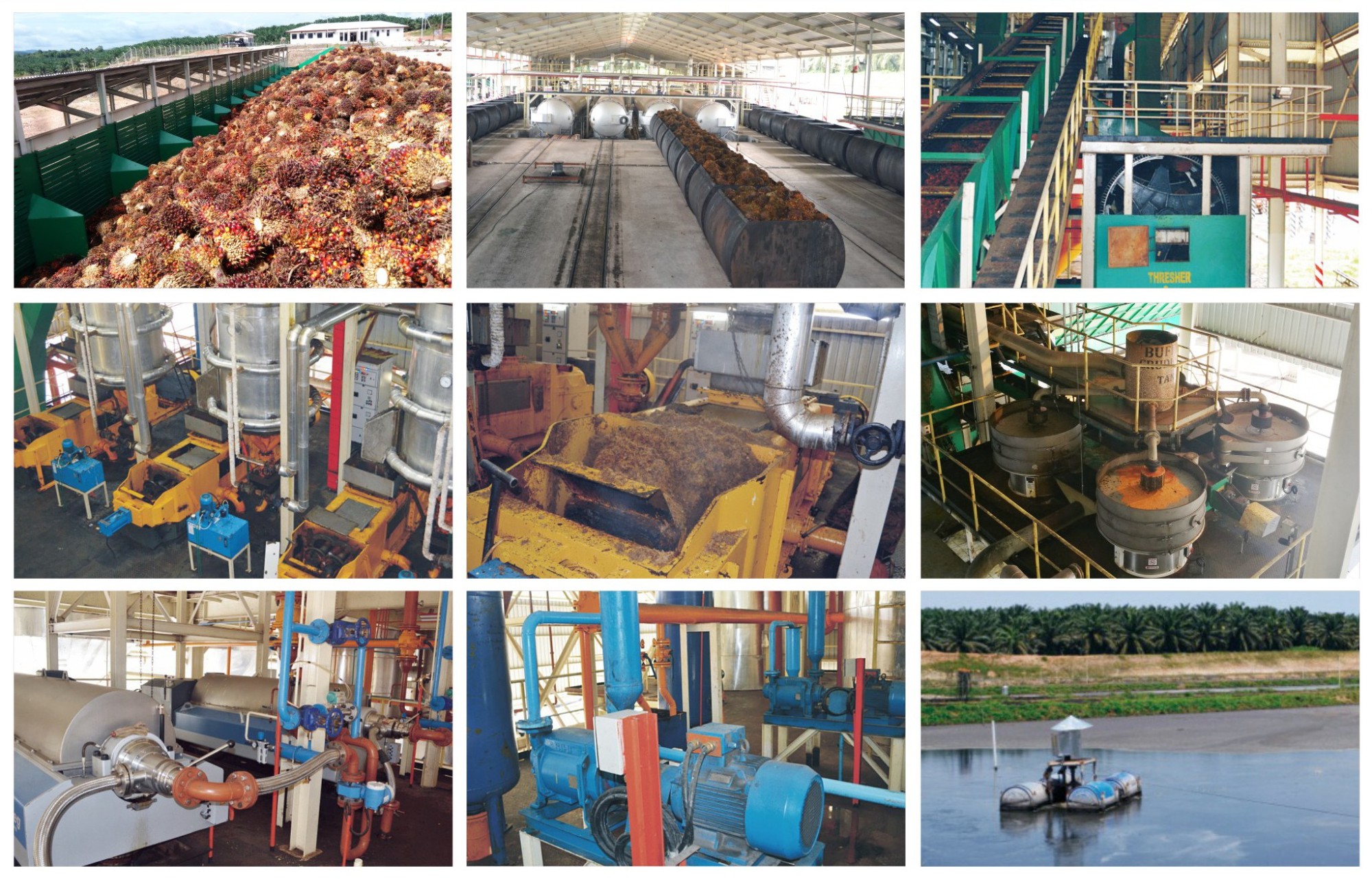
● Palm Fruit Reception: Mainly used to store palm fruit bunches picked from oil palm plantation.
● Palm Fruit Sterilizer: Mainly used to sterilize palm fruit through high temperature steam(more than 145℃). The purpose of palm fruit sterilization is to prevent enzyme decomposition, to prevent further increase the content of free fatty acids. At the same time, it is helpful for subsequent treatment to ensure the integrity of palm kernel.
● Palm Fruit Thresher: Mainly used to separate palm fruit from palm fruit bunches.
● Palm Fruit Digester: Mainly used to crush palm fruit to palm pulp, which is helpful for extruding more palm oil.
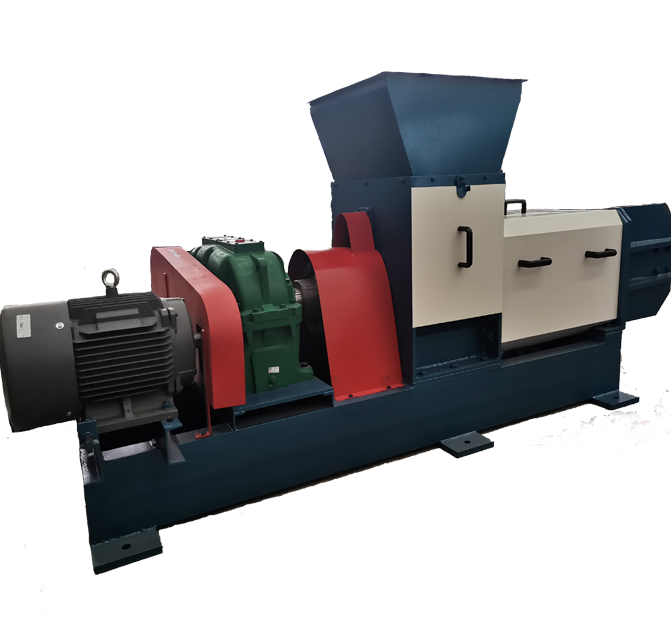
● Pam Oil Press: Double screw palm oil press is the most commonly used machine in small scale palm oil processing plant. After pressing, the mixture of palm oil and water and pressed cake (fiber cake) can be obtained.
● Crude Palm Oil Clarification Tank: Mainly through vibrating screen, clarifying tank and plate frame filter to filter the impurities in crude palm oil to ensure we can get relatively pure palm oil, which can be eaten directly. But if you have other special USES, you can also carry out deep processing, palm oil refinery plant can help you get RBD palm oil, while palm oil fractionation plant can help you get palm olein and palm stearin.
| Palm Oil Pressing | Sterilizing Tank, Thresher, Triturator, Screw Palm Oil Presser, Vibrating Screen, Settling Tank, Oil Filter Machine, Dryer, etc. |
|---|---|
| Palm Kernel Oil Pressing | Vibrating Screen, Elevator, Stock Bin, Nut Cracker Machine, High Pressure Pan, Palm Kernel Crusher, Flaker, Cooker, Palm Kerne Oil Expeller, Oil Filter Machine, etc. |
| Palm Oil & Palm Kernel Oil Refining | Refining Pot, Bleaching Pot, Filter, Deodorizing Pot, etc. |
| Remark | The three palm oil production lines share a steam boiler. |
Palm oil processing plants vary by scale and automation level, each with different investment and operational requirements.
| Plant Type | Capacity (TPH) | Description | Typical Users |
| Small/Artisanal | 0.5–5 | Simple manual or semi-mechanical presses, low cost | Cooperatives, village processors |
| Medium-Scale | 5–20 | Mechanical presses, modern sterilizers, and better efficiency | Entrepreneurs, SMEs, farmer groups |
| Large-Scale Industrial | 20+ | Full automatic lines, sterilization digesters, clarification systems | Corporate plantations, export producers |
Advantages of QIE Palm Oil Mill Plant:
A: No steam sterilizing, less consumption, save energy;
B: No sewage, no waste water treatment; Less space, less cost;
C: Empty bunches or kernel to burn. Fully use of all materials during palm oil production process.
D: Palm Cake has low moisture content, can be directly used to process animal feed.
E: Whole palm oil mill takes smaller place than traditional method;
F: Generate electricity by the system itself, solve electricity problem.
QIE Group, the top-rated palm oil mill plant supplier, has gained rich experience to provide the palm oil processing machines in Cameroon. We boasts professional design and development team to customize the advanced palm oil processing machines and techniques for our Cameroon customers. Believe it or not, there, you will enjoy the first-class service and premium quality machines. You are welcomed to contact us for more detailed information about the palm oil processing mill and palm oil processing machines. We will offer you the specific list of palm oil processing machines and quote the latest cost of palm oil processing mill.
1. Is there a demand for palm oil in Cameroon?
Yes. Palm oil is a staple food ingredient in Central and West Africa. Despite Cameroon being one of the largest producers in Africa, local demand consistently outpaces supply, making domestic sales and regional distribution a highly secure investment.
2. What is the process of extracting palm oil?
A complete palm oil mill involves several core stages to produce high-quality crude oil:
Sterilization / Cooking: Fresh Fruit Bunches (FFB) are steamed in a chamber to soften the fruit and deactivate enzymes.
Threshing: Separating the palm fruit from the empty fruit bunches (EFB).Digesting: Mashing the fruit to loosen the pulp from the nuts.
Pressing/Extraction: Using an expeller to squeeze out the Crude Palm Oil (CPO).
Clarification & Purification: Filtering the crude oil to remove moisture, chaff, and sludge to create a Grade-A product.
3. How do industrial yields compare to traditional processing?
Industrial automated mills achieve an Oil Extraction Rate (OER) of 21% to 23%. Traditional artisanal methods lose significant oil in the waste byproduct, yielding only 13% to 15% from the exact same weight of fruit.
4. How do mills secure a reliable supply of raw fruit?
Most commercial mills combine a captive corporate plantation with an outgrower network. Establishing collection hubs and legal purchase contracts with Cameroon’s 100,000+ village smallholders ensures stable factory utilization year-round.
5. How can a plant maximize profits using milling byproducts?
Industrial plants generate secondary revenue streams by processing or selling byproducts:
Palm Kernel Oil (PKO): Adding a kernel crusher line unlocks high-value cosmetic oil.
Biomass Fuel: Burning empty fruit bunches (EFB) and fiber shells powers the factory steam boilers.Animal Feed: Expelled kernel cake is sold as nutrient-dense livestock feed.
6. What is the quality of crude palm oil (CPO) in Cameroon?
FFA content: 3%–8% (small mills) vs. 2%–4% (industrial mills)
Moisture & impurities: 2%–5% (small mills) vs. <1% (industrial mills)
Color: Dark red/brown (high carotene, but prone to oxidation)
Low quality stems from delayed processing, poor sterilization, and inadequate clarification. Only 3 refineries operate locally, limiting upgrading capacity.
7. What is the oil yield rate of palm fruit processing?
Normally, the oil yield of fresh palm fruit is about 18%–24% based on the weight of FFB. The actual rate varies with fruit ripeness, storage time and processing technology.
8. What is the difference between crude palm oil and refined palm oil?
Crude palm oil is directly extracted from fruits, containing impurities, moisture and free fatty acids, with dark color and strong odor. Refined palm oil is processed through degumming, deacidification, decolorization and deodorization, featuring clear appearance, mild taste and stable quality for edible use.


Palm Oil Production Line
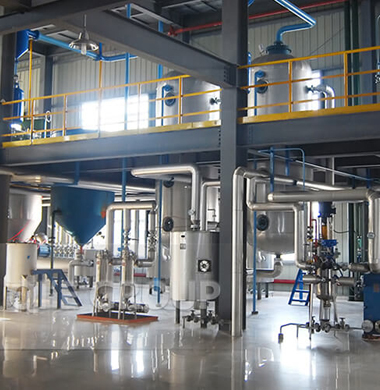
Palm Oil Refinery Plant
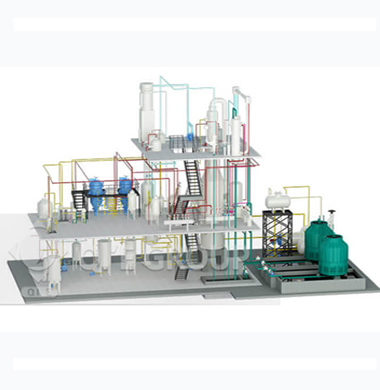
Palm Oil Fractionation Plant

Small Scale Palm Oil Processing Plant
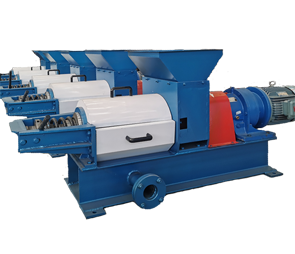
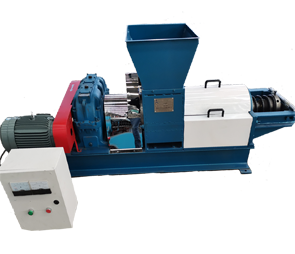
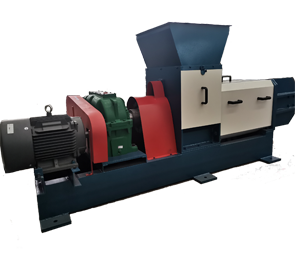
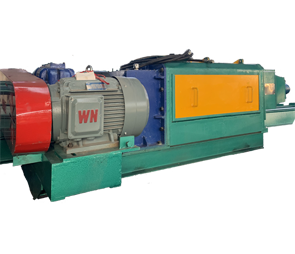
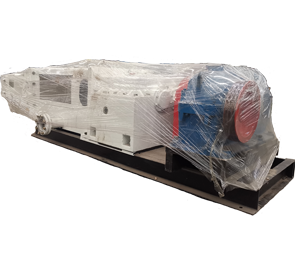
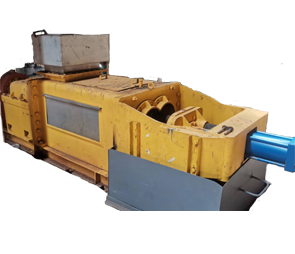
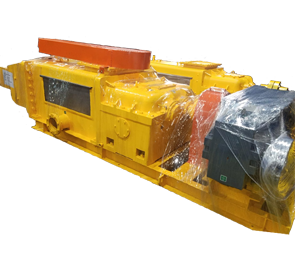
QIE Machinery offers a complete range of core equipment and related auxiliary equipment for palm oil solutions.
Whether you contact us by phone, email, or leave a message online, we will provide you with comprehensive and high-quality services.
Phone: 0086-13949113983
WhatsApp:
Email: qiea@oilpresses.org
Address: No.352 Lianhua Street, Hightech Industrial Development Zone, , Zhengzhou City,Henan Province, China