QIE Machinery
QIE Machinery
QIE Machinery
QIE Machinery

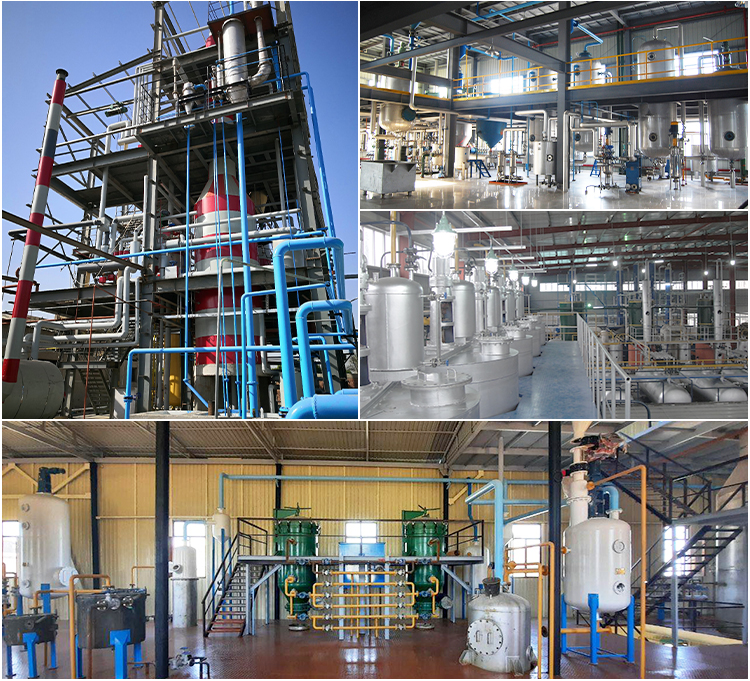
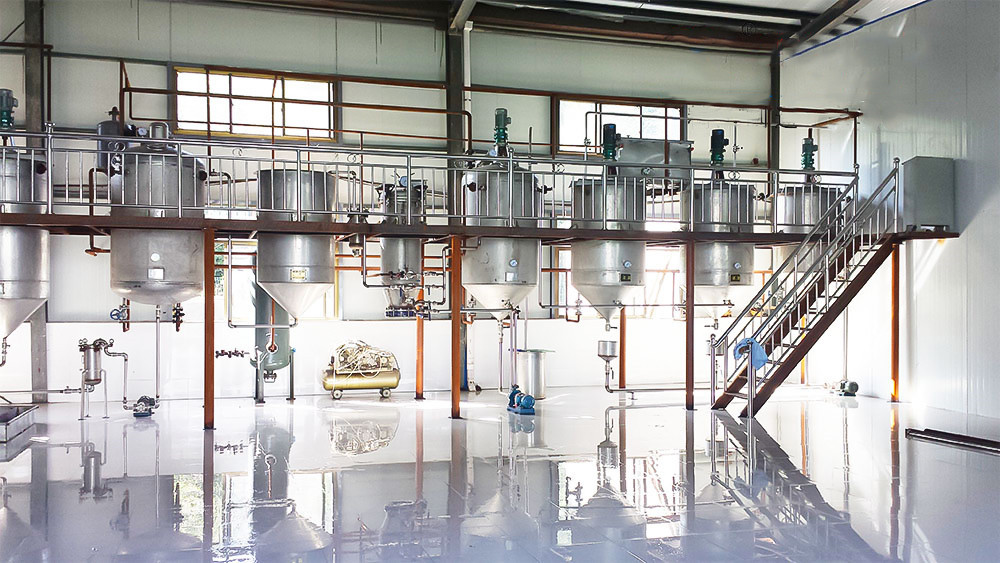
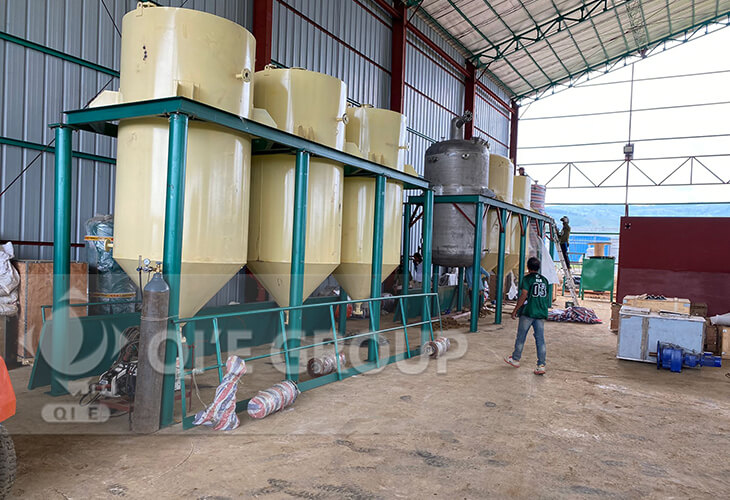
A 1-10 TPD (tons per day) batch-type palm oil refining line is a compact, small-scale processing system designed to convert crude palm oil (CPO) into high-quality, market-ready refined, bleached, and deodorized palm oil (RBDPO). This equipment configuration is particularly well-suited for small entrepreneurs, regional oil mills, and businesses with limited capital or floor space.
The batch-type process operates in discrete cycles, making it flexible for processing different oil types and easier to operate compared to continuous systems.👉(20TPD Palm Oil Refining Line Plant)
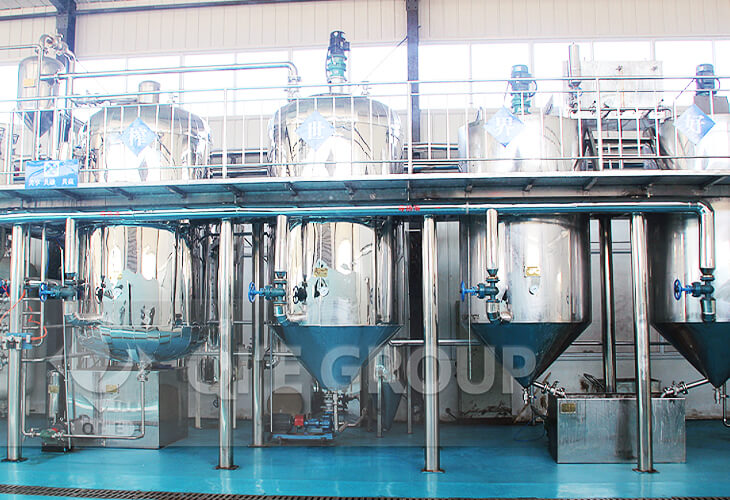
Batch-type palm oil refining is a sequential, multi-stage process designed to transform crude palm oil (CPO) into high-quality refined, bleached, and deodorized palm oil (RBDPO). The term “batch” means each refining stage is completed for a measured quantity of oil before moving to the next step, making it ideal for small-scale operations with capacities of 1-10 tons per day.
The entire batch process consists of four primary stages, each performed in a dedicated vessel.
The refining process follows a specific sequence of chemical and physical treatments:
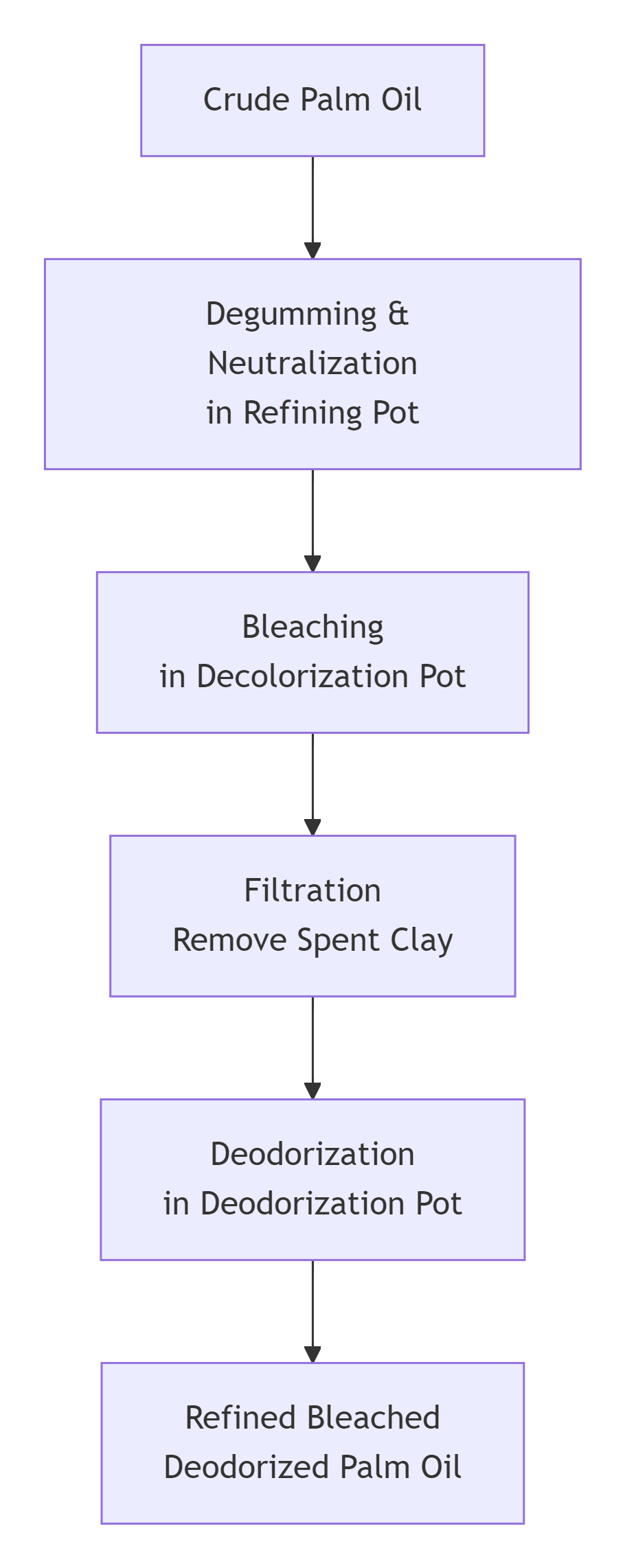
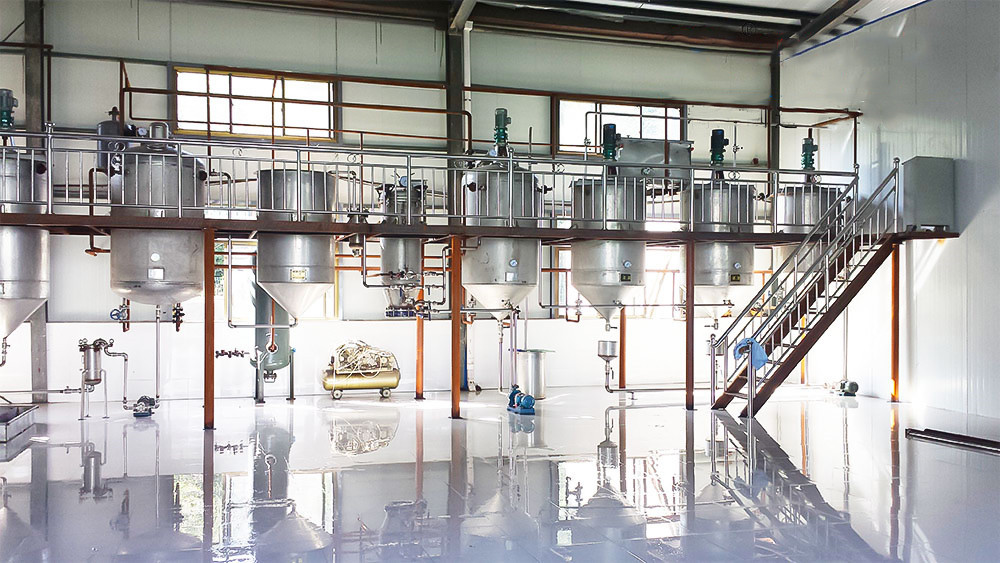
1. Degumming and Neutralization (Deacidification)
This first critical step removes impurities such as gums, phospholipids, and free fatty acids (FFA).
Degumming: The crude oil is heated in the refining pot, and phosphoric acid or hot water is added to coagulate and precipitate gummy substances, which are then separated.
Neutralization (Deacidification): An alkaline solution, typically caustic soda (NaOH), is introduced to neutralize the free fatty acids. This chemical reaction produces soapstock, which is separated from the oil. The oil may be washed with hot water to remove residual soap and alkali. This step effectively reduces the oil’s acidity.
2. Bleaching (Decolorization)
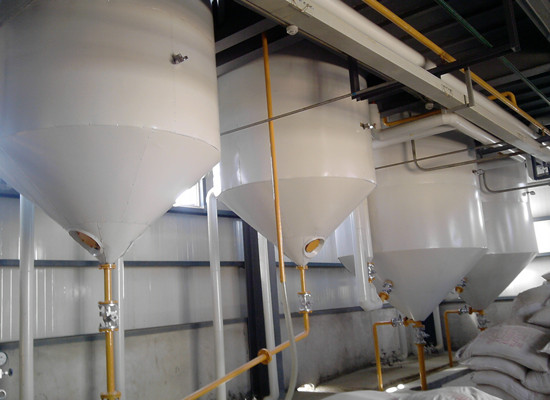
The goal of this stage is to remove color pigments and other impurities. The neutralized oil is transferred to a decolorization pot, where it is mixed with bleaching earth (activated clay) or activated carbon under vacuum conditions. These materials adsorb the pigments. The oil is then filtered to separate the spent bleaching earth, resulting in a clarified oil.
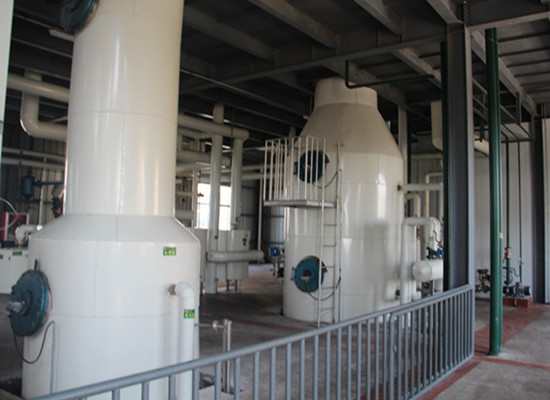
This is the final purification step, which removes unpleasant odors and flavors. The bleached oil is heated to a high temperature, typically 220-260°C, under a high vacuum. Live steam is injected into the oil, which strips away volatile compounds that cause odors. The oil is then cooled and filtered if necessary, resulting in a bland, stable, and high-quality refined oil.
Process Refining Methods
Batch-type plants primarily use chemical (alkali) refining. In this method, free fatty acids are chemically neutralized with caustic soda to form soapstock. An alternative, physical refining, removes FFA through steam distillation during deodorization and is more common in larger, continuous processes.
Optional Step: Fractionation
For specific applications, the refined palm oil can undergo fractionation. This process separates the oil into two fractions: palm olein (the liquid fraction, commonly used as cooking oil) and palm stearin (the solid fraction, used in margarine and shortening). This is an optional downstream process that adds versatility to the product line.👉(Setting Up a Palm Oil Refinery Plant)
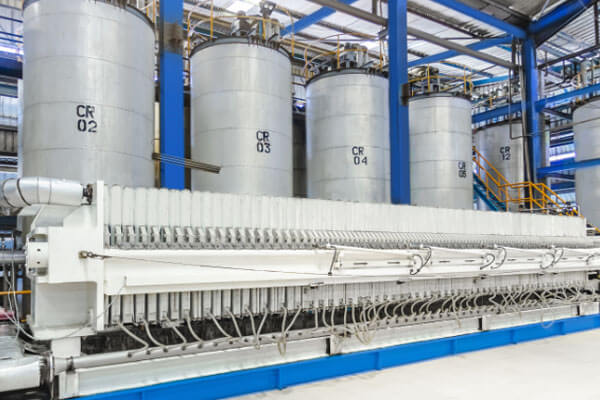
The batch refining process relies on a set of specialized equipment that corresponds directly to each stage:
| Process Stage | Equipment Name | Primary Function |
|---|---|---|
| Degumming & Neutralization | Refining Pot | Chemical reactions to remove gums and FFA |
| Bleaching | Decolorization Pot | Mixing oil with bleaching earth under vacuum |
| Deodorization | Deodorization Pot | High-temperature steam stripping to remove odors and volatile compounds |
| Filtration | Pressure Leaf Filter / Plate Filter | Clarification by removing spent bleaching earth after bleaching |
| Utilities | Heat Conduction Furnace, Steam Generator, Vacuum Pump | Provide heat, steam, and vacuum for the refining processes |
| Parameter | Value |
|---|---|
| Production Capacity | 1 ~ 10 T/D |
| Steam Consumption | ~700 kg/T oil |
| Electric Consumption | ~28 kWh/T oil |
| Soft Water Consumption | ~150 kg/T oil |
| Phosphoric Acid | 2-3 kg/T oil |
| Alkali (NaOH) | Acid value × 1-3 kg/T oil |
| Bleaching Earth | 3-5 kg/T oil |
| Refining Loss (Chemical) | Acid value × 1.2 |
| Refining Loss (Physical) | Acid value × 0.6 |
| Deodorization Loss | ≤ 0.5% |
| Waste Bleaching Earth Oil Content | ≤ 25-35% |
Low Capital Investment: Batch-type systems require significantly lower initial investment than continuous large-scale plants, making them accessible for small-scale operations.
Space Efficiency: The line typically requires a workshop area of about 50-80 m², making it suitable for limited spaces.
Versatility: The same equipment can process various crude oils – including palm, soybean, sunflower, and peanut oil – with minimal adjustments.
Operational Simplicity: Requires only 5-7 workers per shift and features straightforward operation with short training periods.
Two refining methods can be employed:
| Method | Process | Best Suited For | Advantages |
|---|---|---|---|
| Chemical Refining | Uses acid-base neutralization to remove FFA | Oils with lower acid value, varied quality | Consistent finished oil, less bleaching earth required |
| Physical Refining | Removes FFA during deodorization by steam stripping | Oils with high acid value, low gum content | Higher oil yield, no waste water discharge |
Q: What is the ideal production capacity for a batch-type refining line?
Batch-type refining lines are specifically designed for small to medium-scale operations. The processing capacity for this equipment typically ranges from 1 to 10 tons per day (TPD). If your production needs exceed this range, you would need to consider semi-continuous (10-50 TPD) or fully continuous (50+ TPD) systems.
Q: What are the utility consumption rates?
While exact figures depend on the specific equipment and crude oil quality, a general reference for a small batch line is:
Electricity: 45-75 kWh per ton of refined oil.
Steam/Thermal Demand: 190-320 kg of steam per ton of refined oil.
Q: What is the typical oil loss during refining?
Oil loss is primarily in the form of neutral oil trapped in the soapstock. With proper process tuning, this can often be kept in the range of 0.6% to 1.2% of the oil processed.
Q: How much space is required for installation?
The equipment line is compact. A typical 1-5 TPD setup requires only 30-50 square meters of workshop space.
Q: What is the maintenance and cleaning routine?
Regular maintenance is crucial for extending the equipment’s lifespan and ensuring efficient operation. Key practices include:
Keeping equipment surfaces clean to prevent wear.
Ensuring hydraulic oil is free of impurities and changed periodically.
Regularly inspecting easily damaged parts.
Operating the equipment according to the manufacturer’s instructions.
Promptly addressing any noise or malfunctions by contacting a professional.
Q: What is the estimated investment cost?
The cost is a primary factor for many buyers. The investment is significantly lower than for semi-continuous alternatives, often 30-50% cheaper. The final price depends on capacity, configuration, and level of automation. A key principle when selecting is to prioritize cost-effectiveness for this scale, choosing semi-automatic chemical refining equipment to keep the initial investment low and ensure a quick return.


Palm Oil Production Line
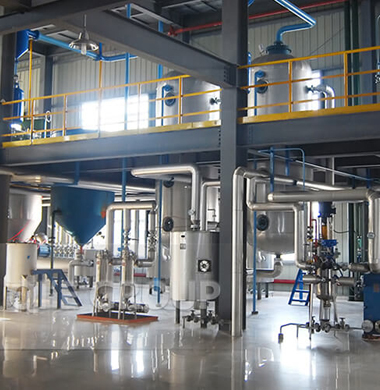
Palm Oil Refinery Plant
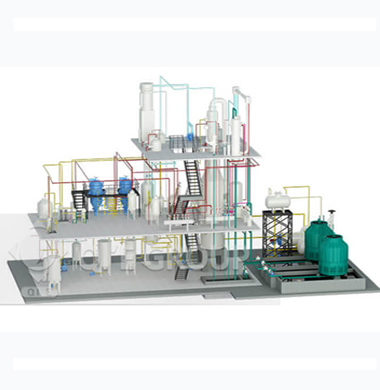
Palm Oil Fractionation Plant

Small Scale Palm Oil Processing Plant
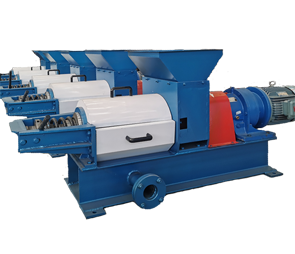
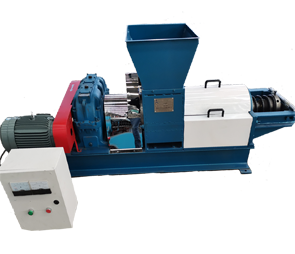
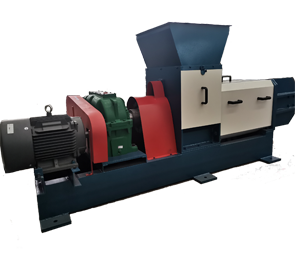
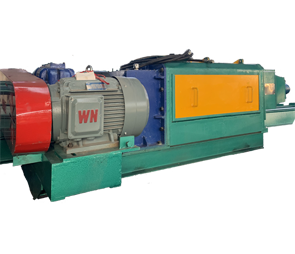
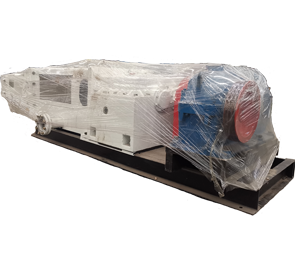
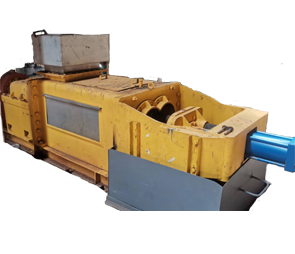
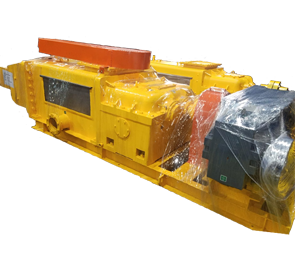
QIE Machinery offers a complete range of core equipment and related auxiliary equipment for palm oil solutions.
Whether you contact us by phone, email, or leave a message online, we will provide you with comprehensive and high-quality services.
Phone: 0086-13949113983
WhatsApp:
Email: qiea@oilpresses.org
Address: No.352 Lianhua Street, Hightech Industrial Development Zone, , Zhengzhou City,Henan Province, China