QIE Machinery
QIE Machinery
QIE Machinery
QIE Machinery

Palm oil is a vital agricultural and economic commodity in Ghana, playing a key role in the country’s agribusiness sector, local food supply, and smallholder livelihoods. It is one of the most widely used edible oils in Ghana, essential for domestic cooking, food processing, and emerging industrial applications like soap and biodiesel production.Therefore, it is very necessary to set up automatic palm oil processing plants in Ghana to produce high quality palm oil.
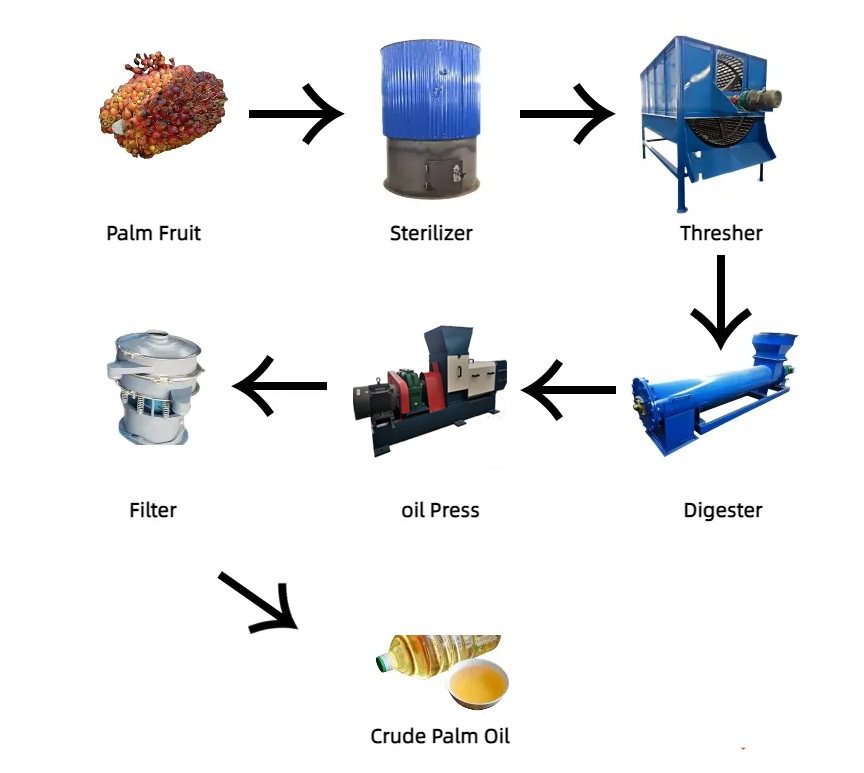
Small scale palm oil mill can be customized for 1 ton/hour, 2 ton/hour, 3 ton/hour, and 5 ton/hour input. 1-5TPH small palm oil processing mill is composed of vertical sterilization tank, drum thresher, crushing tank, double-screw palm oil press, oil clarification equipment and other equipment, with high efficiency and low energy consumption , high degree of automation and so on.
In the small-scale palm oil extraction process, a vertical palm fruit sterilizer is used. The vertical palm fruit sterilizer uses direct steam to treat palm fruits, which can reduce enzyme activity, prevent rancidity, and ensure good crude oil quality. At the same time, it is beneficial for the threshing process.
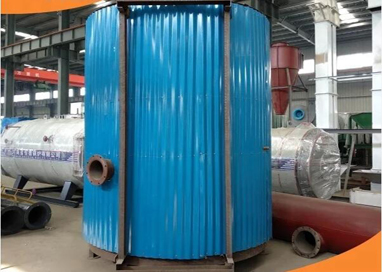 |
Sterilization Station In the small-scale palm oil extraction process, a vertical palm fruit sterilizer is used. The vertical palm fruit sterilizer uses direct steam to treat palm fruits, which can reduce enzyme activity, prevent rancidity, and ensure good crude oil quality. At the same time, it is beneficial for the threshing process. |
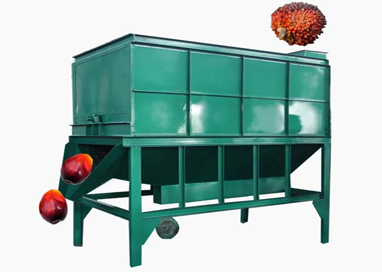 |
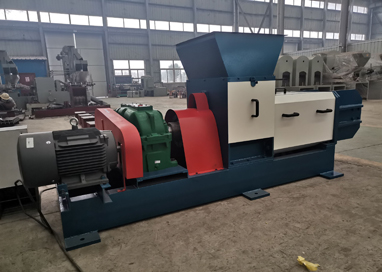
Threshing Station The palm fruit thresher is used to separate the empty fruit bunches and palm fruits. According to the different production scales of the palm oil mill plant, we can provide different types of palm fruit thresher to meet the production needs. |
 |
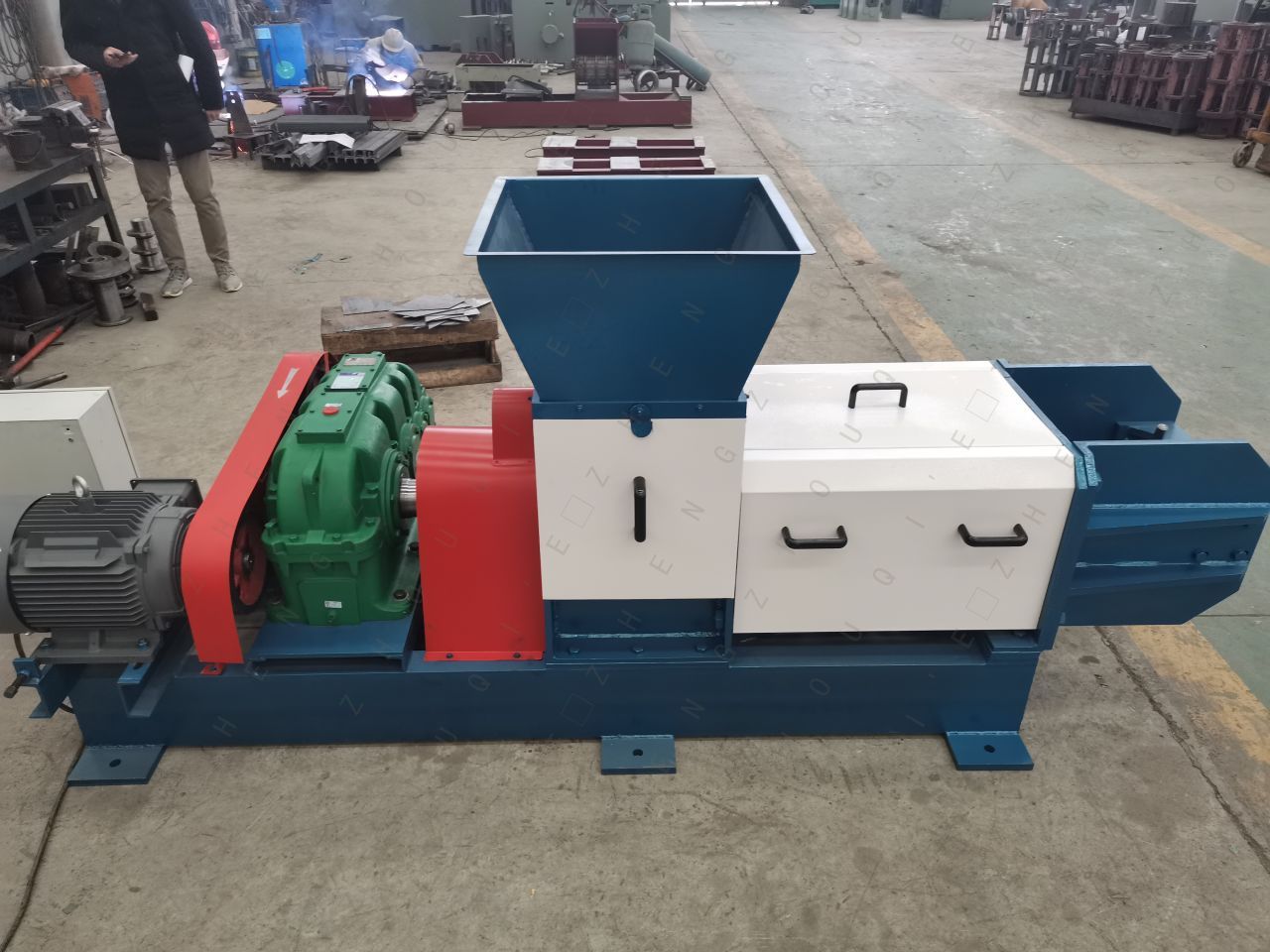
Digestion and Pressing station The pressing station in 1-5 tph new technology palm oil processing machines includes digester and oil presser. The sterilized palm fruits will be transported to the palm fruit digester. |
 |
Clarification Station A mixture of oil, water, and solids from the bunch fibers is conveyed from the palm oil digestion and pressing station to a clarification tank in the palm oil mill machinery. In the conventional process, separation of the oil from the remaining liquor is achieved by gravity-based settling tanks. |
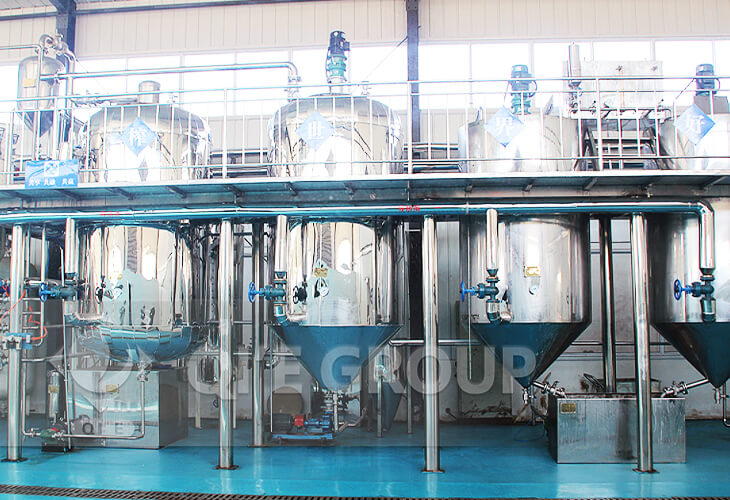
A small palm oil refinery plant is a facility that processes crude palm oil into refined, edible palm oil, suitable for various applications. These plants are designed for smaller-scale operations, often with a capacity ranging from 1 to 5 tons per day.
| Refining Capacity (TPD) | CIF Ghana Cost (USD) | Matching Press Mill Capacity (TPD) | Key Use Case for Ghana |
|---|---|---|---|
| 0.5 TPD | $8,000 – $12,000 | 1–2 TPD (small village mill) | Small batch refining; local retail (5L/10L jerrycans) |
| 1 TPD | $12,000 – $18,000 | 2–3 TPD | Most popular entry-level; steady branded oil production |
| 2 TPD | $18,000 – $25,000 | 3–5 TPD | Medium small-scale; supply to local supermarkets/restaurants |
| 5 TPD | $25,000 – $35,000 | 5+ TPD (commercial small mill) | Regional supply ; bulk branded sales |
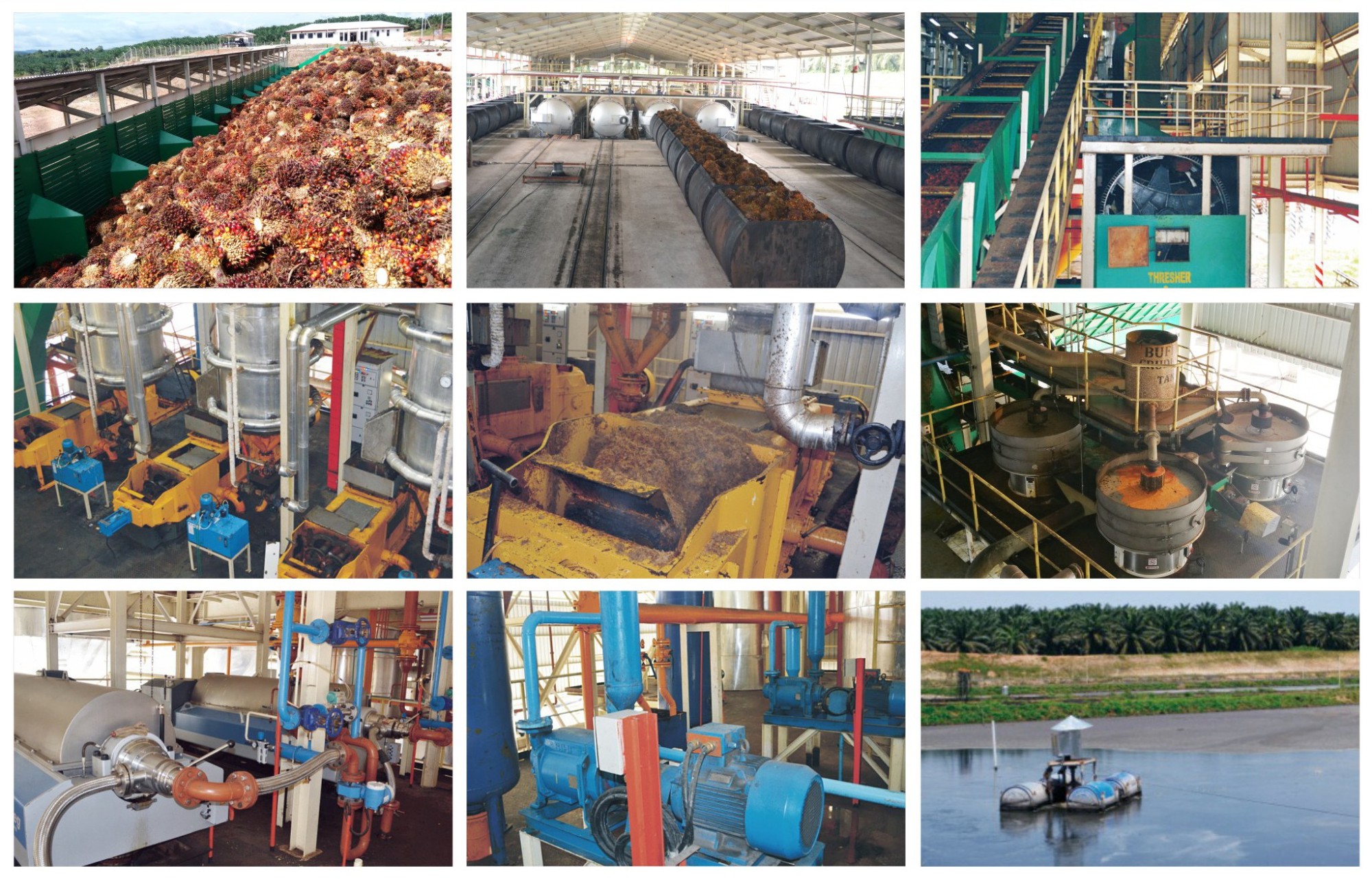
QIE Machinery can provide turnkey projects for large scale palm oil production lines with a production capacity of 5~120tph. We also can offer you a whole line of palm oil pretreatment equipment, palm oil extraction machines, and palm oil refinery machines, and build a palm oil turnkey project from A to Z for ghana.
| Process Step | Key Equipment |
|---|---|
| FFB Handling | Conveyors, weighbridges, FFB storage silos |
| Sterilization | Vertical/horizontal sterilizers (steam-heated) |
| Threshing | Mechanical threshers (de-bunchers) |
| Digestion | Horizontal digesters (with stirrers) |
| Pressing | Screw palm oil presses (single/double screw) |
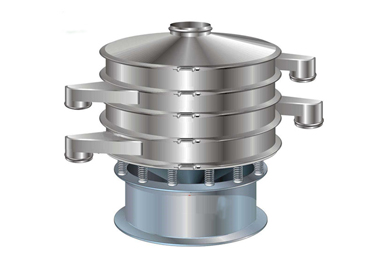
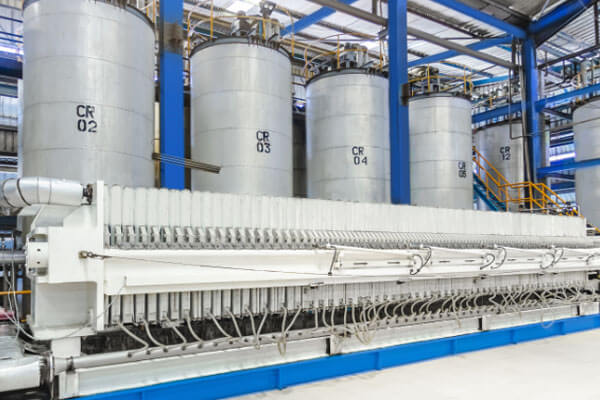
| Filtration | Vibrating screens, plate and frame filter presses |
| Storage | Stainless steel CPO/PKO storage tanks (insulated) |
| Kernel Processing | Kernel separators, dryers, kernel screw presses |
We can offer turnkey palm oil refinery plant solutions from plant layout design, machinery manufacturing, onsite debugging and installing. The production capacity ranges from 5 ton/d up to 1000 ton/day
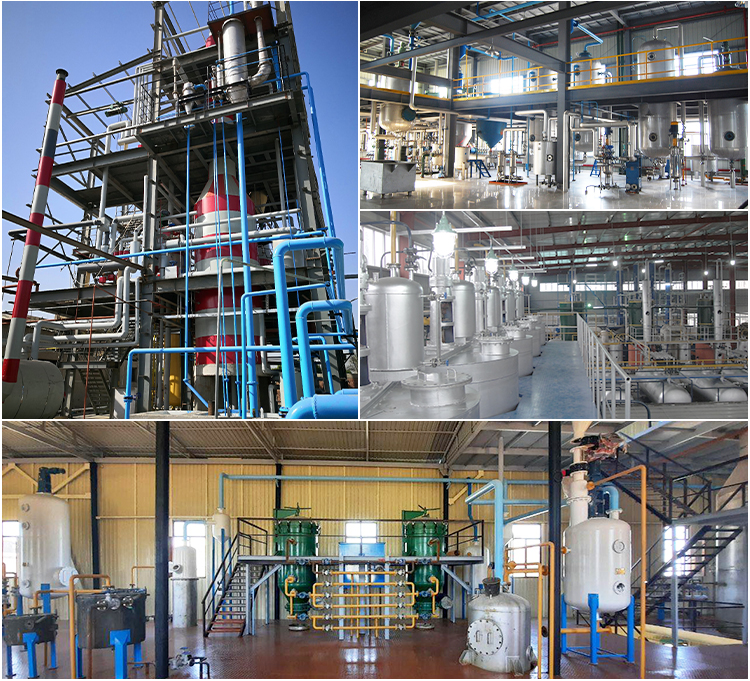
Degumming Process
The palm oil degumming process aims to remove the gum impurities in crude palm oil to make it suitable for further refinery processes. Water or acid is added to remove phospholipids and gums.
Deacidification Process
Palm oil deacidification is a process that has a great impact on palm oil quality. If there is a problem with the neutralization process, the following decoloration will be greatly affected. The free fatty acid in crude palm oil can affect the stability and relish of palm oil.
Bleaching Process
The palm oil bleaching process is to remove oil pigment, residual soap, and metal ions. The bleaching process can improve the oil color, relish, and increase the oxidation stability, thus providing a good condition for the deodorization process.
Deodorization Process
Steam distillation removes volatile components that cause odors. The palm oil deodorization section plays an important role in improving palm oil quality. The refined palm oil is nearly colorless and transparent in the liquid state and white in the solid state.
Dry palm oil fractionation plant is the most economical fractionation without adding any solvent. The oil in dissolved state is cooled slowly to a certain degree, passing through filtration to separate crystals and precipitate solid ester. Production Capacity:20-1000TPD
Samuel Avarra, President of Ghana palm oil development association, called on the government to strengthen planning and policy support for the development of the palm oil industry. Government in Ghana also paid much attention to palm oil processing plant and supplied some policy convenience for palm oil producers. So if you plan to set up palm oil mill plant in Ghana, you need to get familiar with local government policies, or you may get some subsidies and help.
What’s the price range for small-scale palm oil mill equipment (1–20 TPD) in Ghana?
| Capacity (TPD) | CIF Ghana Price (USD) | Key Equipment Included |
|---|---|---|
| 1–2 TPD (village mill) | $8,000 – $15,000 | Manual/semi-automatic sterilizer, thresher, single-screw press, clarification tank |
| 3–5 TPD (small commercial) | $15,000 – $30,000 | Semi-automatic continuous sterilizer, double-screw press, decanter centrifuge |
| 10–20 TPD (medium small) | $30,000 – $80,000 | Fully automatic line, palm kernel recovery, basic storage tanks |
What is the standard capacity range for palm oil processing plants in Ghana, and why is 1-120TPH the most popular?
The 1-120TPH range covers small-scale (1-10TPH), medium-scale (10-50TPH) and semi-large scale (50-120TPH) plants, which perfectly matches Ghana’s palm oil industry structure:
Small-scale: For local farmers/cooperatives with limited land and capital (Ghana’s smallholder palm cultivation accounts for ~60% of raw material supply).
Medium/large-scale: For commercial enterprises targeting domestic wholesale and regional export (ECOWAS market).
Larger plants (>120TPH) require massive raw material stock (fresh fruit bunches, FFB) and high upfront investment, which is less feasible for most Ghanaian investors due to FFB supply chain limitations in most regions.
What raw materials are processed in these plants, and are they adapted to Ghana’s local palm varieties?
The core raw material is Fresh Fruit Bunches (FFB) from Ghana’s dominant palm variety: Tenera (DxP), the high-yield hybrid widely cultivated in the Ashanti, Western, and Central Regions. All 1-120TPH equipment is calibrated for Tenera FFB (moisture content ~60-70%, oil content ~20-25% in mesocarp) to maximize oil extraction rate (OER).
Some plants can also process palm kernels (a byproduct) for palm kernel oil (PKO) with additional kernel processing modules.
Can the equipment be customized for on-site conditions in Ghana (e.g., remote areas, limited space)?
Yes. Key customizations for Ghana’s local conditions:
Space-saving design: Compact skid-mounted equipment for small land plots (common in rural Ghana);
Mobile/semi-mobile options: For 1-10TPH plants (suitable for remote regions with scattered FFB supply—no fixed construction required);
Dust-proof and rain-proof enclosures: For Ghana’s high rainfall and dusty tropical environment (protects electrical components and equipment).
Where to source Fresh Fruit Bunches (FFB) for the plant in Ghana, and what is the typical FFB supply price?
FFB is mainly sourced from Ghana’s major palm-growing regions:
Western Region (Sefwi, Bibiani): ~40% of national FFB production;
Ashanti Region (Obuasi, Bekwai): ~25%;
Central Region (Ekumfi, Mfantseman): ~20%;
Volta Region (Keta, Hohoe): ~15%.
Can the plant produce refined palm oil (RBD PO) instead of crude palm oil (CPO), and what is the additional investment?
Yes. A refining module can be added to process CPO into Refined, Bleached, and Deodorized (RBD) palm oil (edible cooking oil), which has a 30-40% higher market price ($1,100-$1,300/MT in Ghana).
Additional investment for refining module (1-120TPH matching capacity):
1-10TPH: $30,000 – $80,000 (semi-continuous refining)
10-50TPH: $80,000 – $250,000 (continuous refining)
50-120TPH: $250,000 – $700,000 (fully auto refining with deodorization)


Palm Oil Production Line
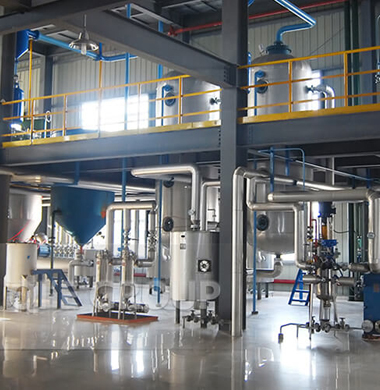
Palm Oil Refinery Plant
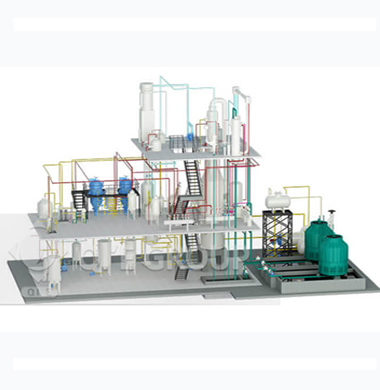
Palm Oil Fractionation Plant

Small Scale Palm Oil Processing Plant
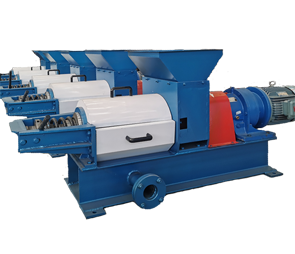
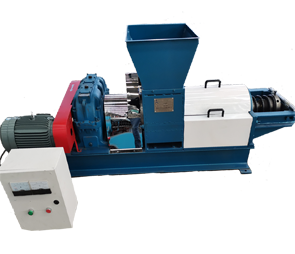
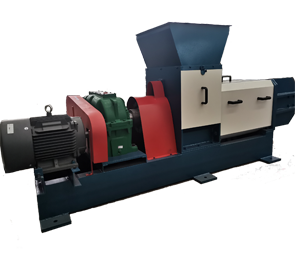
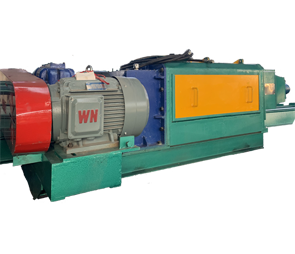
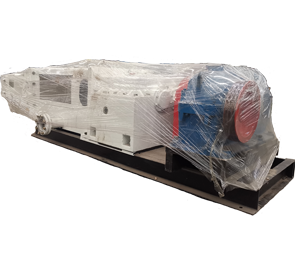
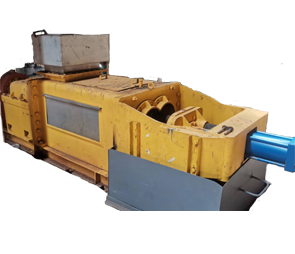
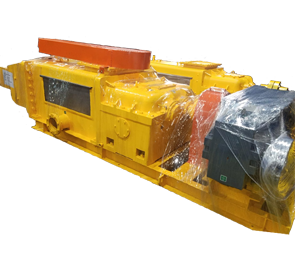
QIE Machinery offers a complete range of core equipment and related auxiliary equipment for palm oil solutions.
Whether you contact us by phone, email, or leave a message online, we will provide you with comprehensive and high-quality services.
Phone: 0086-13949113983
WhatsApp:
Email: qiea@oilpresses.org
Address: No.352 Lianhua Street, Hightech Industrial Development Zone, , Zhengzhou City,Henan Province, China