QIE Machinery
QIE Machinery
QIE Machinery
QIE Machinery

Palm oil is Ghana’s staple cooking oil and a critical industrial raw material, second only to cocoa as a key tree cropFAO. It dominates household cooking, food manufacturing (Unilever, Nestlé, Wilmar), soap, cosmetics, and biodiesel sectors. Despite favorable growing conditions, Ghana faces a persistent supply-demand gap—driven by low smallholder productivity, outdated processing, and limited modern refining capacity.
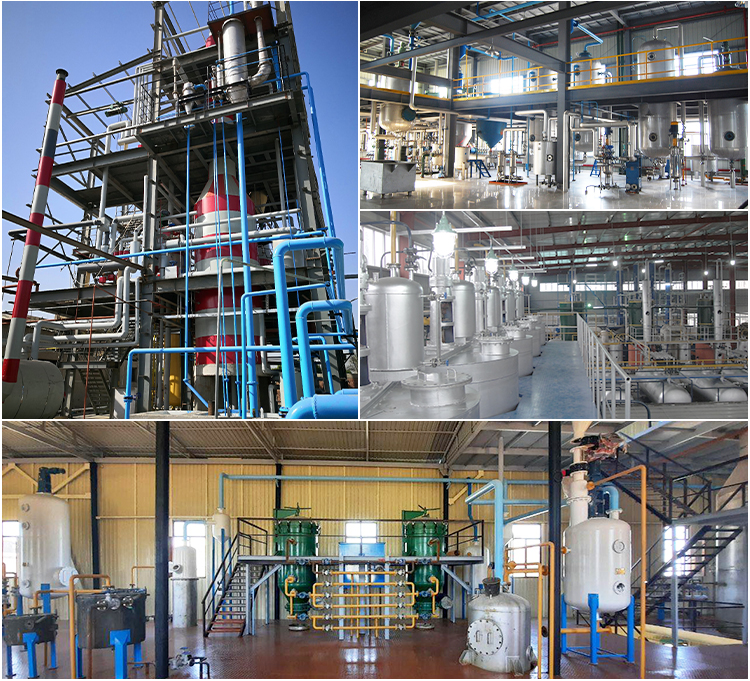
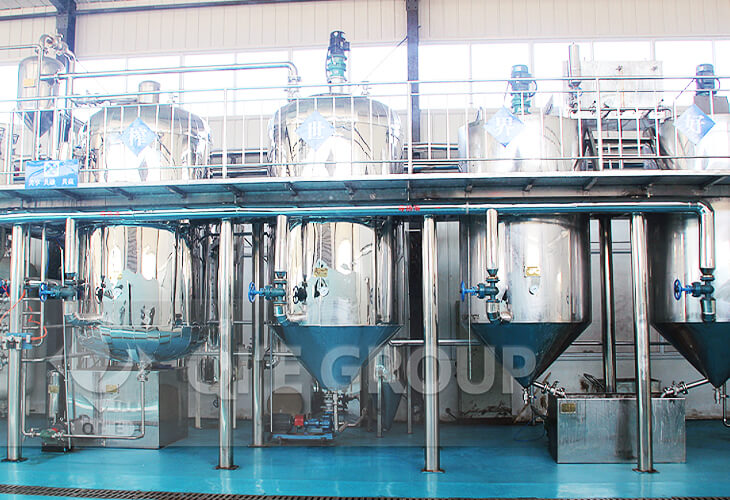
Palm oil refining machine in ghana can remove phospholipids, FFA, pigment, gums, waxes, off-flavor and other impurities in the crude palm oil. Our palm oil refining machine is widely used in cooking oil refining plant,such as peanut oil refining,soybean oil refining,cottonseed oil refining,rice bran oil refining and palm kernel oil refining ,etc. Palm oil refining refers to conversion from crude palm oil to refined oil removing hydrolysis and oxidation products, color and flavor. We adopts scientific designed small scale crude palm oil refining machine to process crude palm oil to obtain high quality refined palm oil. The main process of palm oil refining is degumming process, deacidification process, decolorization process, bleaching process, and deodorization process.
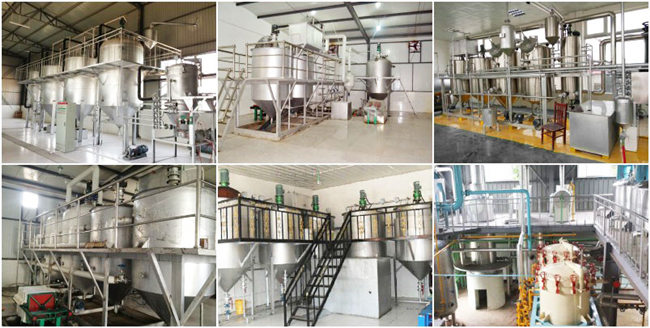
To stand out in this fiercely competitive market, possessing exceptional palm oil refining technology becomes paramount. The process of palm oil refining is far from simple; it involves a series of critical steps. From deacidification and decolorization to impurity removal, each step significantly influences the final product’s quality.(Read More: Palm Oil Mill Plant Production Line >>)
The refined palm oil obtained from this process is now suitable for a wide range of applications, including food, cosmetics, and biofuels. It boasts improved stability, extended shelf life, enhanced sensory attributes, and compliance with safety requirements.
Crude palm oil can be processed by either physical refining (distillative neutralization, steam stripping) or chemical refining (alkaline refining) to produce RBDPO and NBDPO. RBDPO refers to refined, bleached and deodourised palm oil, while NBDPO refiers to neutralised, bleached and deodourised palm oil.
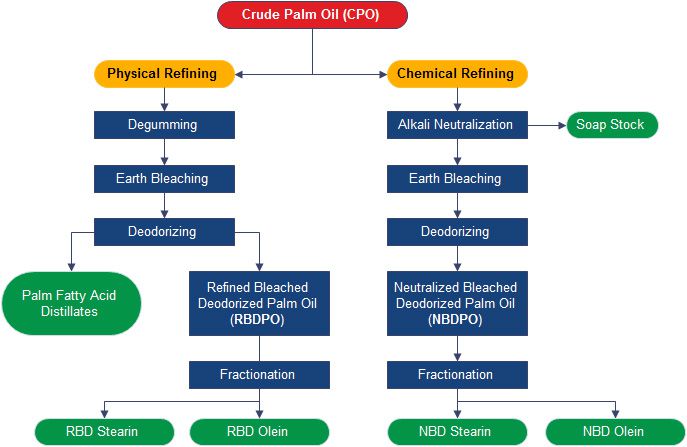
Palm oil physical refining involves removing impurities, moisture, and volatiles through physical processes while preserving natural nutrients.
The physical refining for palm oil lies in preserving natural nutrients without the need for chemical additives. However, it may not entirely remove acidity and pigments.
Chemical refining for plam oil utilizes acid-base neutralization and bleaching to enhance oil quality and stability.
Chemical refining can effectively remove acidity and pigments, but it may lead to some loss of nutrients and requires the use of chemical auxiliaries.
Palm Oil Chemical Refining Process
During the crude oil chemical refining process, the FFA will be removed and the neutralized crude oil and soap stock will be produced. And the soap stock will be separated from oil by using of high-speed separator. And the color pigments and the metal ions will be removed from the neutralized oil. If the crude oil contains high carotene, high FFA (more than 5% ) and relative low phosphatides, it will be great to have the chemical refining process to reduce the refining losses and the operation costs.
The palm oil refining machine can be divided into three main types: batch type palm oil refining machine, semi-continuous palm oil refining machine and continuous palm oil refining machine.
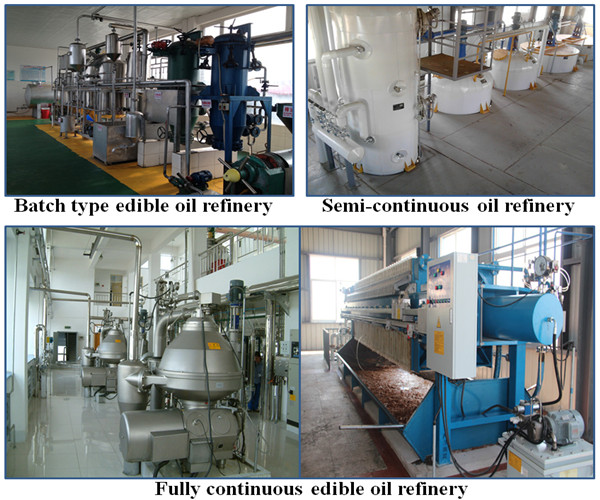
Batch type palm oil refining machine
Batch type palm oil refining machine is more suitable for small sized cooking oil refining line since it has many outstanding advantages. The whole palm oil refining equipment takes less areas, the investment cost is relatively lower, and it can refine almost all the crude edible oils. The main refining process of batch type palm oil refinery plant include degumming, neutralizing, decolorizing and deodorizing. The capacity of batch type palm oil refining machine is 1TPD to 30TPD.
Semi-continuous palm oil refining machine
Semi-continuous palm oil refining machine can fit small scale and medium scale edible oil refinery plant. It is efficient and can be designed based on customer’s requests. The common daily capacity of semi-continuous palm oil refining machine is from 20 TPD to 50 TPD. It also can process a variety of crude oils, including crude plant oils and animal oils.
Continuous palm oil refining machine
Continuous palm oil refining machine is designed for large scale palm oil refinery plant. The daily capacity of continuous type palm oil refining machine is generally over 30TPD. It carries out continuous and completely automatic refining process for highest efficiency. It has high requirements on all the basic conditions for an edible oil refinery plant.
Heat Conduction Furnace: 1 set Offer enough thermo for the refining sections.
Steam Generator: 1 set Produce steam for the workshop
Refining Pot: 2 sets Remove the gum, phosphoric acid etc,
Decolorizing Pot: 1 set Remove the color from neutralized oil
Deodorizing Pot: 1 set Remove the solvent, smell, water from decolorized oil
Other Auxiliary Equipments: Hot water Tank, Bleaching earth Tank, Air compressor, pumps, filters, Valves, Electricity Control Cabinet, etc.
Energy Efficiency: Many machines are designed to reduce energy consumption by over 30% while maintaining high production rates.
Advanced Technology: Features like intelligent temperature control and heat recovery systems enhance the refining process.
Customization: Manufacturers often provide tailored solutions based on specific production needs and capacities, ranging from 1 to 1500 tons per day.
In Ghana, the oil palm has assumed increasing importance as a non-traditional export commodity. An estimated total land area of 305, 758 hectares is under oil palm cultivation in Ghana. As well as the NPP government supported the expansion of oil palm cultivation and palm oil processing as one of four Presidential Special Initiatives (PSI), to meet the large unmet demand in Ghana and the large markets in the West African region. So the prospects for the palm oil production in Ghana great.(You may also be interested in: 10TPD Palm Oil Refinery Plant Machine in Nigeria >>)
What is a crude palm oil refining machine, and what does it do?
A crude palm oil refining machine is a set of equipment that processes crude palm oil (CPO) (extracted from palm fruit bunches) to remove impurities and unwanted components—including free fatty acids (FFA), moisture, pigments, odor, gums, and trace metals. The end product is refined, bleached, and deodorized (RBD) palm oil, which meets food grade standards for cooking, baking, and industrial use (e.g., in Ghana’s food processing sector).
What is the standard capacity of CPO refining machines for Ghana?
The 1–20 TPD (tons per day) small-to-medium scale is the most popular in Ghana, matching the output of local smallholder palm fruit mills (the backbone of Ghana’s palm oil industry). Larger capacities (20–50 TPD, 50+ TPD) are used by commercial palm plantations and industrial food processors (e.g., in the Western Region, Ghana’s palm oil hub).
Do CPO refining machines need to meet Ghanaian regulatory standards?
Yes. All food processing equipment (including CPO refining machines) must comply with:
Ghana Standards Authority (GSA): Food grade material requirements (e.g., 304/316 stainless steel for oil-contacting parts) and product quality for RBD palm oil (e.g., FFA ≤0.1%, moisture ≤0.05%).
Environmental Protection Agency (EPA) Ghana: No harmful emissions/waste (physical refining is preferred for easier compliance, as it avoids chemical waste).
Food and Drugs Authority (FDA) Ghana: Certification for food processing equipment to ensure the final RBD oil is safe for human consumption.
What raw materials/consumables do CPO refining machines need in Ghana?
For the most common physical refining line (1–20 TPD), the key consumables (easily sourced in Ghana or via local importers) are:
Bleaching earth (activated clay): Removes pigments (e.g., carotene) and trace impurities—sourced from local suppliers in Accra/Takoradi or imported from Nigeria/Mali.
Steam/heating fuel: Most machines use diesel, LPG, or biomass (palm kernel shell, bagasse—local, low-cost for Ghanaian palm mills) for heat/steam; small-scale machines can use electric heating (220V/380V, Ghana’s standard power supply).
Filter cloths: For solid-liquid separation (bleaching/deodorization steps)—local fabric suppliers or imported.
Anti-foaming agent (small quantity): For deodorization under vacuum (sourced from chemical suppliers in Accra).
How to ship CPO refining machines to Ghana, and which ports are used?
Most machines are shipped via sea freight (the most cost-effective for heavy equipment) to Ghana’s two main seaports:
Tema Port: Accra (60% of imports—closer to Accra/Kumasi, the main industrial hubs).
Takoradi Port: Western Region (Ghana’s palm oil hub—ideal for machines installed in Western Region mills, shorter land transport).


Palm Oil Production Line
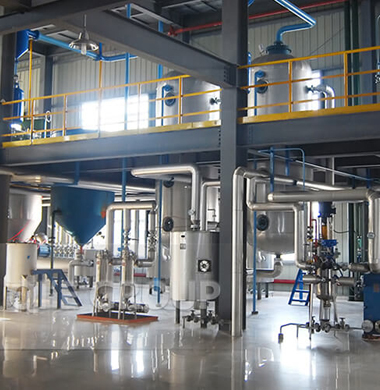
Palm Oil Refinery Plant
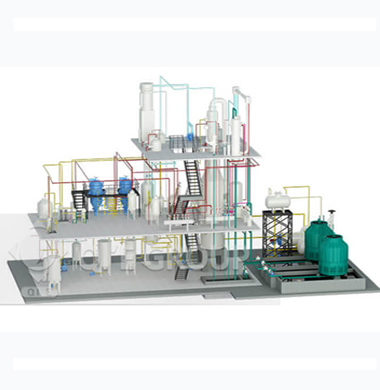
Palm Oil Fractionation Plant

Small Scale Palm Oil Processing Plant
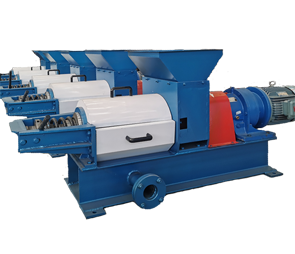
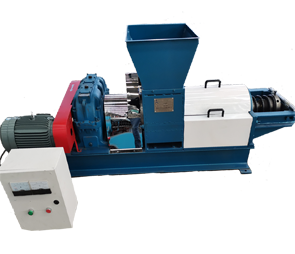
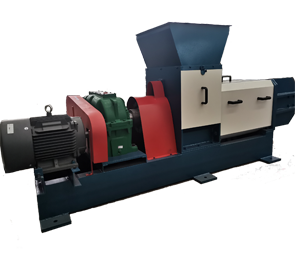
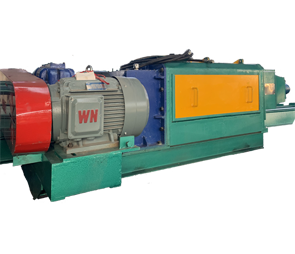
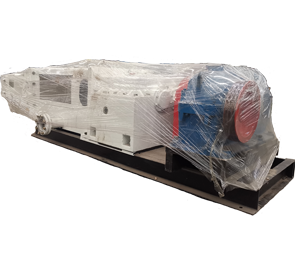
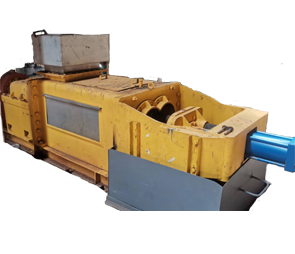
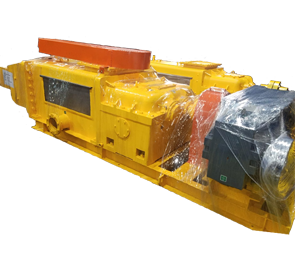
QIE Machinery offers a complete range of core equipment and related auxiliary equipment for palm oil solutions.
Whether you contact us by phone, email, or leave a message online, we will provide you with comprehensive and high-quality services.
Phone: 0086-13949113983
WhatsApp:
Email: qiea@oilpresses.org
Address: No.352 Lianhua Street, Hightech Industrial Development Zone, , Zhengzhou City,Henan Province, China