QIE Machinery
QIE Machinery
QIE Machinery
QIE Machinery

Palm oil bleaching process is a critical stage in the palm oil refining sequence, primarily used to remove pigments (like carotenoids and chlorophyll), trace metals, and oxidation products. This transformation changes the crude palm oil from a deep red/orange to a light yellow color.
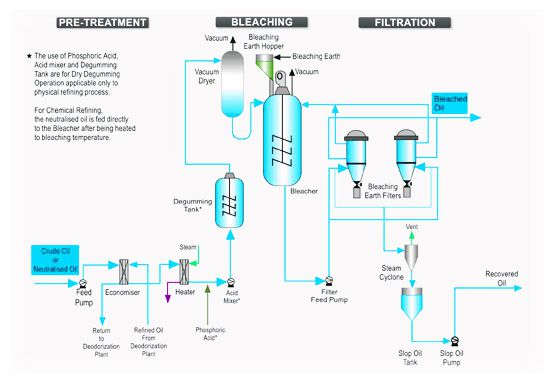
Pre-Treatment (Degumming): Before bleaching, crude palm oil is degummed—usually with phosphoric acid—to remove phospholipids and trace metals that interfere with the bleaching agent.
Addition of Bleaching Agent: A bleaching agent, most commonly acid-activated bleaching earth (bentonite or fuller’s earth), is added to the oil. Activated carbon may also be added to help remove darker pigments like chlorophyll.
Mixing and Reaction: The oil and clay mixture is heated to 90–125°C and agitated for 15–45 minutes. This occurs under a vacuum (50–125 mmHg) to prevent oil oxidation and improve the efficiency of the clay.
Filtration: The mixture is passed through a filtration system (such as vertical leaf filters or plate presses) to separate the clean oil from the “spent” clay.
Cooling and Testing: The bleached oil is cooled and tested for quality markers like color and residual phosphorus before moving to the final deodorization stage.
The effectiveness of the palm oil bleaching process depends on several key factors:


Palm Oil Production Line
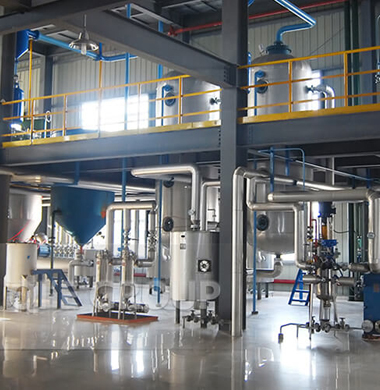
Palm Oil Refinery Plant
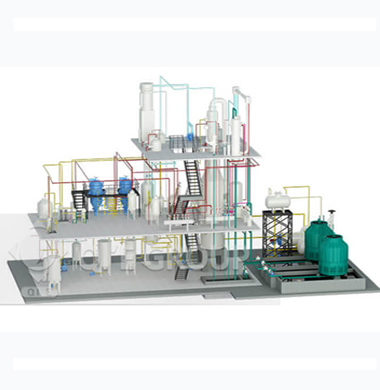
Palm Oil Fractionation Plant

Small Scale Palm Oil Processing Plant
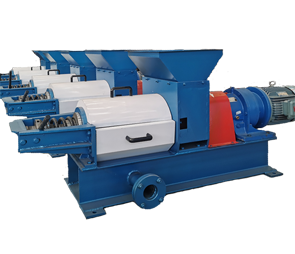
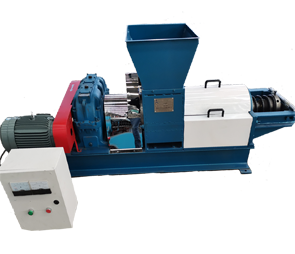
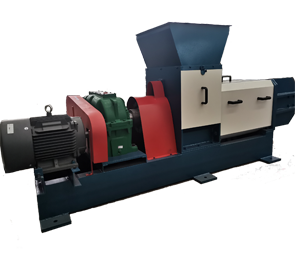
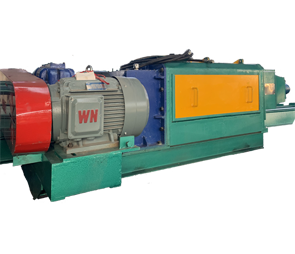
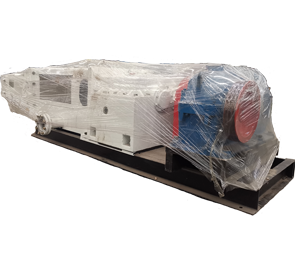
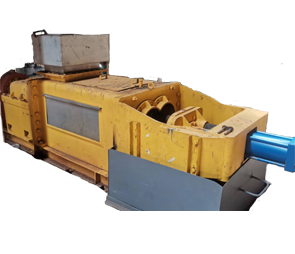
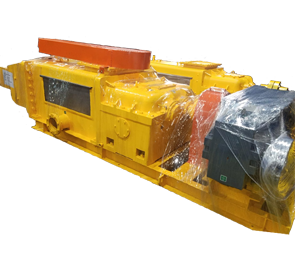
QIE Machinery offers a complete range of core equipment and related auxiliary equipment for palm oil solutions.
Whether you contact us by phone, email, or leave a message online, we will provide you with comprehensive and high-quality services.
Phone: 0086-13949113983
WhatsApp:
Email: qiea@oilpresses.org
Address: No.352 Lianhua Street, Hightech Industrial Development Zone, , Zhengzhou City,Henan Province, China