QIE Machinery
QIE Machinery
QIE Machinery
QIE Machinery

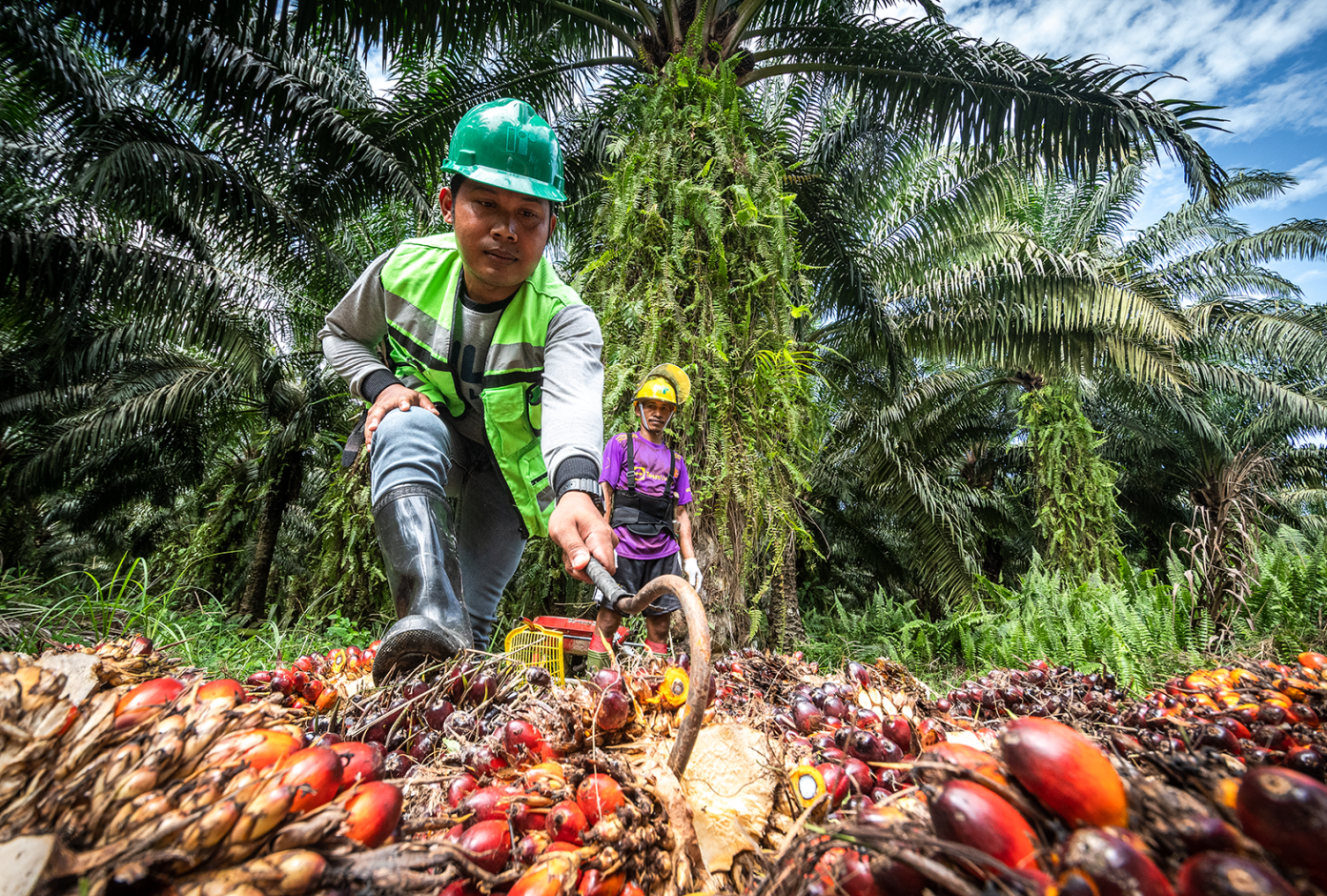
A 1–5 tons per hour (tph) palm oil processing plant is a specialized, small-scale industrial facility designed to bridge the gap between manual extraction and massive industrial mills. These plants utilize advanced, mature extraction technology to automate the conversion of Fresh Fruit Bunches (FFB) into high-quality crude palm oil (CPO) with high efficiency and low investment costs. Ideal for small plantations, local cooperatives, or rural enterprises, these integrated systems typically include specialized stations for sterilization, threshing, digestion, pressing, and clarification. By employing modern double-screw press technology and vacuum drying, they ensure maximum oil yield and superior oil quality suitable for competitive markets while maintaining a small land footprint and simple operational requirements.
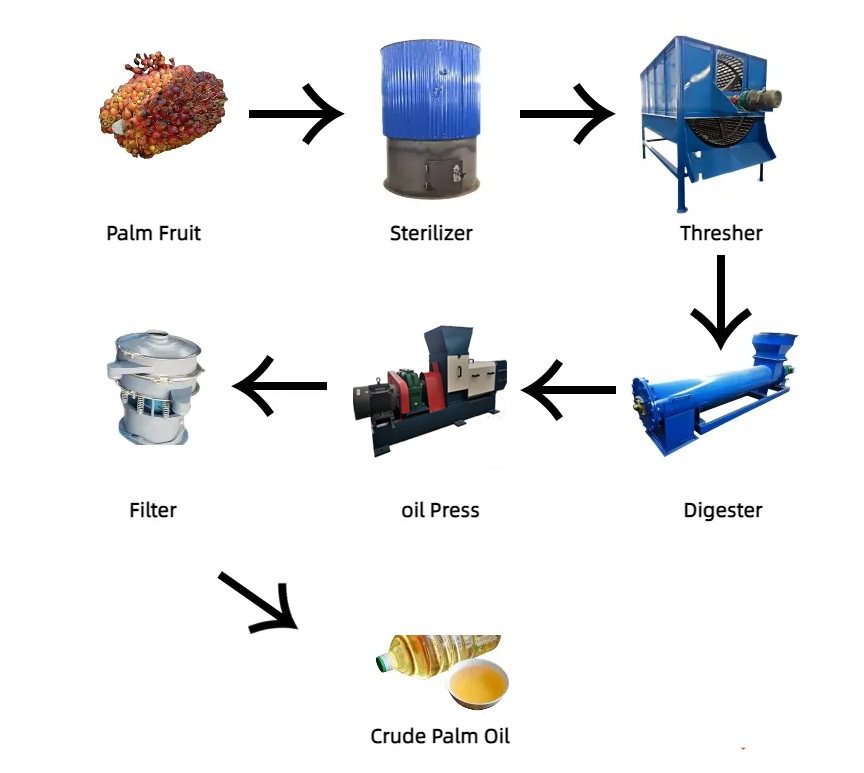
place palm fruit string in horizontal killing enzyme tank or vertical sterilizer for 90-120 minutes. The purpose of sterilizer is to destroy lipase to avoid the increase of free fatty acid content in oil; high temperature sterillizer can make the fruit soft and facilitate mechanical granulation; pretreatment of pericarp to prepare for subsequent processing; preconditioning of fruit core to reduce kernel damage.
Sterilizer process: after palm fruit enters the sterilizer, closes the sterilizer to close the door quickly, opens the exhaust valve below the sterilizer, and then passes into the saturated steam of pressure 3bar (temperature about 145 ºC). After the cold air in the tank is basically discharged, close the exhaust valve and enter the cooking and sterilizer stage. The sterilizer time is generally 90 minutes. After sterilizer, close the intake valve, open the valve leading to the silencer, and drain the water and steam from the tank before opening the door of the sterilizer.
Thresher Section
The purpose of threshing is to separate the oil palm fruit from the fruit string by strong vibration. The separated oil palm fruit is then fed to the cooking tank by the conveyor. The empty fruit string is discharged from the other end of the drum to the storage yard, or transported out of the plant for recycling of palm garden cover, or incineration on site as fertilizer to farmland.
Digester Section
The purpose of mashing and cooking is to tear the epidermis of the fruit, separate the pulp from the core and mash the pulp tissue, and heat it to soften the pulp and destroy the cellular structure of the pulp, which is beneficial to the precipitation of oil from the pulp tissue.
There is a feeder entrance on the upper part of the digester and an outlet port in the lower part. There is a central shaft with many axial batting rods in the digester, and there are many liner plates in the inner wall of the digester. The fruit particles mash the pulp under the action of stirring the baton and the collision of the liner. Crushing cooking equipment is a cylindrical tank with heating jacket. Indirect steam is inserted into the jacket for heating, and there is a direct steam nozzle in the tank to adjust moisture and temperature. After heating for 1 h, the temperature of the whole billet can reach about 90 ºC-95 ºC. The purpose of heating is to destroy the emulsification state of formed by oil and water in fruit tissue, to reduce the viscosity of oil, and to facilitate the flow and precipitation of oil.
Press Section
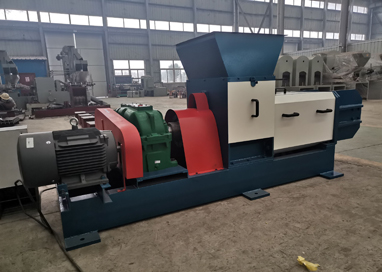
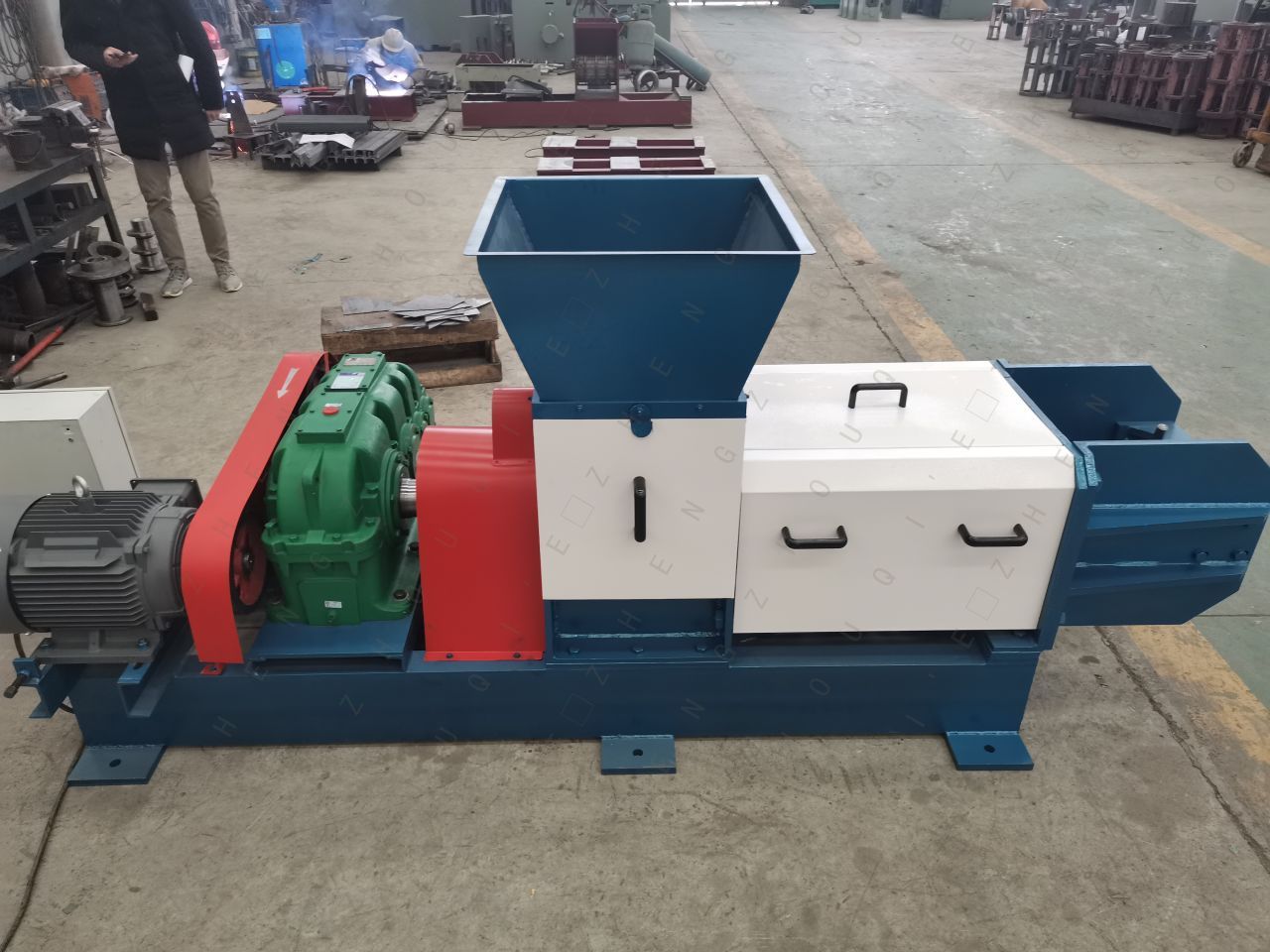
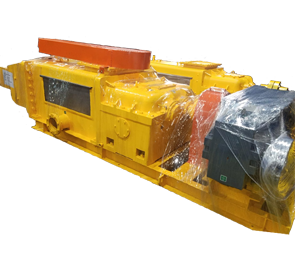
After the above steps, palm fruit is sent to spiral press, oil brown fruit is divided into: oil, water, solid impurity mixture and cake (fiber and core). The continuous screw press is adopted. It has a horizontal box with holes, an 8-character cross-shaped box, with two screws in it, and a cake head at the slag discharge port of the box body. It can control the pressure to ensure that the residual oil in the cake is minimized, and it can also adjust the crushing rate of the fruit core to a reasonable range. Under the action of spiral pressure, the fried cake precipitated from the pulp tissue was extruded from the machine head, which contained the kernel (unruptured brown kernel oil), and the liquid part flowed out from the lower mouth. After filtration, it was sent to the butterfly centrifuge to obtain hairy palm oil. After pressing, the oil palm fruit is divided into two parts: the mixture of oil, water and solid impurities; the oil yield of fiber and kernel is 20% of crude palm oil and 2% of hairy palm kernel oil according to the fresh fruit of palm. The parameters of crude palm oil: orange color, semi-liquid oil, surface density (50 ºC): 0.8896 ≤ 0.8910, saponification value: (mgkoh/g oil) 190 × 202, iodine value (gz2/100g).(Related post: 1-5 Tons/Hour Palm Oil Production Line in Nigeria>>)
Crude oil Filter Section
This step is to get purer palm oil. The crude oil generally contains 66% oil, 24% water and 10% non-oil solid. The oil is washed by precipitation filtration and the fiber is separated from the oil. Then continuous precipitation clarification can be carried out to obtain oil and sediment. After centrifuge separation, the oil enters the vacuum to dry. Keep after drying. The precipitates are clarified twice, the oil precipitates are filtered, the contaminated oil is separated, the oil is settled twice, the dirty oil mixture is clarified and separated, and the skimmed oil is secondary settled. the sewage pump is treated with the sewage treatment tank.
On the one hand, the demand of palm oil is increasing continuously year by year, and many countries encourage to invest the palm oil production business, especially in Africa. On the other side, the scale and machine of large scale palm oil processing plant in Malaysia and Indonesia are not suitable for the market in Africa. So QIE Group engineers developed small scale palm oil processing plant.
At present, it turns out that our engineers’ research direction is correct. small scale palm oil processing plant is in great needs in different countries, especially in Africa. It is affordable for most Africa investors to set up a small scale palm oil mill plant.
Palm Oil Pressing Machine Main Feature:
1. Our company adopts hydraulic segmented discharge in palm fruit unloading, cleaning, storage platform;
2. Palm fruit oil press machine adopts double helix hydraulic continuous discharging, greatly improving the production efficiency;
3. The use of diesel generator and steam turbine generator is more environmental protection and energy saving, electricity power for production and life;
4. Our water treatment system, through sedimentation, filtration, dosing process, ensure the quality of the water, also ensure the quality of palm oil;
5. Adopting the remote substation technology, more energy efficient, improve the production efficiency.
How much does a 1–5 tph plant cost?
A complete processing line typically ranges from $50,000 to $260,000, depending on automation levels and specific capacity. Simple, manual-heavy setups can start as low as $20,000, while fully automated 5 tph systems with advanced clarification can exceed $100,000.
What are the hidden costs of setting up a mill?
Beyond machinery, investors must budget for site preparation (land leveling), factory building construction, waste treatment systems, and utility connections for water and electricity.
How much land is needed for the factory?
A standard workshop for a small processing line typically requires an area of approximately 10m x 6m x 6m to 15m x 8m x 7m.
How many hectares of plantation are needed to support a 5 tph mill?
To maintain a steady supply for a 5 tph plant, you generally need approximately 1,100 hectares of oil palm plantation. For a smaller 1 tph plant, roughly 220 hectares is sufficient.
What main machines are included in a 1–5 tph line?
The standard “Malaysia technology” line includes a weighbridge, sterilizer, thresher, digester, screw press, clarification tank, and vacuum dryer.
How long does it take to build the plant?
Construction and installation timelines vary but generally involve a feasibility study, followed by 3–6 months for machinery manufacturing and 1–2 months for on-site installation.
Can I process palm kernels in the same plant?
Standard palm oil mills extract oil from the fruit pulp. Processing the remaining nuts requires a separate palm kernel crushing and oil extraction line, which involves additional equipment like nut crackers and kernel presses.


Palm Oil Production Line
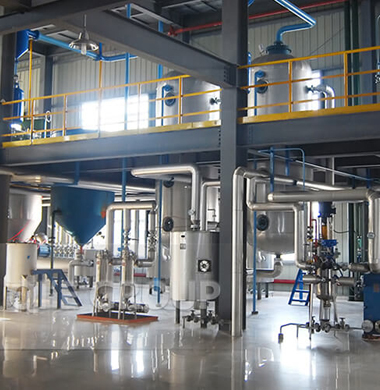
Palm Oil Refinery Plant
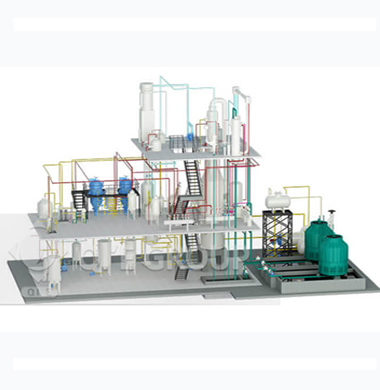
Palm Oil Fractionation Plant

Small Scale Palm Oil Processing Plant
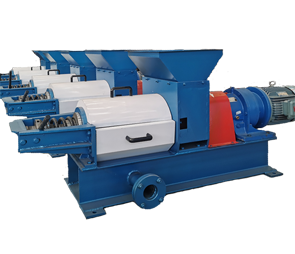
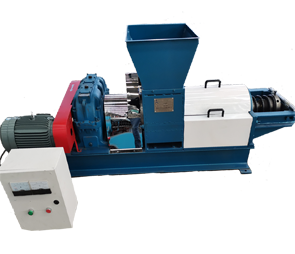
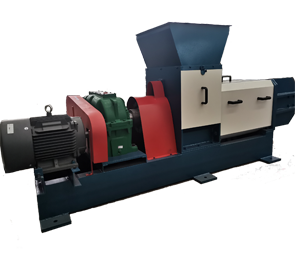
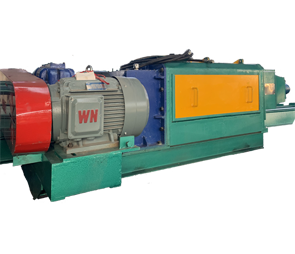
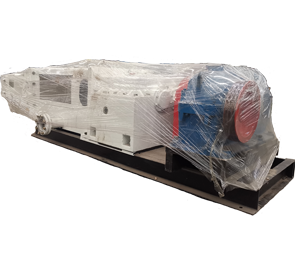
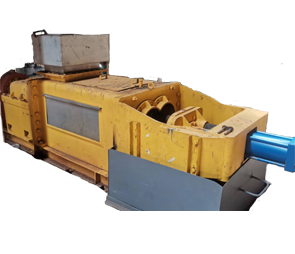
QIE Machinery offers a complete range of core equipment and related auxiliary equipment for palm oil solutions.
Whether you contact us by phone, email, or leave a message online, we will provide you with comprehensive and high-quality services.
Phone: 0086-13949113983
WhatsApp:
Email: qiea@oilpresses.org
Address: No.352 Lianhua Street, Hightech Industrial Development Zone, , Zhengzhou City,Henan Province, China