QIE Machinery
QIE Machinery
QIE Machinery
QIE Machinery

Palm oil deacidification process is necessary because crude palm oil naturally contains free fatty acids (FFAs), which are the byproducts of the palm oil extraction process. These FFAs contribute to the palm oil’s acidity level, which can negatively affect its taste, odor, and shelf life. High acidity levels can make the palm oil go rancid more quickly, leading to off-flavors and reduced nutritional value.
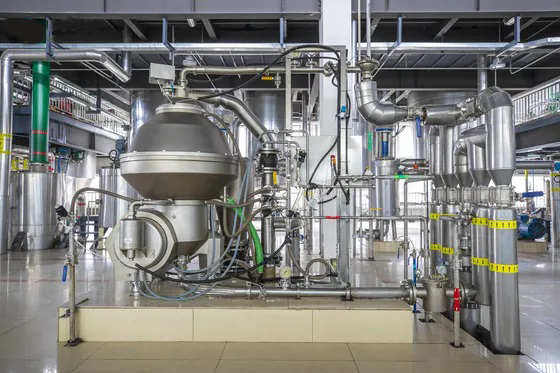
Palm oil deacidification is a core refining step to remove free fatty acids (FFA) from crude palm oil (CPO), lowering acid value, improving stability, and meeting edible oil standards. Two dominant processes are used: chemical deacidification (alkali refining) and physical deacidification (steam distillation).
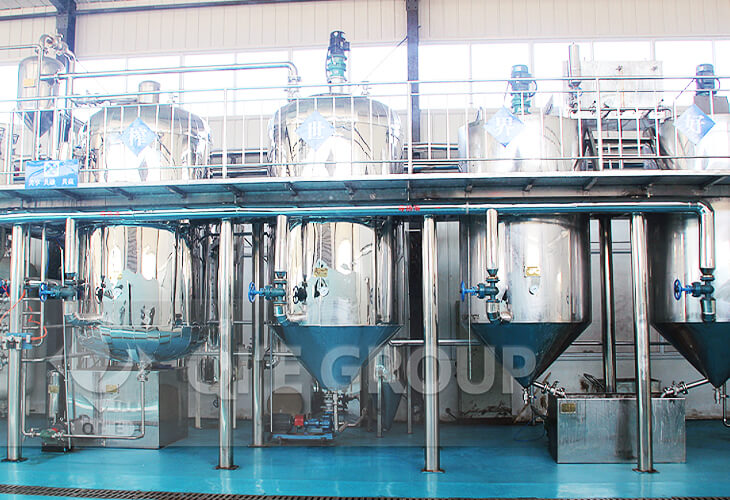
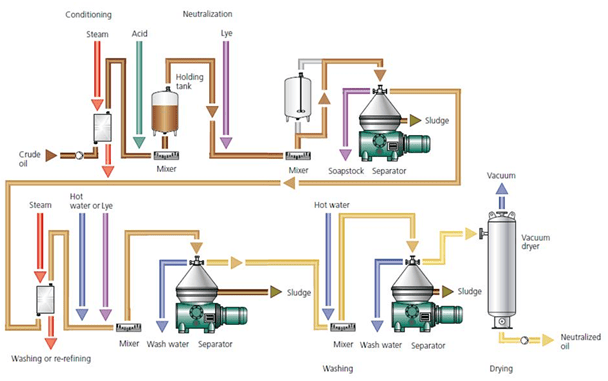
The alkali refining of palm oil is one kind of palm oil deacidification method. It is called chemical refining method, usually used in batch type and semi-continous palm oil refinery plant.
According to acid-base neutralization principle, add alkali into degummed palm oil, react with Free Fatty Acid(FFA), and last produce nigre which can be used to make soap.
Process of alkali refining of palm oil
1. Heating: After degumming, the crude palm oil should be under 60-70℃ temperature.
2. Neutralizing: Add alkali, stir the oil slowly, then the alkali will react with FFA, and finally get the by-product–nigre.
3. Settling: After reaction, the oil should be settled for a long time to make the nigre settle down.
4. Separating: Separate the nigre from the oil.
5. Washing: About 500 ppm soaps still remain in the separated neutralized oil, adding 5% of hot water to reduce the residual content of soaps, because hot water will absorb oil soap and other impurities.
After alkali refining of palm oil, the acid value of the palm oil will be low, and it is more easily to store. But if you want to get higher quality palm oil, the decolorization and deodorization of palm oil are also necessary processes.
Principle: Exploit volatility difference—FFA vaporizes at 240–260°C under high vacuum (<1–4 mbar) and is stripped by direct steam; glycerides remain liquid.
Critical Precondition: Deep degumming (phosphorus <10–15 ppm) to prevent phospholipid charring.
Process Flow:
Pros:
Cons: Higher capital cost; requires strict vacuum and temperature control.
Palm oil deacidification process is a crucial step in the palm oil refining process. It is performed to inhibit the growth of FFAs, which would otherwise compromise the palm oil’s quality and safety. As a professional edible oil processing machine manufacturer, we can customize a suitable palm oil refining process for you based on your needs and investment costs. If you need palm oil refining plant, you can contact us.


Palm Oil Production Line
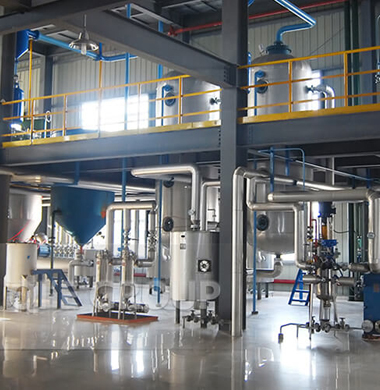
Palm Oil Refinery Plant
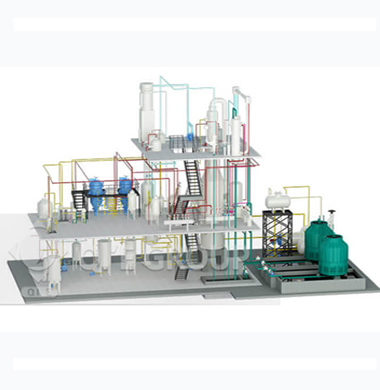
Palm Oil Fractionation Plant

Small Scale Palm Oil Processing Plant
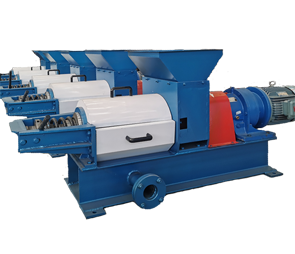
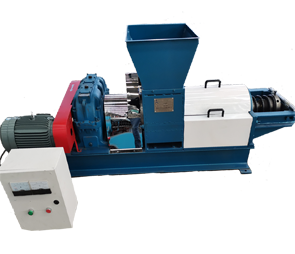
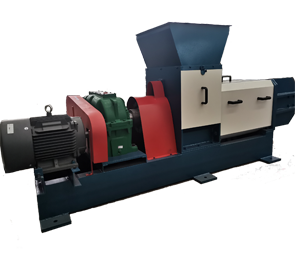
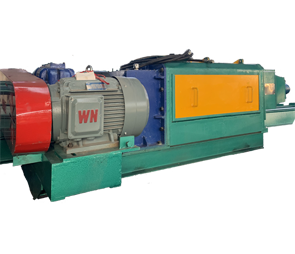
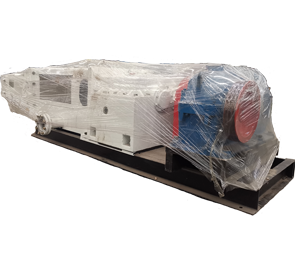
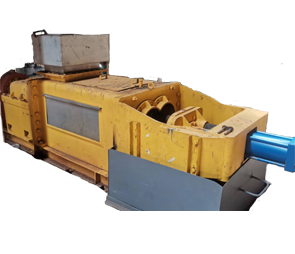
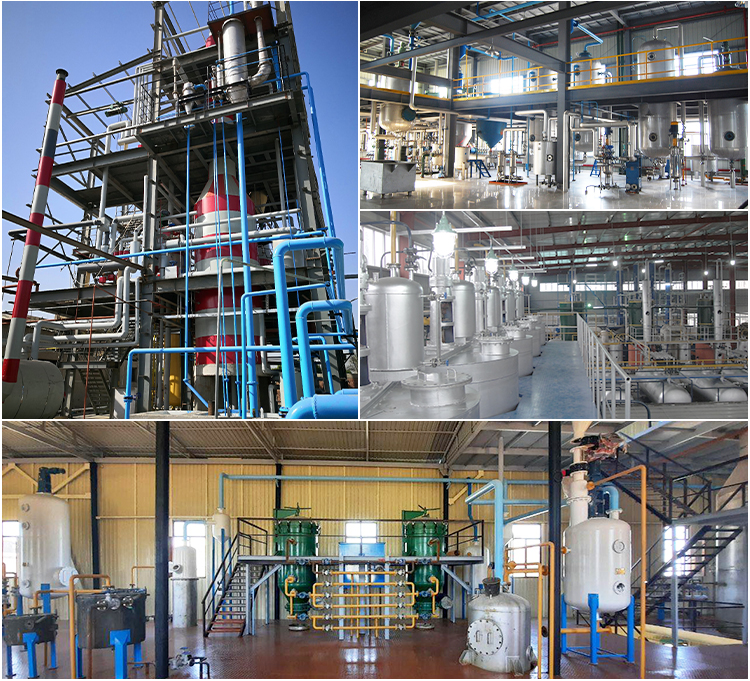
QIE Machinery offers a complete range of core equipment and related auxiliary equipment for palm oil solutions.
Whether you contact us by phone, email, or leave a message online, we will provide you with comprehensive and high-quality services.
Phone: 0086-13949113983
WhatsApp:
Email: qiea@oilpresses.org
Address: No.352 Lianhua Street, Hightech Industrial Development Zone, , Zhengzhou City,Henan Province, China