QIE Machinery
QIE Machinery
QIE Machinery
QIE Machinery

Côte d’Ivoire is one of the leading palm oil producers in Africa, typically ranking as the second or third largest producer on the continent after Nigeria. The sector is a vital pillar of the national economy, contributing approximately 3.13% to the country’s GDP and providing a livelihood for over one million people.
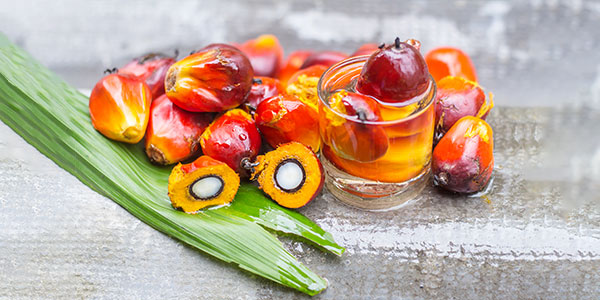
Palm oil is a versatile, edible vegetable oil derived from the fruit of the oil palm tree (Elaeis guineensis), which is native to West and Southwest Africa. As the world’s most widely produced and consumed vegetable oil, it is found in approximately 50% of all packaged supermarket products, ranging from food items like pizza and chocolate to non-food goods such as shampoo, lipstick, and detergents. The crop is prized by manufacturers for its high yield—producing up to 10 times more oil per hectare than alternative crops like soy or sunflower—and its unique physical properties, including a semi-solid consistency at room temperature and high oxidative stability, which extends the shelf life of processed foods.
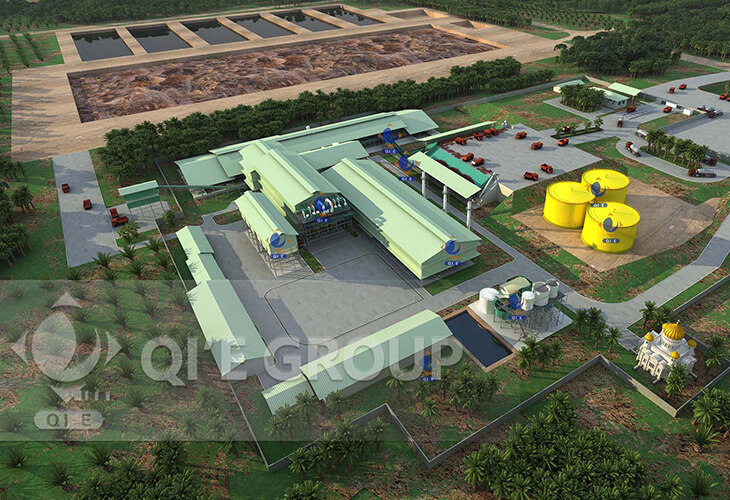
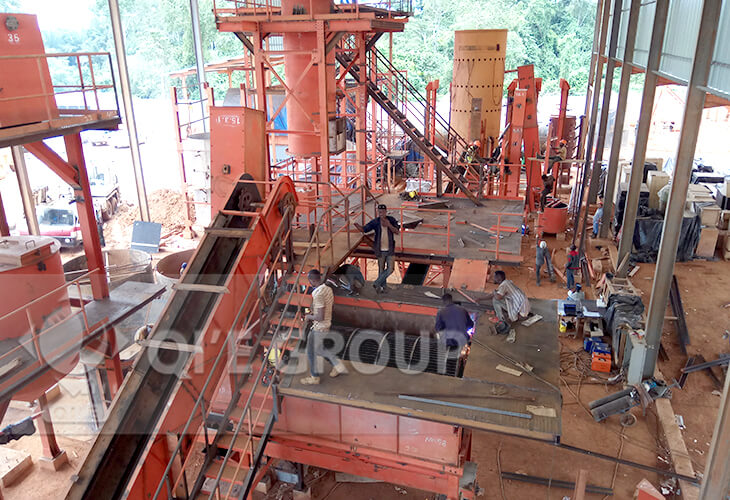
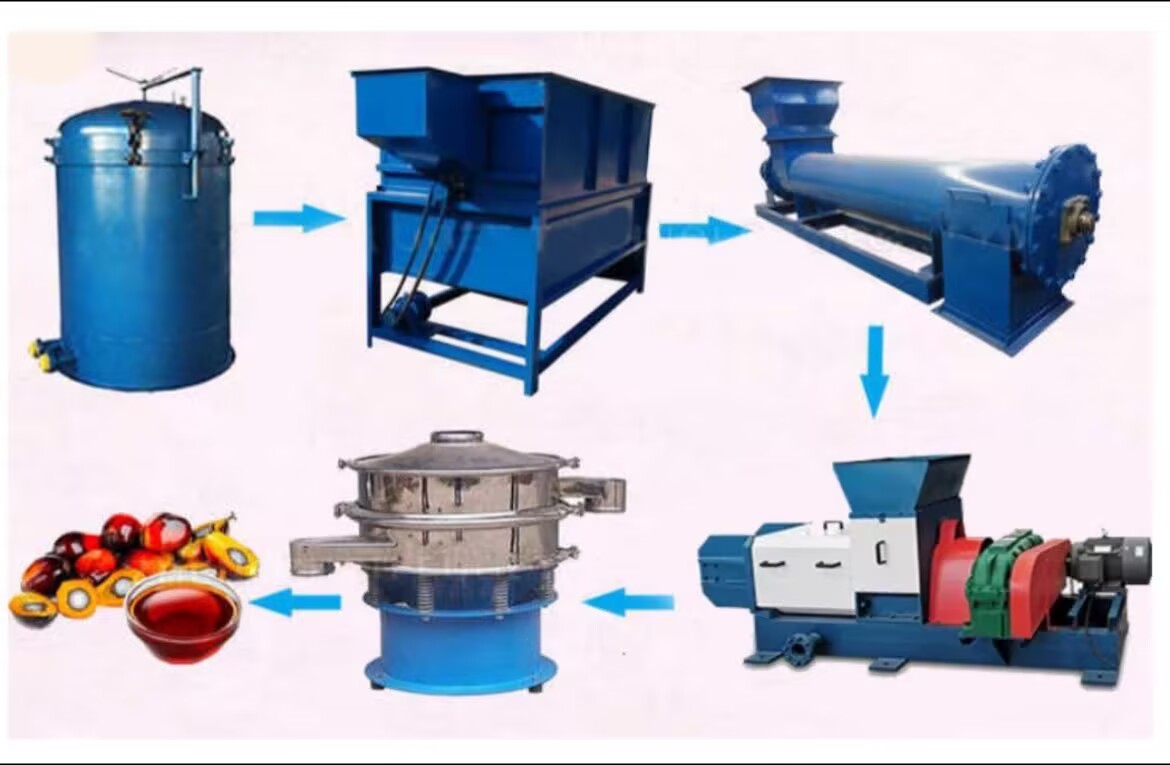
A complete Palm Oil Processing Production Line is a multi-stage process involving specialized equipment and techniques to convert fresh palm fruit into refined edible palm oil. We provide turnkey palm oil processing plant solutions from oil mill plant layout design to oil machinery manufacturing, onsite debugging, and installation. The palm oil processing plant capacities range from 1 TPH to 120 TPH. Our unique patented palm oil equipment and techniques are highly efficient in handling the specific properties of palm fruits and achieving maximum oil yield and quality. We have the best solutions for you in each stage, from palm sterilization and threshing to palm oil extraction and refining.
The production line for palm oil is a multi-stage industrial process that transforms harvested Fresh Fruit Bunches (FFB) into Crude Palm Oil (CPO) and, eventually, refined products.
Fresh Palm Fruit Bunches Reception & Storage Section
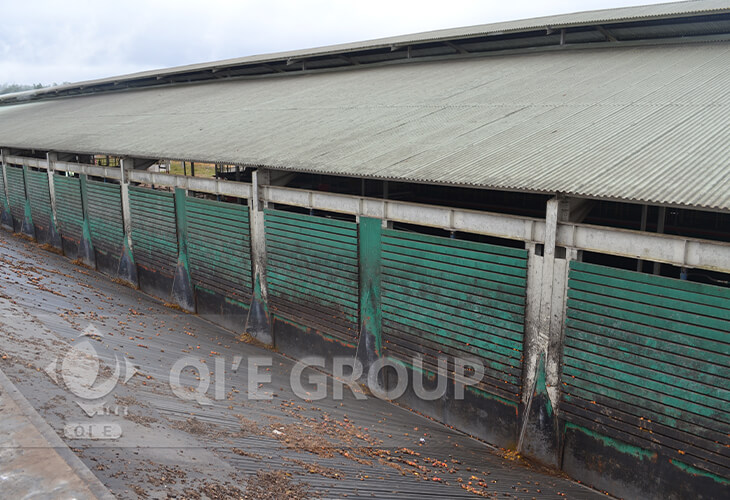
Collecting the ripe fresh palm fruit bunches from the plantation and transported by trucks to palm oil mill plant. Then pour the FFB into the discharge door after weighed by weighbridge.
It is the beginning part of the large scale palm oil milling machinery running. The discharge door has discharging channels. Start the control valve to open the gate of the discharge door, then the palm fruits will fall into the fruit basket car or conveyor.
Palm Fruit Sterilization Section
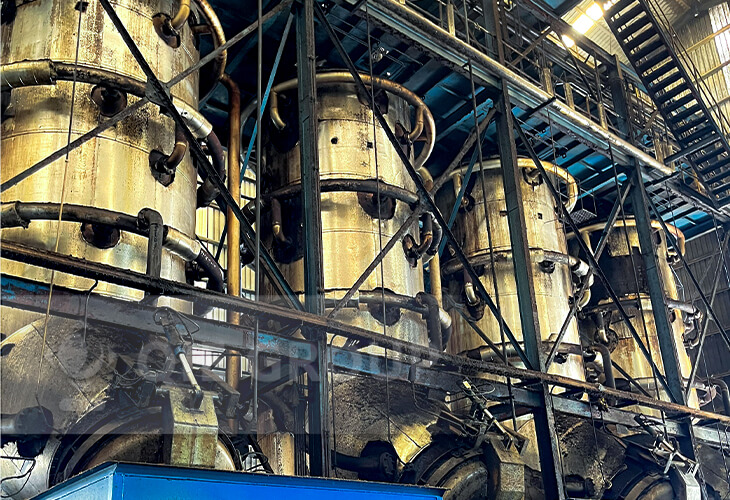
Sterilization is a process, to inject steam directly into to sterilizer, then boil the palm fruit for about 60 mins. The purpose of sterilization is to break the enzymes in palm fruits and avoid the increasing of the FFA content in palm oil. Meanwhile, the high temperature will make the fruits soften, which will make it easy for palm fruit threshing and palm kernel cracking section.
Palm Fruit Bunches Threshing Section
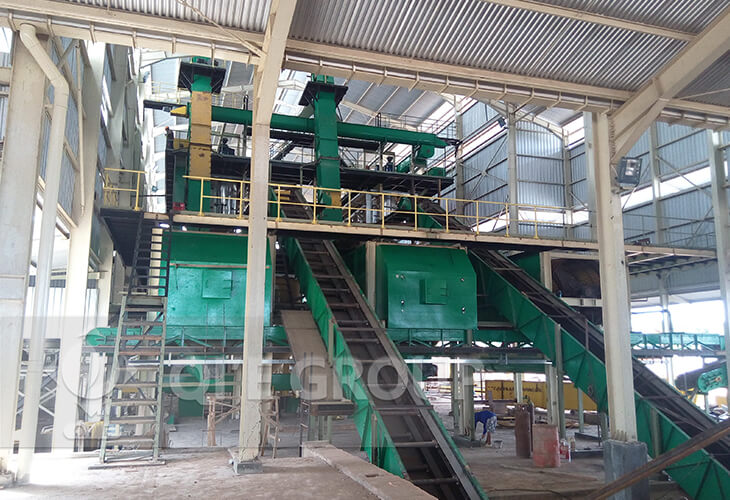
The purpose of threshing is to separate the palm fruit from the FFB. The drum type thresher is the common used in large scale palm oil milling machinery. The separated palm fruits are sent to the digesting & pressing section. Empty palm fruit bunches are transported to boiler room as fuel or to other place to further process.
Digesting & Pressing Section
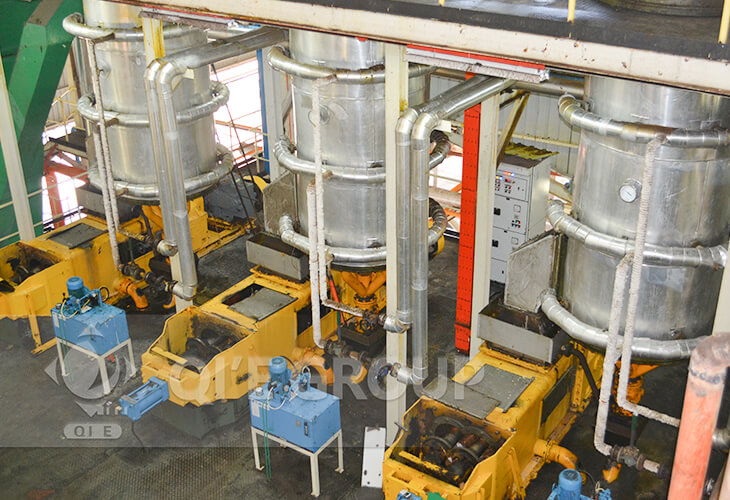
Digesting is for breaking off the palm fruit, and with high temperature to soften the fruit and kills the bacteria. The large scale palm oil milling machinery use double screw palm oil expeller, which is with hydraulic control system to adjust spacing between screws. So it is suitable for various palm fruit species and guarantee the oil yield.
After pressing, the palm kernel and fiber mixtures are sent to palm kernel recovery section and the crude palm oil is sent to the palm oil clarification section.
Crude Palm Oil Clarification Section
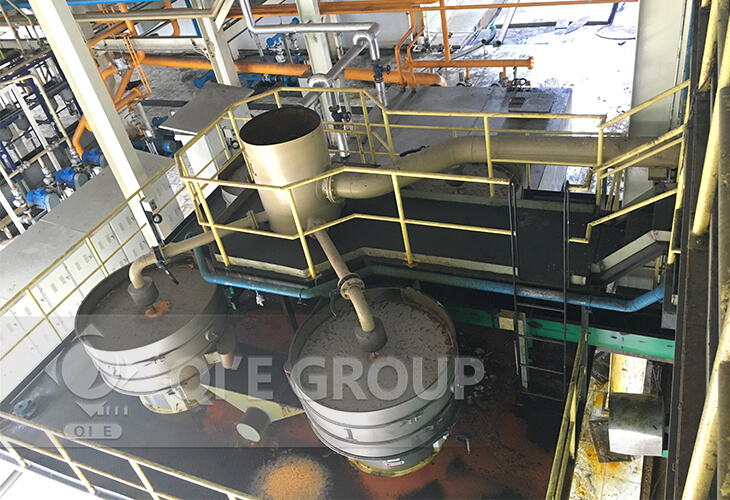
After clarification, the purified palm oil can be directly sold or deeply refining and the industrial sewage will be sent into effluent pond. Then the residual sludge can be used as the fertilizer. The whole palm oil milling process is high automatic, environment friendly and energy- saving.
Palm Kernel Recovery Section
After pressing, the palm kernel and fiber mixture can be processed by further separation. After drying, the palm kernels are stored for deep processing, and the separated fiber and shells are used as the boiler fuel for providing steam.
Palm Oil Refinery is an important process in the palm oil mill plant to ensure the quality and safety of palm oil. It’s recommended to refine crude palm oil through our palm oil refining machines to get high-quality palm oil that is easy to store and can priced high. Refined palm oil can be packed and labeled for the local or global market. We offer you complete palm oil pressing refining plant solutions, from plant layout design to palm oil equipment manufacturing, debugging, and installation.
We offer various palm oil refining plants to meet customers’ special capacity needs, including Batch Refinery plants, Semi-continuous Refinery plants, and Continuous Oil Refinery Plants. The Batch type is the ideal choice for small-sized palm oil production (1-20TPD), while the Semi-continuous Refinery plants are the best choices for middle-large size production lines (20-50TPD), a fully continuous refinery line(50-600TPD) is most used in large palm oil production plants.
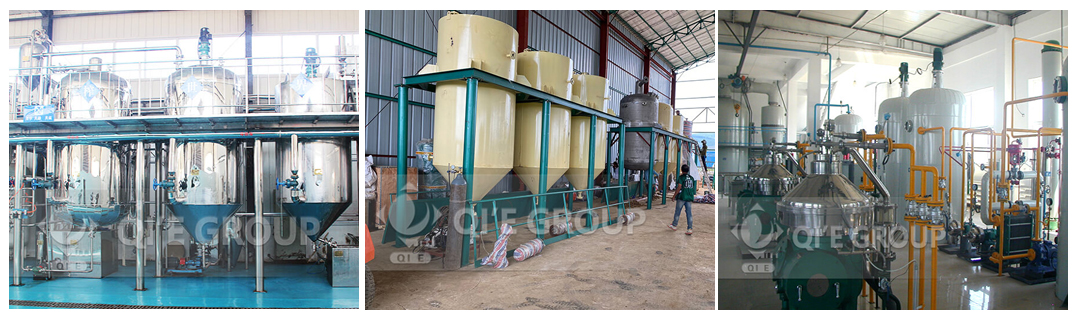
The main steps of crude palm oil refining are degumming, deacidification, bleaching, and deodorization.
CPO(crude palm oil)→ refining → bleaching → deodorizing →RBD palm oil → crystallization → fractionation → RBD olein & RBD stearin
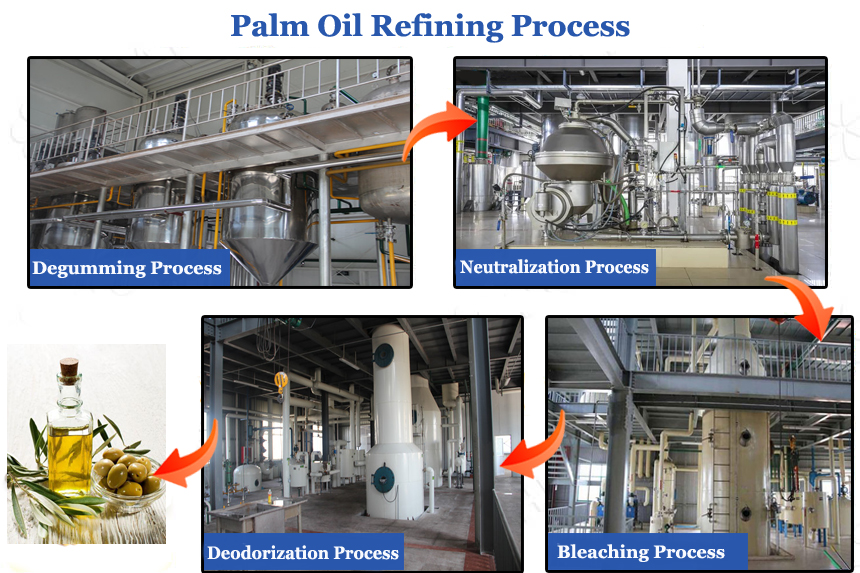
Degumming
The oil degumming process aims to remove the gum impurities in crude palm oil to make it suitable for further refinery processes. Water or acid is added to remove phospholipids and gums.
Neutralization
Alkali solution (typically sodium hydroxide) is added to neutralize free fatty acids. Oil Deacidification is a process that has a great impact on palm oil quality. If there is a problem with the neutralization process, the following decoloration will be greatly affected. The free fatty acid in crude palm oil can affect the stability and relish of palm oil. We can add some lye to neutralize the free fatty acid, this process is also called alkali refining.
Bleaching
The palm oil bleaching process is to remove oil pigment, residual soap, and metal ions. All the pigments can be removed by the adsorbents method. The bleaching process can improve the oil color, relish, and increase the oxidation stability, thus providing a good condition for the deodorization process.
Deodorization
Steam distillation removes volatile components that cause odors. The palm oil deodorization section plays an important role in improving palm oil quality. The refined palm oil is nearly colorless and transparent in the liquid state and white in the solid state.
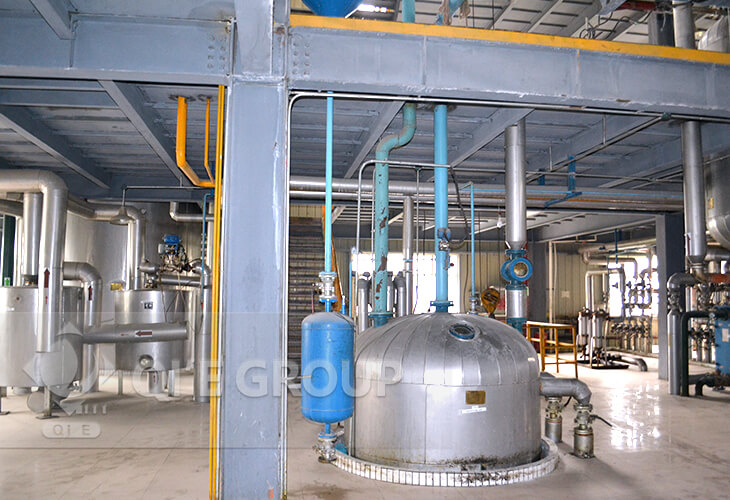
Palm oil is by far the most important fractionated oil in the world; crude, semi- and fully refined palm oil can be fractionated in multi-stage, giving access to several products for specific applications.
The typical fractionation process of palm oil mill is pre-heating, cooling, crystallization, and filtering.
Factors Affecting Fractionation Effect of Palm Oil:
Control cooling water temperature;
Filling and squeezing pressure;
Filter cloth air permeability (400, 600 L/dm2/min);
Design of crystallizers.
Palm oil fractionation plant adopts advanced crystallization equipment, filtration equipment, and accurate temperature auto-control software to separate palm olein and palm stearin which can get different melting-point fractionation products, including 18℃, 24℃, 32℃, etc.
As Africa’s second‑largest producer of crude palm oil and a cornerstone of West Africa’s edible oil supply, Côte d’Ivoire relies on modern, efficient palm oil processing production lines to transform fresh fruit bunches into high‑quality crude and refined palm oil. These integrated lines cover full‑cycle processing: sterilization, threshing, digestion, pressing, clarification, purification, and optional refining and fractionation, delivering stable yields, consistent quality, and compliance with regional and international food standards. Designed for both industrial estates and smallholder cooperatives, the production lines boost extraction efficiency, reduce waste, and support the country’s Plan Palmier strategy to strengthen self‑sufficiency, create local employment, and expand export capacity to neighboring markets. By combining robust mechanical design, automated control, and tropical‑environment adaptability, these processing systems underpin the sustainable growth of Côte d’Ivoire’s palm oil sector and its role as a leading agro‑industrial hub in West Africa.
QIE Group is a leading manufacturer specializing in palm oil processing solutions and equipment. we provide complete palm oil processing production line in côte d’Ivoire. More than 35+ years’ experience, we are committed to optimizing technology processes, engineer design, project management, installation and training, help customer build the palm oil mill plant over the world. When you plan to build an palm oil processing plant côte d’Ivoire, please contact us today to get the quote.


Palm Oil Production Line
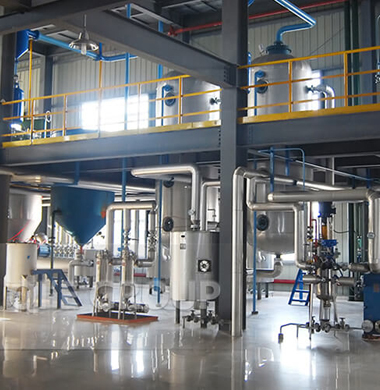
Palm Oil Refinery Plant
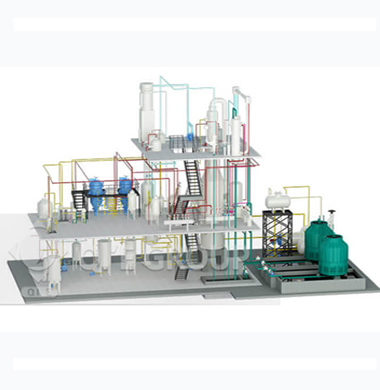
Palm Oil Fractionation Plant

Small Scale Palm Oil Processing Plant
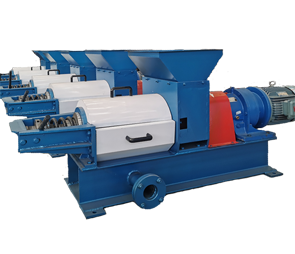
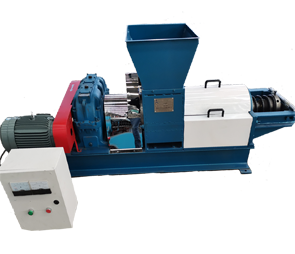
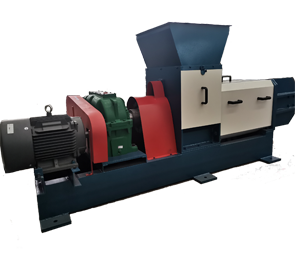
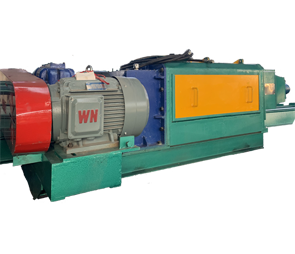
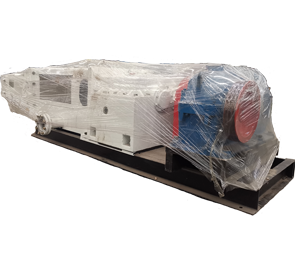
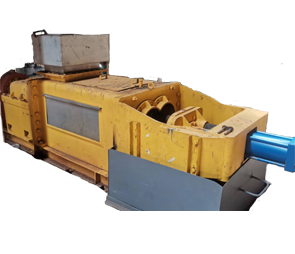
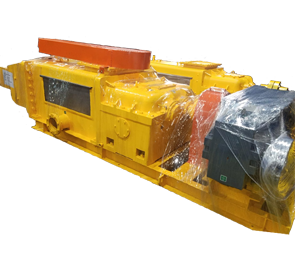
QIE Machinery offers a complete range of core equipment and related auxiliary equipment for palm oil solutions.
Whether you contact us by phone, email, or leave a message online, we will provide you with comprehensive and high-quality services.
Phone: 0086-13949113983
WhatsApp:
Email: qiea@oilpresses.org
Address: No.352 Lianhua Street, Hightech Industrial Development Zone, , Zhengzhou City,Henan Province, China