QIE Machinery
QIE Machinery
QIE Machinery
QIE Machinery

5TPH palm oil mill plant represents a small-to-medium-scale industrial solution designed to process fresh palm fruit bunches (FFB) into crude palm oil (CPO) efficiently. With a capacity of 5,000 kilograms of FFB per hour, it typically yields approximately 1 ton of crude palm oil per hour.
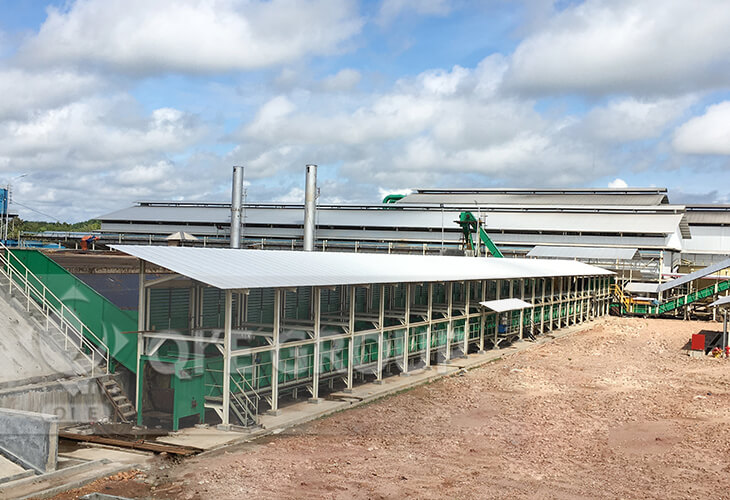
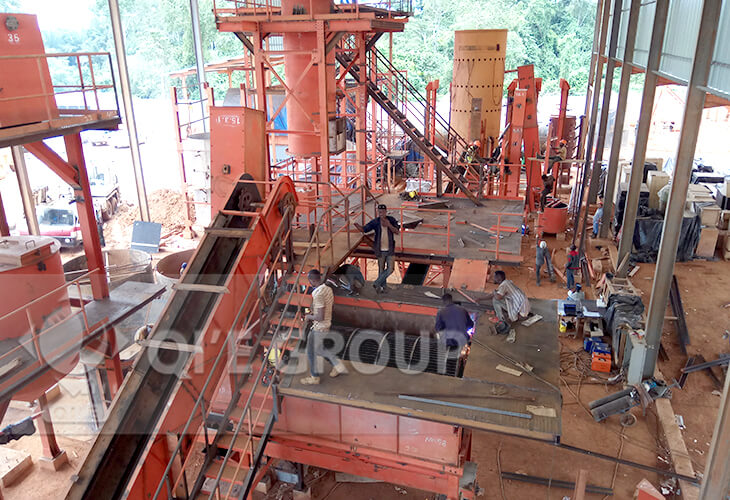
Sterilization: Fresh fruit bunches are cooked in a vertical steam sterilizer using high-pressure steam. This crucial step stops enzymatic reactions that cause oil rancidity, softens the fruit for easier processing, and helps loosen the fruit from the bunches.
Threshing: The sterilized bunches enter a rotary drum threshing machine. The mechanical rotation separates the individual palm fruits from the empty bunches. The empty bunches are typically removed as waste or used as fuel, while the loose fruits move to the next stage.
Digesting: The palm fruits are fed into a digestion tank where they are heated and continuously stirred. This process breaks down the fruit pulp and ruptures the oil-containing cells, making the oil easier to extract in the next step.
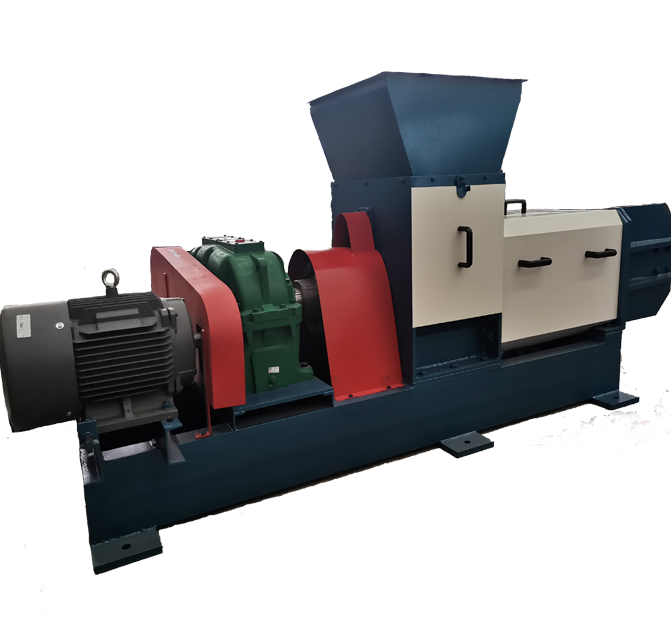
Pressing: The digested fruit pulp is fed into a double-screw palm oil press. The powerful mechanical squeezing action extracts the crude palm oil from the pulp. The solid press cake (containing fiber and palm nuts) is discharged separately for further processing.
Clarification & Purification: The extracted crude oil is a mixture of oil, water, and solids. This is processed through a multi-stage system typically including a vibrating screen to remove large solids, a clarification tank for gravity separation, and a plate filter to remove fine impurities.
Vacuum Dehydration: The clarified oil is transferred to a vacuum dehydrator. By creating a low-pressure environment, residual moisture is rapidly evaporated, preventing oil oxidation and extending its shelf life.
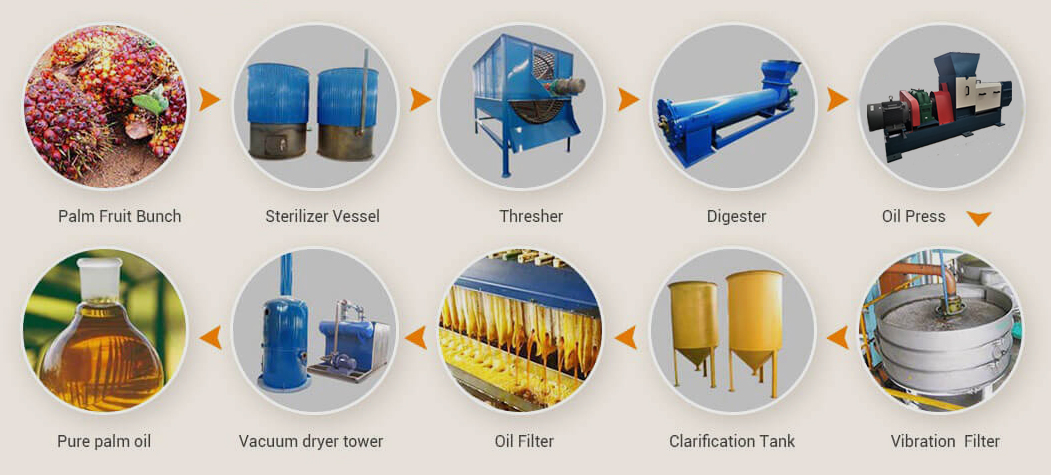
| Main Section | Key Machinery | Function |
|---|---|---|
| Fruit Reception | Loading ramp, weighing system | Receiving and weighing fresh fruit bunches |
| Sterilization | Vertical steam sterilizer | Cooking fruit to prevent rancidity and ease threshing |
| Threshing | Rotary drum threshing machine | Separating palm fruits from empty bunches |
| Pressing | Digester and double-screw oil press | Breaking down pulp and mechanically squeezing out oil |
| Oil Clarification | Clarification tank, plate filter | Removing impurities from crude oil |
| Dehydration | Vacuum dryer tank | Removing final moisture from the oil |
| Support Systems | Biomass boiler, diesel generator | Providing steam and power for the mill |
 How to Start a Palm Oil Mill Factory?
Starting a palm oil mill factory is a significant but potentially profitable venture. Here is a step-by-step guide to help you navigate the process, from initial planning to operation.
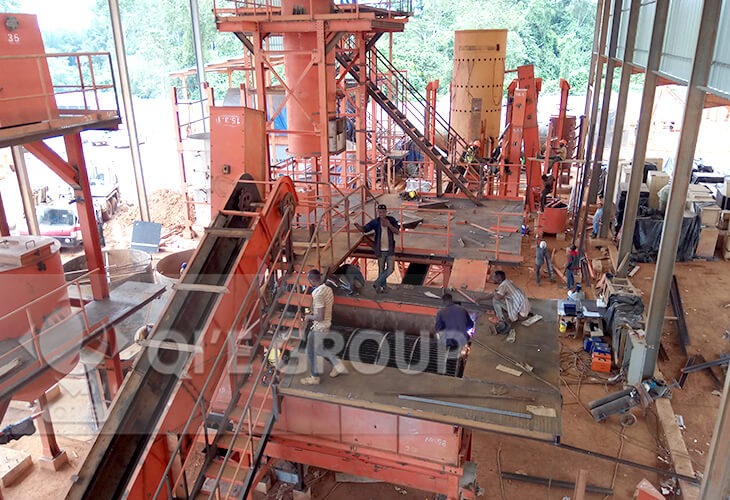
Step 1: Define Your Scale and Capacity
First, you need to decide on the scale of your operation. This will determine the technology you use, your investment, and your overall business model.
Small-Scale Mill (1–5 tons per hour): Ideal for individual entrepreneurs, rural cooperatives, or regions with limited infrastructure. The equipment is simpler, more cost-effective, and can be modular for easy expansion.
Medium to Large-Scale Mill (e.g., 30+ tons per hour): Requires a much larger investment and sophisticated, continuous processing systems. This scale is often pursued by large plantation companies or established cooperatives looking to capture more value from their fruit.
Step 2: Choose a Suitable Location
Your mill’s location is critical for operational efficiency and profitability. Consider the following factors:
Proximity to Fresh Fruit Bunches (FFB): To minimize transport costs and spoilage, your mill should be located as close as possible to the palm plantations.
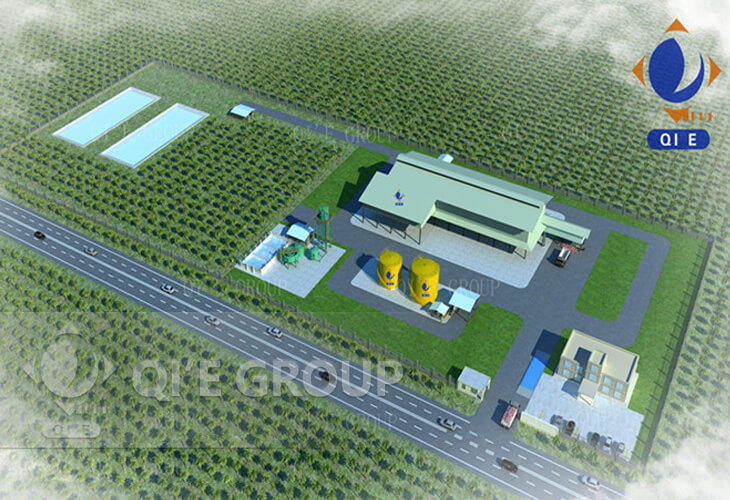
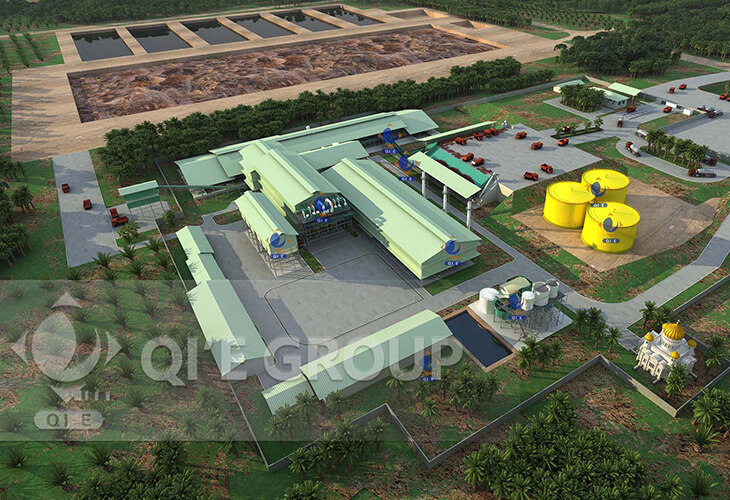
Land Availability: The required land depends on the mill’s capacity. For a 1–5 TPH mill, you may need 1.5 to 3 hectares to accommodate the factory building, a fruit reception area, waste treatment ponds, and storage tanks.
Infrastructure: The site must have access to stable industrial electricity, a reliable source of high-capacity water, and good roads for transporting raw materials and finished products. The area should also be zoned for industrial use and away from residential areas.
Step 3: Plan for Sustainability and By-Products
Modern and forward-thinking mills focus on sustainability and maximizing revenue from waste. A conventional mill generates substantial solid and liquid waste. However, these can become valuable by-products.
Solid Waste: Empty fruit bunches (EFB), pressed fiber, and nut shells are not simply discarded. Fiber and shells are often used as fuel in the mill’s boilers to generate steam and electricity, reducing energy costs. EFB can be composted into a high-quality organic fertilizer for the plantations.
Palm Kernel Recovery: You can install a palm kernel recovery plant to process the nut shells from the press cake. This line cracks the nuts to separate the kernel from the shell, which can then be sold as a secondary revenue stream.
Liquid Waste: Palm Oil Mill Effluent (POME) is a high-polluting liquid but can be processed through anaerobic digestion. This captures methane biogas, which can be used to power the mill, reducing operational costs and greenhouse gas emissions.
Step 4: Secure Approvals and Plan Your Workforce
Permits and Licenses: You must obtain the necessary business registration, tax registration, and an edible vegetable oil production license. A crucial step is to conduct an environmental impact assessment and obtain the required environmental permits.
Workforce: A semi-automated 5 TPH mill typically requires 15–25 workers per shift for roles like fruit loading, boiler operation, machine monitoring, and quality control. Most equipment suppliers will include on-site training for your staff on machine operation and maintenance as part of their service.
QIE Group specializes in the manufacturing and supply of palm oil processing equipment, palm kernel oil production line, palm oil refining plant, and complete turnkey palm oil mill plant. The palm oil production equipment provided by QIE Group is capable of producing high-quality palm oil and palm kernel oil suitable for use in the food industry as well as various industrial applications. Additionally, we offer free project consulting services for clients planning to establish palm oil processing plants in Nigeria, Ghana, Malaysia, Indonesia, Honduras, the United States, Brazil, and other locations.
What is a 5TPH Palm Oil Mill Plant?
A 5TPH (tons per hour) palm oil mill plant is a small-to-medium scale processing line designed to process fresh palm fruit bunches (FFB) into crude palm oil (CPO). It typically processes 5 tons of FFB per hour, yielding approximately 1 ton of crude palm oil per hour. The complete processing line includes sterilization, threshing, digestion, pressing, clarification, and drying stages.
What is the typical ROI period?
With a consistent Fresh Fruit Bunch (FFB) supply, a 5TPH mill typically achieves Return on Investment within 1.5 to 2.5 years. Profitability is driven by the leap in Oil Extraction Rate (OER) from approximately 10% via traditional methods up to 19%–23% using automated equipment.
How much land and workshop space is required?
You will need a total land plot of 1.5 to 3.5 hectares to manage FFB loading bays, waste processing, and logistics. The core mechanical workshop requires a footprint of at least 30m × 15m × 8m (approximately 450 to 1,000 square meters).
How many hectares of plantations support a 5TPH mill?
A 5TPH palm oil mill requires roughly 40 to 50 tons of FFB per day (assuming 8–10 hours of daily operation). To sustain this year-round, you need a dedicated supply base of 1,000 to 1,500 hectares of mature oil palm trees, typically secured via a mix of private estates and local smallholder networks.
What is the expected oil yield?
A 5TPH palm oil mill typically achieves an oil yield of 18–22% (FFB to CPO), with residual oil in the press cake maintained at ≤5–6%. Digesting temperature should be maintained at or above 90°C at all times to optimize extraction.
How much Crude Palm Oil (CPO) will a 5 TPH plant produce daily?
Oil palm fruit has an average Oil Extraction Rate (OER) of 20% to 22%. Processing 5 tons of FFB per hour yields about 1 ton of pure CPO per hour. In a standard 10-hour operational shift, the plant will output 10 tons of CPO.
What are the main commercial by-products?
Palm Kernels (5-7% yield): Sold to kernel crushing mills to make palm kernel oil (PKO).
Palm Kernel Shells & Fiber: Used instantly as free biomass fuel for the factory boiler.
Empty Fruit Bunches (EFB): Recycled into plantations as organic fertilizer or sold for biomass pellets.


Palm Oil Production Line
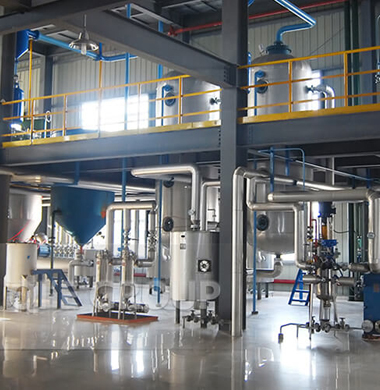
Palm Oil Refinery Plant
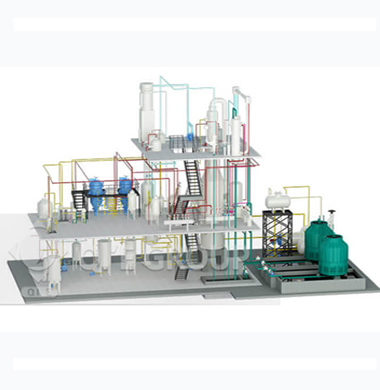
Palm Oil Fractionation Plant

Small Scale Palm Oil Processing Plant
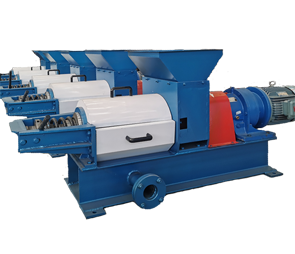
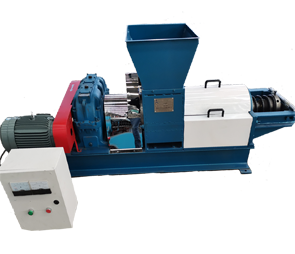
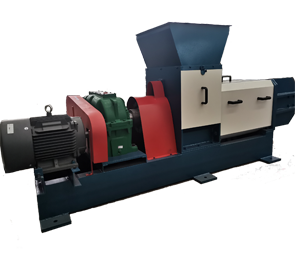
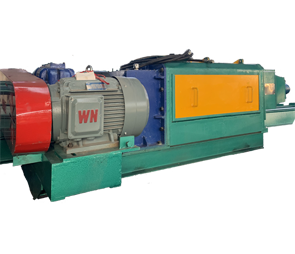
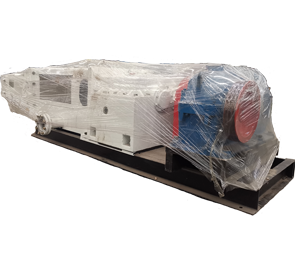
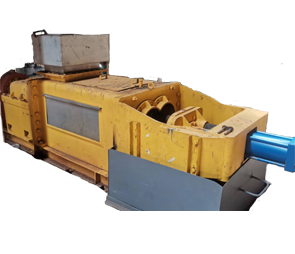
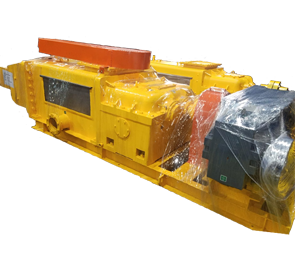
QIE Machinery offers a complete range of core equipment and related auxiliary equipment for palm oil solutions.
Whether you contact us by phone, email, or leave a message online, we will provide you with comprehensive and high-quality services.
Phone: 0086-13949113983
WhatsApp:
Email: qiea@oilpresses.org
Address: No.352 Lianhua Street, Hightech Industrial Development Zone, , Zhengzhou City,Henan Province, China