QIE Machinery
QIE Machinery
QIE Machinery
QIE Machinery

Cameroon has a strong oil palm production base, especially in the South-West, Littoral, Centre, and South regions. Small-scale palm oil mills are widely used by local farmers and investors to process fresh fruit bunches (FFB) into crude palm oil (CPO). Smallholder and semi-mechanized mills play an important role in Cameroon’s palm oil supply chain.
In Cameroon, small-scale and artisanal palm oil mills account for roughly 90,000 tons of palm oil annually, supporting thousands of village smallholders and cooperatives. However, traditional manual methods suffer from low extraction rates (typically 8% to 14%) compared to industrial mills (over 21%). Upgrading to semi-mechanized, small-scale machinery (0.5 to 5 tons of fresh fruit bunches per hour) is the most effective way for local processors to maximize oil yields, lower labor constraints, and boost profitability.
A Cameroon Small scale palm oil mill plant is designed for entrepreneurs, farmer cooperatives, and local processors who want to establish a profitable palm oil production business with moderate investment.
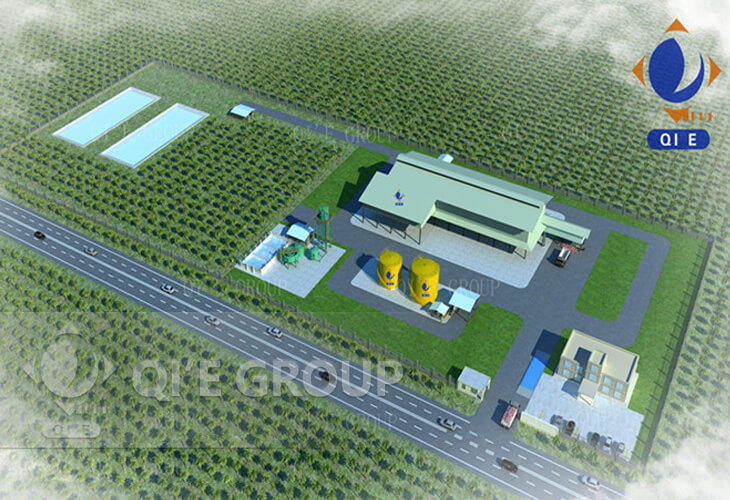
Common small-scale palm oil mill capacities include:
| Plant Capacity | Suitable For |
|---|---|
| 1–2 TPH FFB | Small farmers, village cooperatives, startup investors |
| 3–5 TPH FFB | Commercial small businesses and regional suppliers |
| 5–10 TPH FFB | Larger local processors with stable fruit supply |
For Cameroon conditions, a 1–5 TPH palm oil processing line is often suitable because it balances investment cost, raw material availability, and operation requirements.
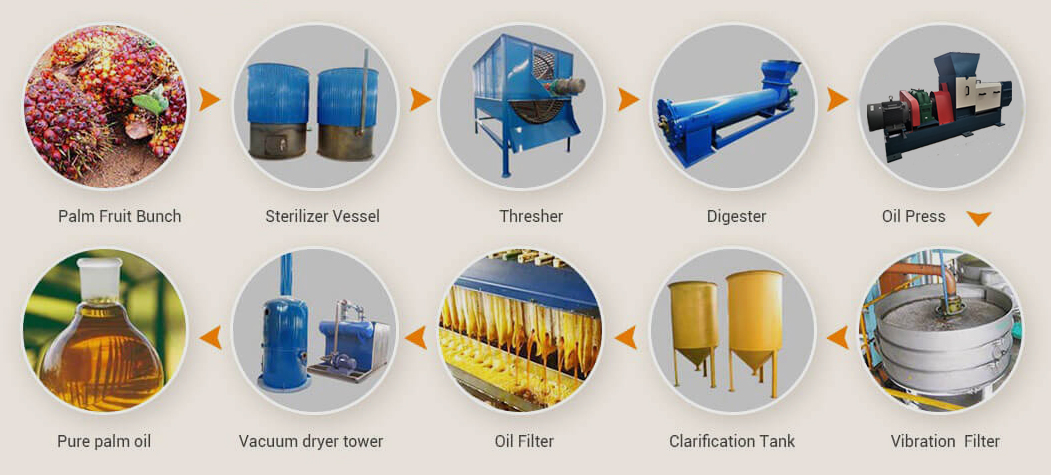
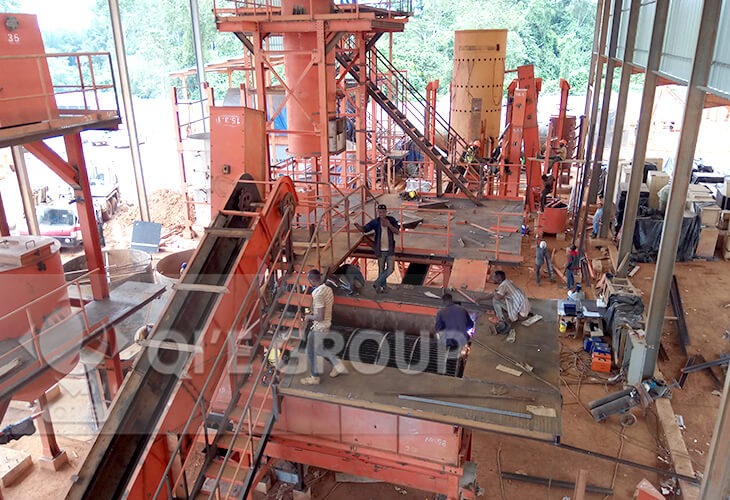
A complete small palm oil mill plant usually includes the following processing steps:
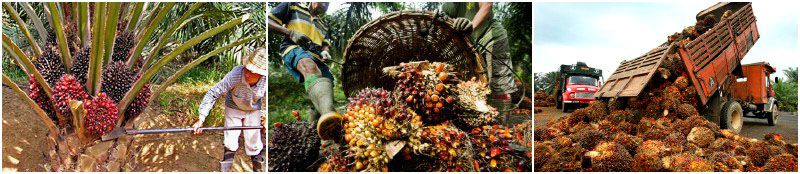
Fresh fruit bunches (FFB) are collected from plantations and transported to the mill.
Steam sterilization softens the fruits, stops enzyme activity, and helps improve oil extraction efficiency.
A palm fruit thresher separates palm fruits from empty fruit bunches.
A digester breaks down the fruit pulp and releases oil-bearing cells.
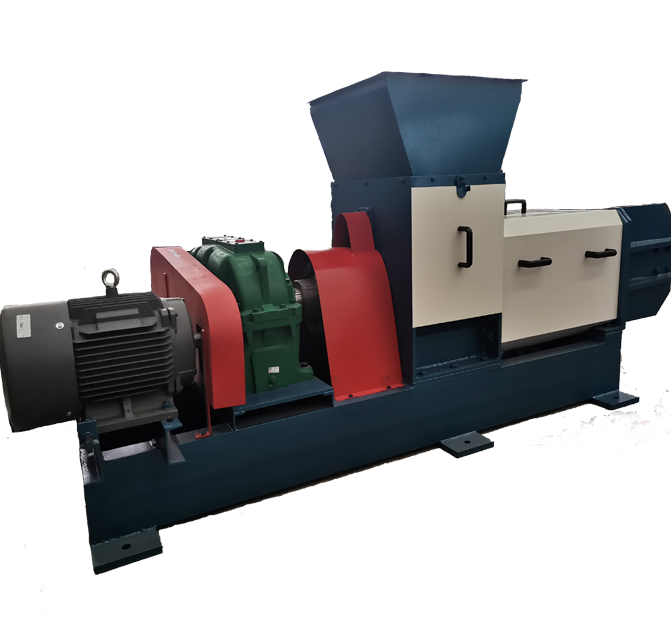
A screw palm oil press extracts crude palm oil from the digested fruit mash.
The crude oil is separated from water and impurities through settling, heating, and filtration.
The finished crude palm oil is stored in tanks before transportation or further refining.
Process Flow:
Fresh Palm Fruit Bunches
→ Sterilization
→ Threshing
→ Digestion
→ Screw Pressing
→ Oil Clarification
→ Filtration
→ Crude Palm Oil Storage
A typical small-scale palm oil mill includes:
Small Cameroon mills have historically developed from individual machines into semi-mechanized processing systems to reduce labor and improve extraction efficiency.
The total investment depends on capacity, automation level, equipment configuration, installation, and local construction costs.
Small Palm Oil Mill Investment Estimate
| Capacity | Estimated Equipment Investment |
|---|---|
| 1 TPH Mini Palm Oil Mill | USD 50,000–150,000 |
| 2–3 TPH Small Palm Oil Mill | USD 150,000–300,000 |
| 5 TPH Semi-Automatic Palm Oil Mill | USD 300,000–600,000 |
A complete turnkey project may also include:
The success of a palm oil mill depends mainly on a stable supply of fresh fruit bunches.
For example:
Smallholder sourcing models are common in Cameroon, with companies and cooperatives working with local oil palm growers.
✅ Strong Local Market Demand
Palm oil is widely consumed in Cameroon for household cooking and food processing.
✅ Short Processing Distance
Processing fresh fruit near plantations reduces transportation losses and improves oil quality.
✅ Lower Investment Compared with Large Mills
Small-scale mills require less capital and are suitable for first-time investors.
✅ Multiple Revenue Streams
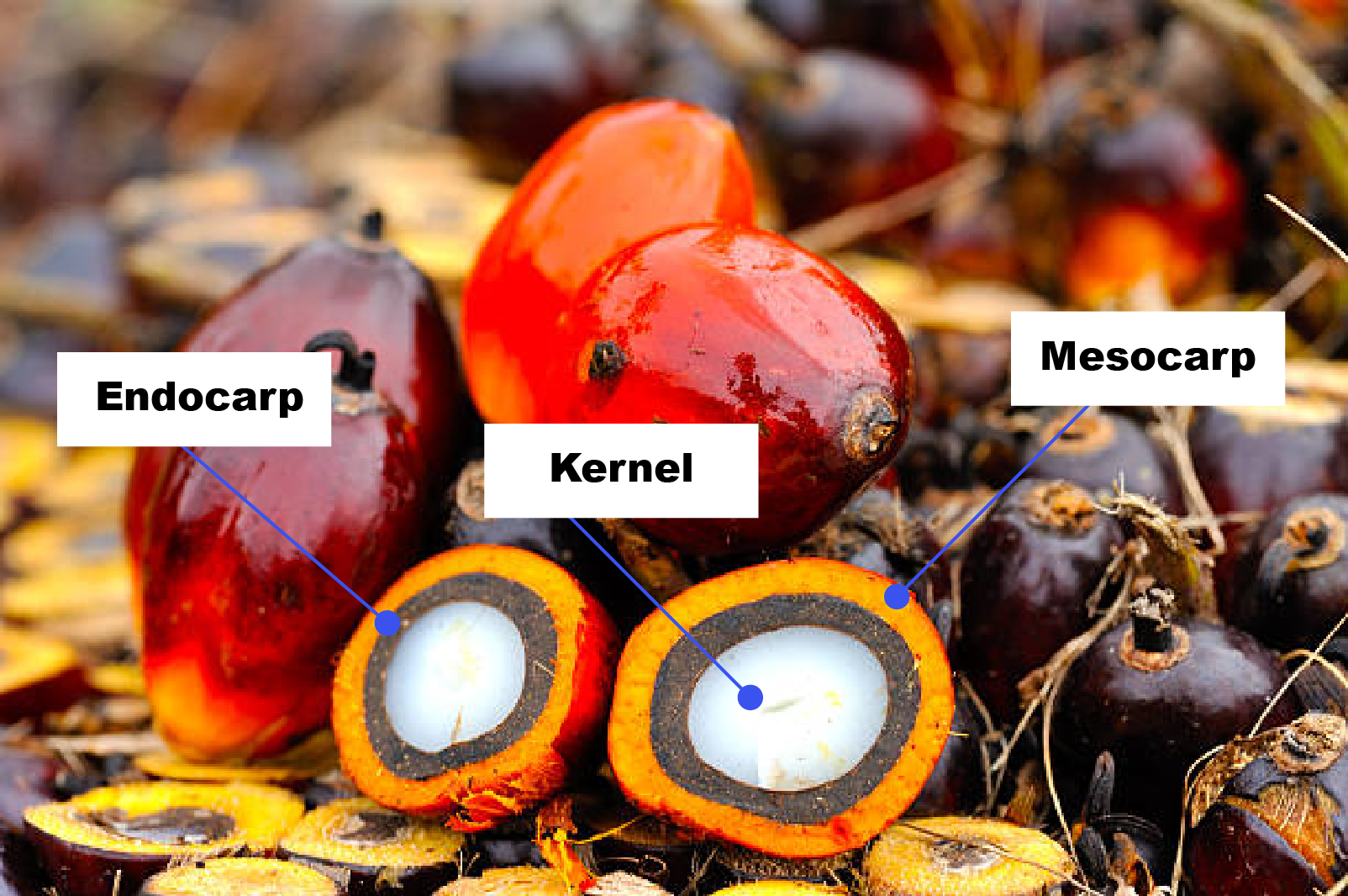
Besides crude palm oil, investors can sell:
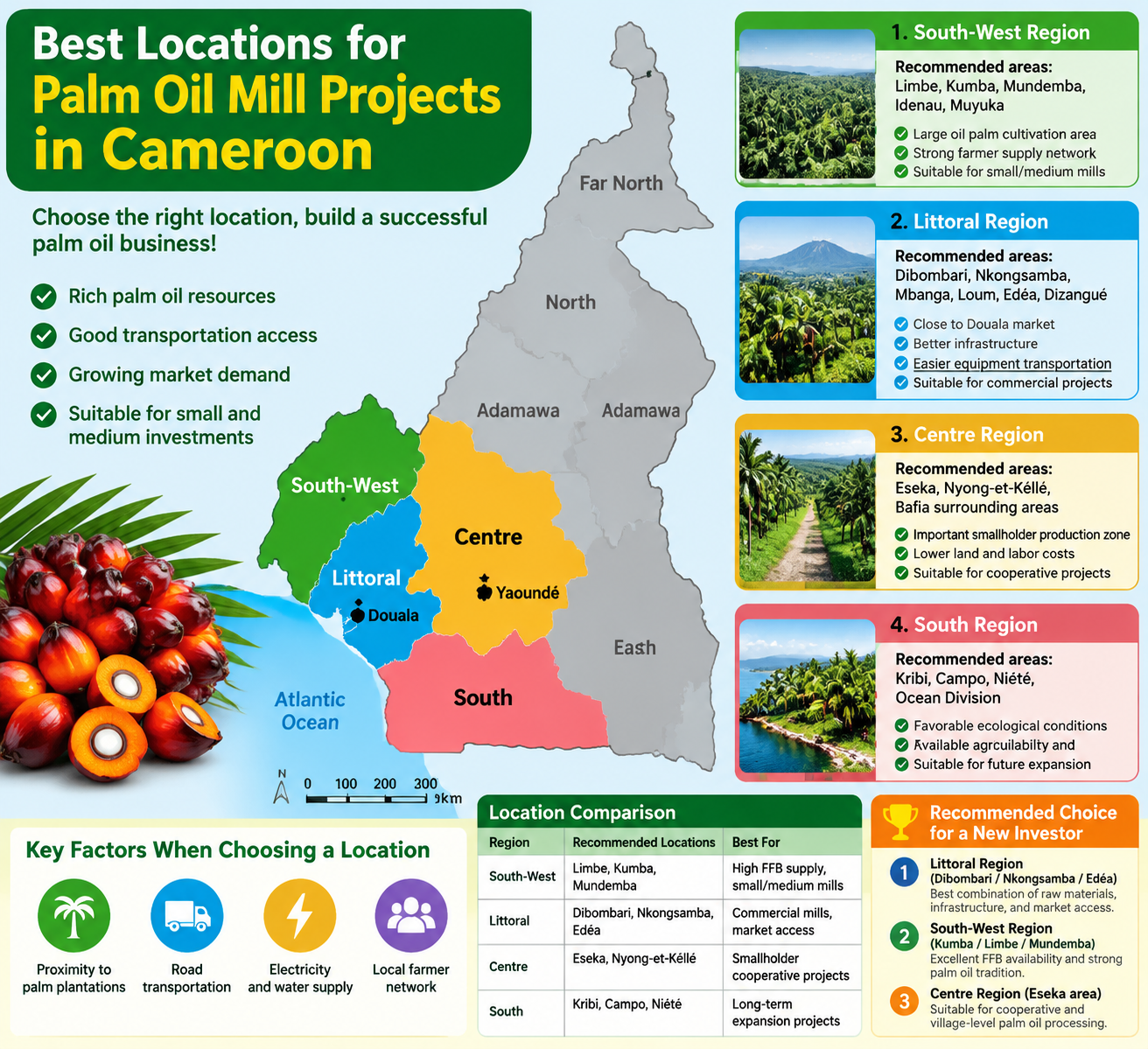
Potential locations include:
These areas have favorable climates and significant oil palm cultivation.
Compared with traditional processing methods, a semi-automatic palm oil mill offers:
For investors starting a palm oil business in Cameroon, a 1–5 TPH semi-automatic palm oil processing line is usually a practical choice.
Q1: What is the minimum capacity of a small palm oil mill?
A: Small mills can start from around 1 TPH FFB capacity, suitable for village-level and cooperative processing.
Q2: How much does a small palm oil mill cost in Cameroon?
A: The investment can range from tens of thousands to several hundred thousand US dollars depending on capacity and automation.
Q3: Can a small palm oil mill process palm kernels?
A: Yes. A kernel recovery section can be added to produce palm kernels and palm kernel oil.
Q4: Is palm oil production profitable in Cameroon?
A: Profitability depends on FFB supply, oil yield, labor costs, market price, and plant management. Establishing the mill close to palm plantations is a key factor.
Q5: What services are needed for a turnkey palm oil mill project?
A: A complete project normally includes process design, equipment supply, installation, commissioning, and technical support.


Palm Oil Production Line
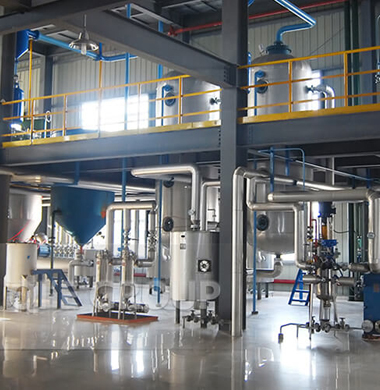
Palm Oil Refinery Plant
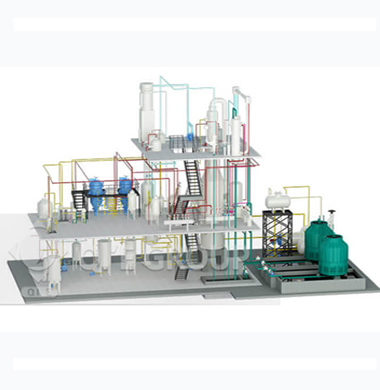
Palm Oil Fractionation Plant

Small Scale Palm Oil Processing Plant
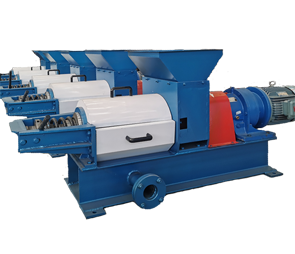
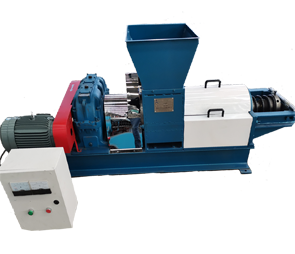
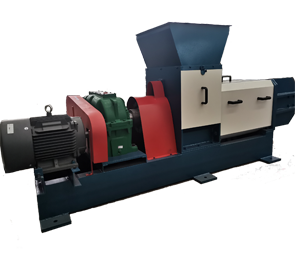
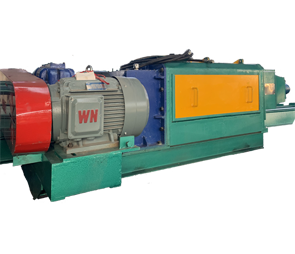
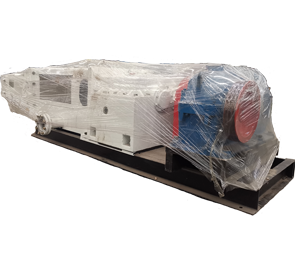
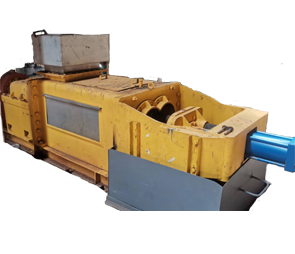
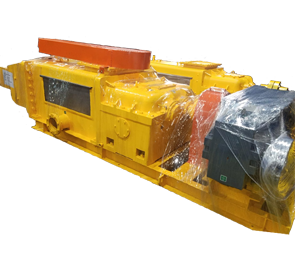
QIE Machinery offers a complete range of core equipment and related auxiliary equipment for palm oil solutions.
Whether you contact us by phone, email, or leave a message online, we will provide you with comprehensive and high-quality services.
Phone: 0086-13949113983
WhatsApp:
Email: qiea@oilpresses.org
Address: No.352 Lianhua Street, Hightech Industrial Development Zone, , Zhengzhou City,Henan Province, China