QIE Machinery
QIE Machinery
QIE Machinery
QIE Machinery

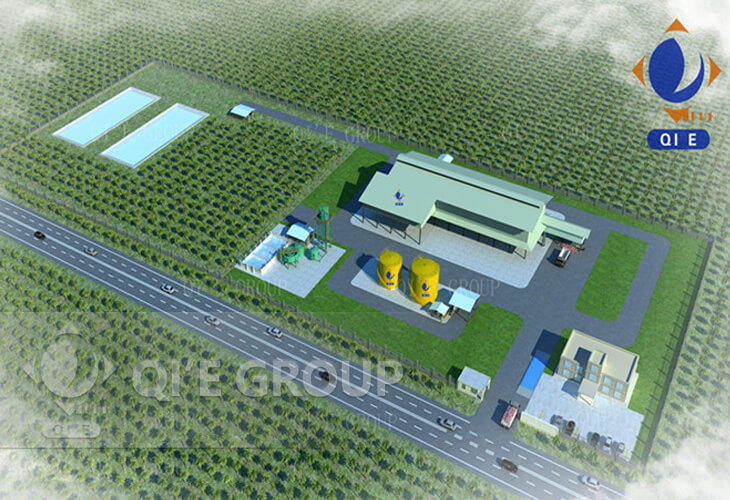
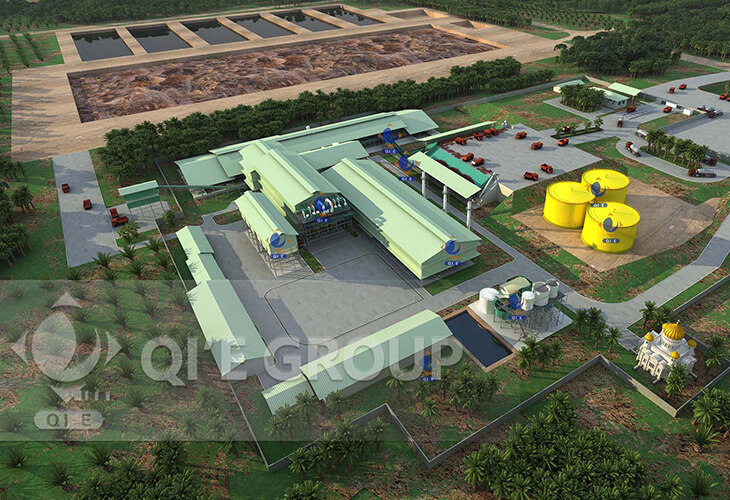
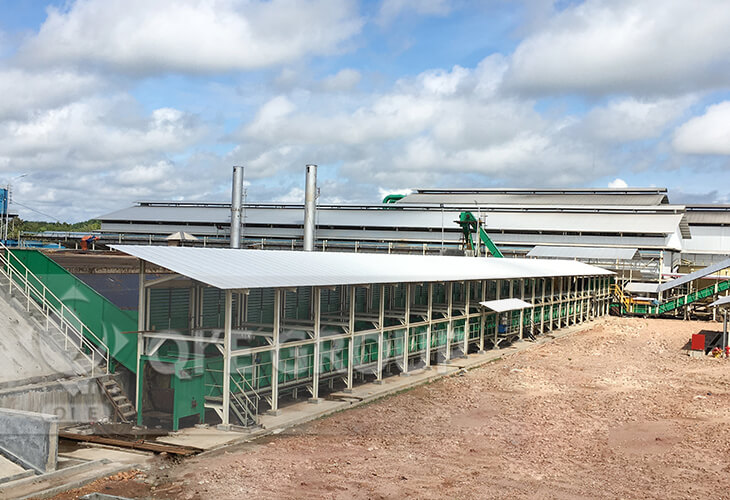
A 2TPH complete palm oil mill plant is a highly efficient, small-to-medium scale industrial solution designed to transform fresh fruit bunches (FFB) into high-quality crude palm oil (CPO) with minimal waste. This turnkey system integrates several specialized stations—including sterilization, threshing, digestion, and double-screw pressing—to ensure maximum oil extraction while maintaining low levels of free fatty acids (FFA). Engineered for durability and ease of operation, a 2TPH facility can process approximately 16 to 48 tons of FFB per day depending on shift length, making it an ideal investment for regional cooperatives or private entrepreneurs looking to scale up from manual processing to mechanized production. By combining modern filtration and vacuum drying technologies, the plant delivers a refined crude product that meets international standards for further refining or direct industrial use.
We specialize in the production of various palm oil extraction machine equipment, the main products are small 1-5TPH Complete Palm Oil Mill Plant. Palm fruit oil processing equipment has been sold to Indonesia, Thailand, Nigeria, Cameroon, Ghana, Cote d ‘Ivoire, Benin, Congo, Burkina Faso and so on.
FFB(Palm fruit bunches)–Sterilizing–Thershing–Digesting–Pressing–Clarifying–Filtering–Drying–Crude palm oil
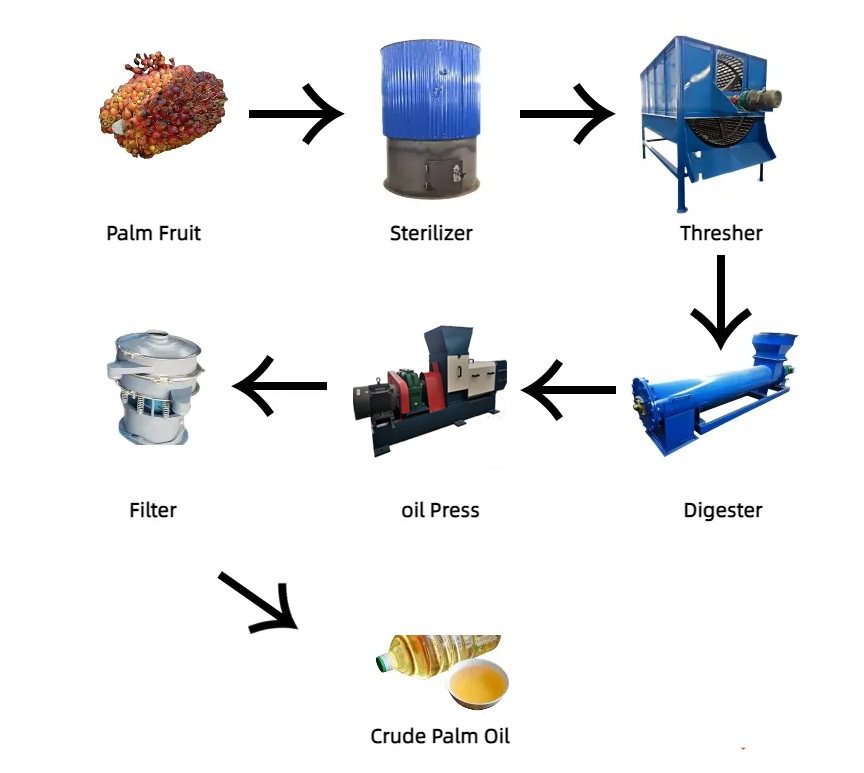
1.Receipt of fruit : Automatic metering and unloading of materials, increase the production efficiency. The fruit cage pushes and pulls along the fixed track and operates mechanized, saving time and effort.
2.Sterilization : Sterilization can be divided into two types, one is a horizontal sterilizer sterilizing tank and the other is a vertical sterilizer sterilizing tank. In comparison, because the horizontal sterilization takes up a large area and the steam consumption is large, it is a relatively traditional sterilization method. The vertical sterilization is based on the improvement of horizontal sterilization. It consumes less, saves resources, and is used more and more widely
3.Threshing: The purpose of threshing is to separate the oil palm fruit from the fruit string by strong rotational vibration. The fruit removal equipment is a drum type fruit remover. The separated oil palm fruit is discharged into the press section. The empty fruit string is discharged from the other end of the drum to the yard or transported to or from the factory area for recycling of palm orchard cover, or on-site incineration as a fertilizer applied to the farmland. The adjustment mechanism of the fruit remover can adjust the delivery speed of the ear.
4. Digesting: The palm fruit masher is suitable for the smashing of cooked palm granules, so that the heating and humidifying mashing effect before the squeezing is better, the squeezing oil yield is effectively increased, and the squeezing process is reduced in the subsequent squeezing section. Walking oil.
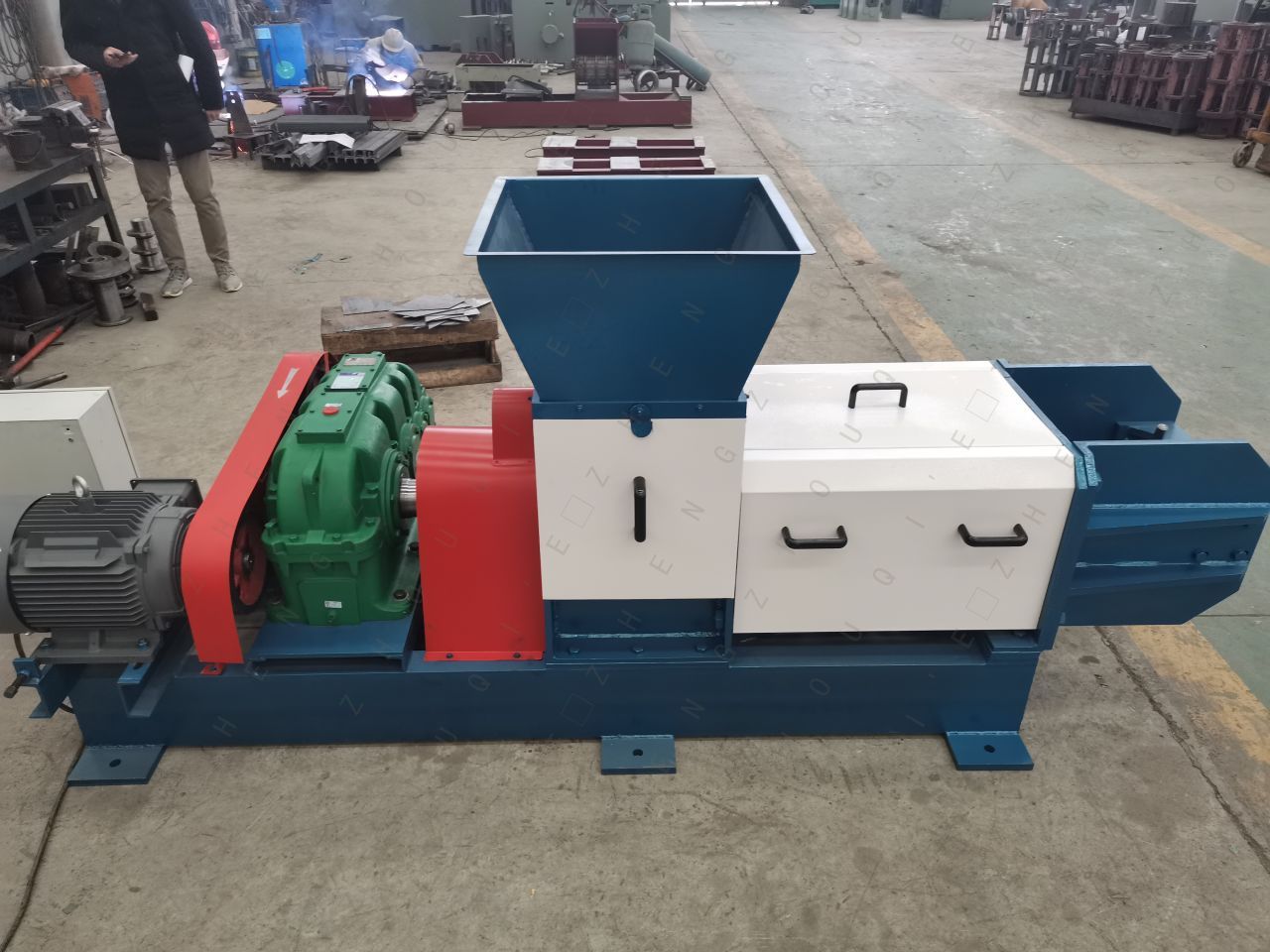
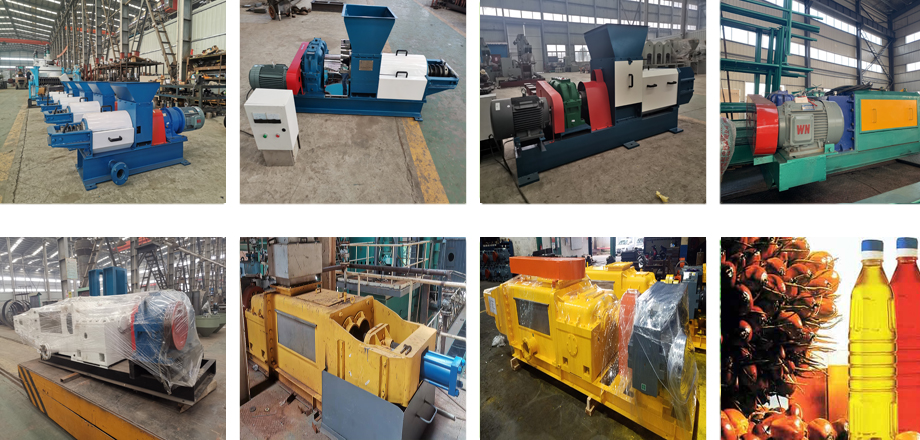
5. Oil Pressing: With advanced continuous double screw palm fruit oil press, hydraulic automatic control system that can adjust the pressing pressure, high oil extraction efficiency, low residue of cake residue and low breakage rate of palm kernel.
6. Clarification: Separation of major impurities (such as silt, fiber, etc.) in the oil by means of natural sedimentation
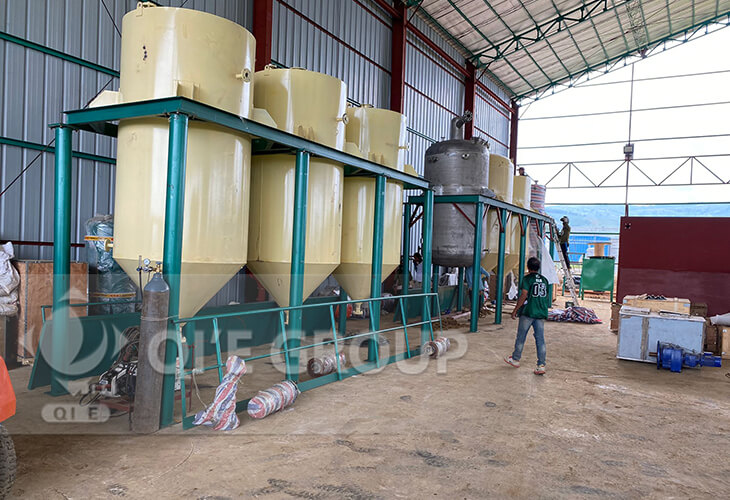
7. Vacuum Drying: As the fresh palm fruit contains moisture, and it also enters a lot of moisture during the cooking and fermenting stage, so when the palm oil squeezed out , it contains a lot of water. If it is not dehydrated promptly, the palm oil will quickly deteriorate and spoil. and the palm oil dehydration equipment uses vacuum heating to quickly dehydrate palm oil.
As palm oil becomes more and more accepted, the palm oil business is becoming more and more popular with investors, and small palm oil mills are increasingly becoming the first choice for people to invest in building their own mills, thanks to their advantages.
Sterilizer Tank: Uses high-temperature steam (approx. 145°C) to soften fruit and deactivate enzymes that increase free fatty acids.
Rotary Drum Thresher: Separates palm fruit from the bunches with an efficiency rate of up to 98%.
Palm Fruit Digester: Crushes and breaks down the fruit pulp’s cell walls at 90–95°C to prepare it for maximum oil release during pressing.
Double Screw Palm Oil Press: The primary extraction machine. A 2TPH line specifically utilizes a double screw design for higher efficiency and lower residual oil (often <6%) compared to single-screw models.
Vibrating Screen: Removes large solids and debris from the crude oil.
Clarification Tank: Uses gravity to separate heavier impurities like sand and stones.
Plate and Frame Filter Press: Performs fine filtration to remove microscopic impurities, resulting in clean CPO.
Vacuum Drying System: Removes residual moisture to prevent oil oxidation and extend shelf life during storage.
Steam Boiler: Essential for providing the steam required for sterilization and digestion.
Conveyors & Elevators: Includes screw conveyors, bucket elevators, and scraper conveyors to move materials between stations.
Power Control System: A central electric control cabinet to manage the automated sections of the line.
Kernel Recovery Section: For separating the nut from the fiber after pressing, which can be further processed for palm kernel oil (PKO).
Collect enough raw material—— palm nuts or palm kernel
The stable supply of high quality palm nuts or palm kernel is pre-condition for the normal running of your palm oil processing plant.
Find a suitable location to set up your palm oil factory
Choosing the location to set up your palm oil factory is also important for further operation. Generally, a location close to palm production place and palm oil selling market would be perfect, since it can save transportation cost. Certainly, whether it needs to rent or buy a land or area is all based your actual conditions.
Conduct effective market analysis
The effective market research is the strategic base of your project investment. It is necessary to know who you are going to sell your final palm oil to, and how large you can take up the market share. Having a good master of palm oil demand of your target market will help make right decision on the capacity of your palm oil production line and make a reasonable marketing plan.
Choose a suitable palm oil processing machine supplier
When you have good considerations about above mentioned problems. The next step is find a suitable reliable palm oil processing machine supplier. A good supplier of palm oil processing machine can not only supply the most suitable palm oil processing solution, but also supply equipment at factory price. In the long term, a good equipment supplier can also ensure the smooth operation of the whole palm oil processing plant project and the quick solution of problems in the later production process.
How many workers are needed to operate the 2tph palm oil mill plant?
Modern semi-continuous or automated 2TPH palm oil mill lines are designed for high efficiency and typically only require 2 to 3 workers per shift to run the entire processing line.
What are the typical maintenance costs?
Engineers estimate annual maintenance costs at approximately 3% of the initial startup cost. Regular maintenance of the double-screw press and thresher is vital to prevent downtime.
Can I process palm kernels with this palm oil mill plant?
A standard 2TPH palm oil mill focuses on the fruit pulp (mesocarp). However, you can add a Palm Kernel Oil (PKO) extraction line as a downstream process. This usually includes a kernel cracker, separator, and a specialized PKO expeller.
What is the expected oil yield?
Using a professional 2TPH palm oil mill line with a drum thresher (99% removal rate) and double-screw press (low residual oil rate) allows for an Oil Extraction Rate (OER) of 18%–22%, depending on FFB quality.
How much does a complete 2TPH palm oil mill cost?
The cost varies significantly based on the level of automation and the quality of materials (e.g., carbon steel vs. stainless steel).
Automated Full Line: A standard 1–5 TPH automated factory usually ranges from $100,000 to $260,000.
Simple/Semi-Automated Setup: For smaller budgets, a “simple type” line (thresher, press, and filter) can range from $7,500 to $14,000.
Procurement Estimate: Specific 2TPH production lines are often quoted between $150,000 and $220,000 for a full equipment suite.


Palm Oil Production Line
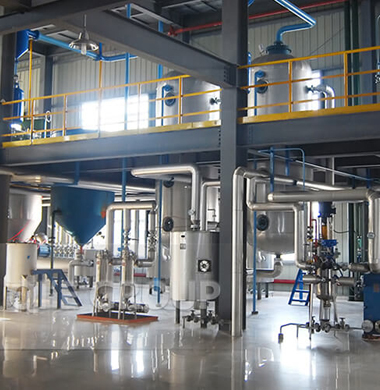
Palm Oil Refinery Plant
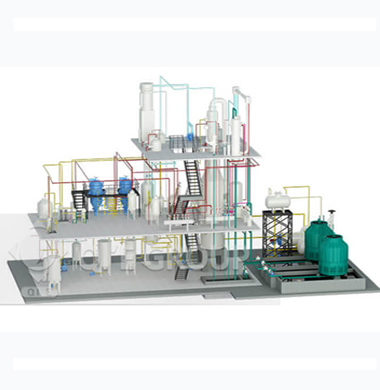
Palm Oil Fractionation Plant

Small Scale Palm Oil Processing Plant
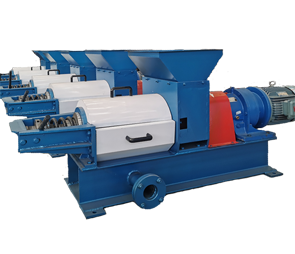
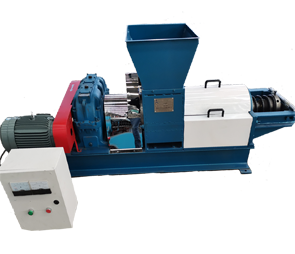
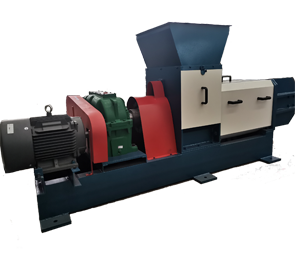
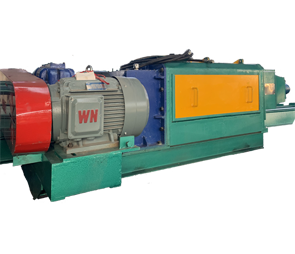
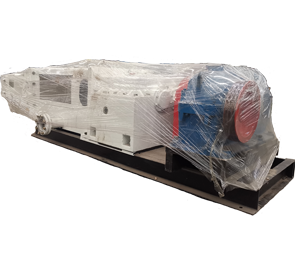
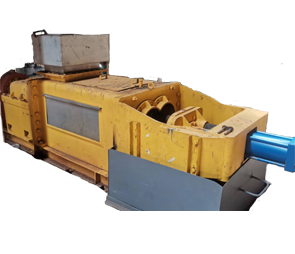
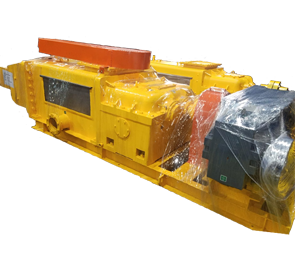
QIE Machinery offers a complete range of core equipment and related auxiliary equipment for palm oil solutions.
Whether you contact us by phone, email, or leave a message online, we will provide you with comprehensive and high-quality services.
Phone: 0086-13949113983
WhatsApp:
Email: qiea@oilpresses.org
Address: No.352 Lianhua Street, Hightech Industrial Development Zone, , Zhengzhou City,Henan Province, China