QIE Machinery
QIE Machinery
QIE Machinery
QIE Machinery

The palm oil market in Brazil represents a highly strategic, fast-growing agricultural sector positioned as South America’s secondary powerhouse for tropical oil production. Unlike the rapid land-clearing model seen historically in parts of Southeast Asia, Brazil has structured its industry around aggressive environmental preservation, mandatory sustainability frameworks, and a soaring domestic biofuel mandate.
Feasibility Analysis:
The Brazil Palm Oil Processing Plant Business Feasibility Study looks at assessing the potential feasibility of establishing a palm oil milling plant in Brazil. It provides investors with comprehensive information by examining the country’s abundant palm resources, demand trends in the palm oil market, and technological and environmental factors.
Site Selection:
In the business of investing in palm oil processing mills in Brazil, site selection is a crucial decision. Choosing the right location not only directly affects the factory construction process and the size of the investment, but also has a profound impact on the local economy, environment, agriculture and society. Factors such as climatic conditions, land availability and the surrounding environment are key to ensuring the long-term planning and sustainability of a palm oil mill.
Local Regulations:
Familiarize yourself with Brazil regulations governing palm oil processing. Obtain necessary permits and approvals from relevant government agencies.
Cost Analysis:
Establishing a palm oil processing plant in Brazil is a lucrative opportunity, and a careful understanding of the associated costs is key to success. Key steps include the cost of acquiring suitable land, infrastructure costs, processing machinery costs, and various management and operational costs.
Plant Layout and Design:
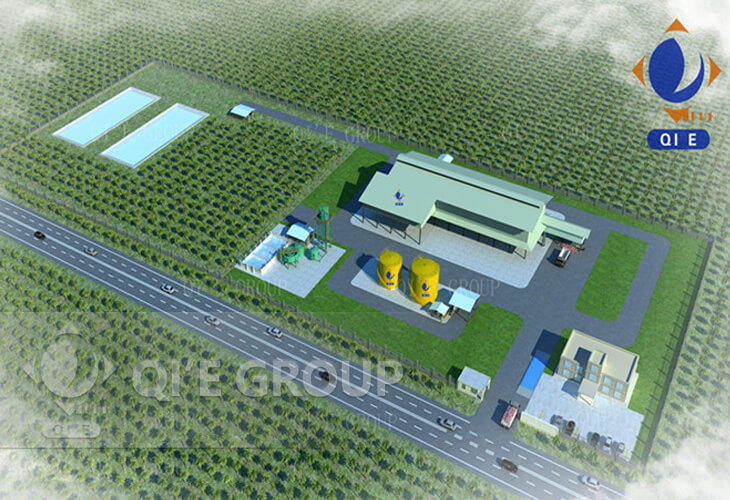
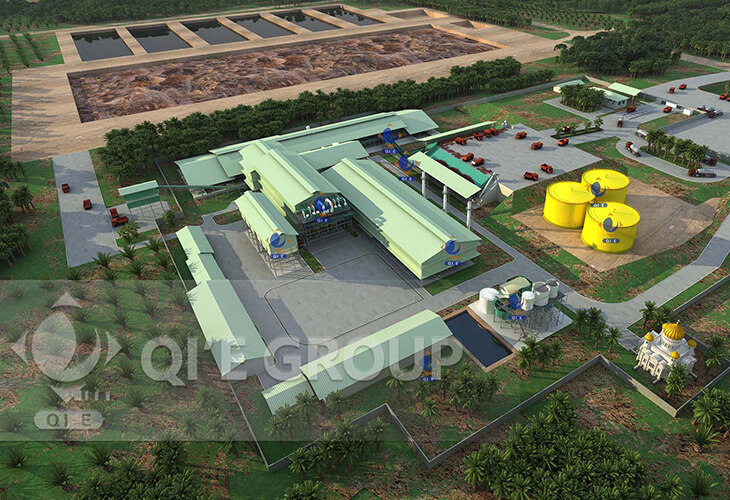
Palm oil mill layout design is crucial, affecting production efficiency and operational safety. QIE Machinery has extensive experience in providing professional technical support to design the mill and equipment layout according to the actual situation. The design should follow the palm oil production process and ensure that machines is properly arranged to facilitate smooth production.
Equipment Selection:
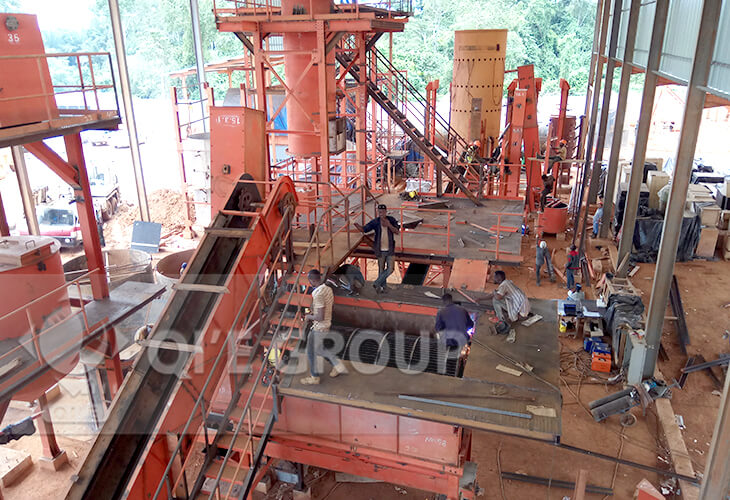
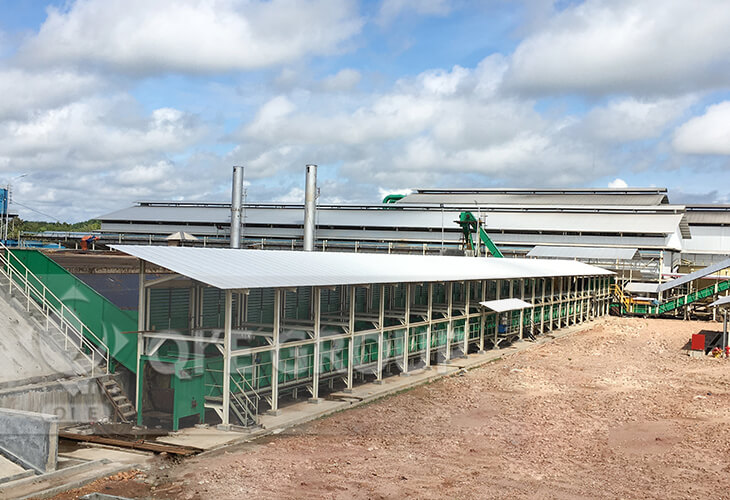
When setting up a palm oil processing plant in Brazil, choosing the right processing machinery is critical, affecting productivity, cost, reliability and environmental sustainability. QIE Machinery can provide you with expert guidance in equipment selection, with our solutions focusing on meeting process requirements, prioritizing high efficiency and low energy consumption.
Environmental Impact:
Investors in the palm oil industry are increasingly aware of the environmental impact of palm oil mill effluent (POME). By understanding the sources of POME, including its origins in the palm oil production process, investors can implement strategies to minimize the amount of wastewater generated and reduce environmental risks.
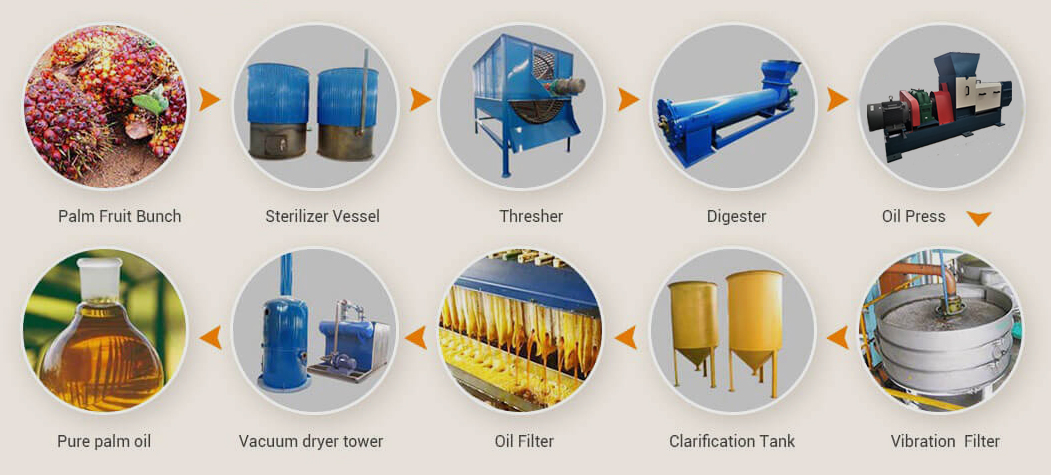
Oil palm fruit bunches → Sterilizing → Threshing → Digesting → Screw/Hydraulic pressing → Filtration → Crude palm oil
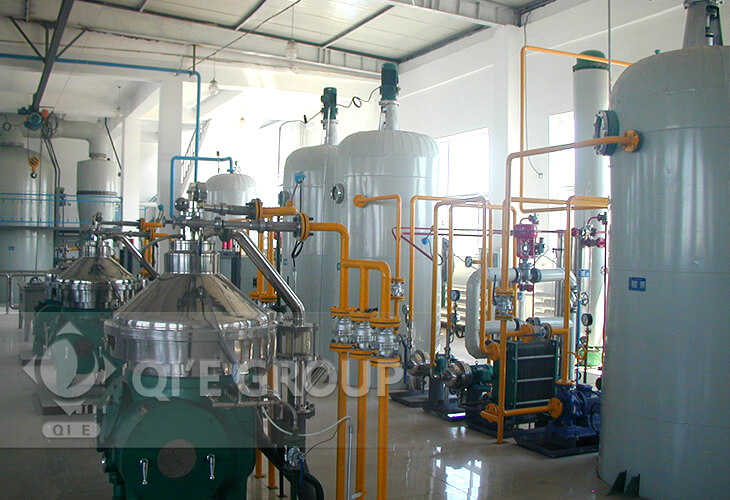
Crude palm oil → Degumming → Deacidification → Decolorization → Deodorization → Refined palm oil
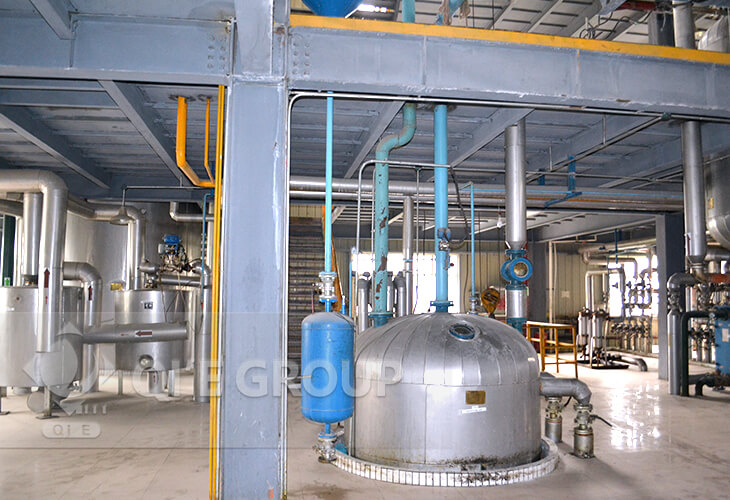
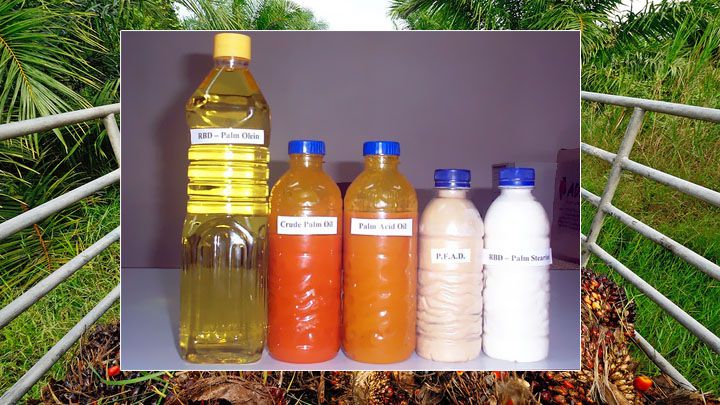
Refined Palm Oil → Heating Section → Crystallization Section → Filtration Section → Palm Soft Fat + Palm Stearin
After refining palm oil, crystals will precipitate at low temperatures, so fractionation may be an option for the stability of the oil in storage or for different applications.
The future of the Brazilian palm oil market is characterized by rapid, sustainable expansion, driven by a strict national regulatory framework and a massive surge in energy-sector demand. Unlike traditional producers in Southeast Asia, Brazil has successfully decoupled production growth from rainforest deforestation. By utilizing advanced agricultural zoning and targeting millions of hectares of pre-degraded pasture lands, the country has positioned itself as the premier global frontier for certified, eco-friendly tropical oil cultivation.
The primary driver accelerating the prospects of the Brazilian palm oil sector is the rapid transformation of the national energy matrix. Brazil’s mandatory biodiesel blending requirements continue to scale upward, forcing domestic fuel distributors to actively secure massive volumes of high-yield vegetable oils. Simultaneously, global energy conglomerates are pouring billions of dollars into constructing Hydrotreated Vegetable Oil (HVO) and Sustainable Aviation Fuel (SAF) biorefineries across the northern states. Because palm oil and palm kernel oil (PKO) offer the highest oil yield per hectare of any commercial crop, they are the preferred feedstocks for these major renewable fuel projects, ensuring a recession-proof, high-volume domestic market for decades to come.
QIE Machinery is a professional company with over 40 years of experience, specializing in the manufacture of palm oil processing equipment and the turnkey construction of palm oil mills.
Our equipment meets the highest quality standards, ensuring efficient and reliable operation of your production lines. We provide comprehensive services ranging from planning and design to equipment manufacturing and plant construction. Leveraging our industry-leading expertise, we deliver exceptional solutions that drive the thriving growth of the palm oil industry.


Palm Oil Production Line
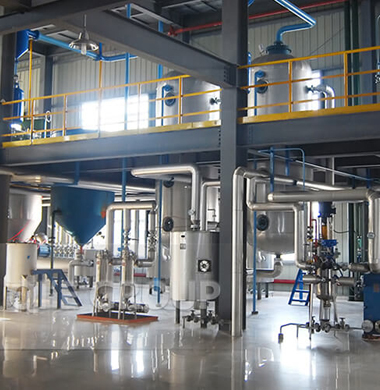
Palm Oil Refinery Plant
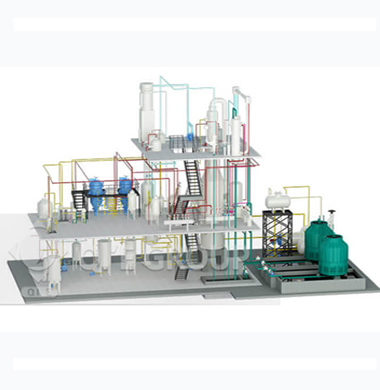
Palm Oil Fractionation Plant

Small Scale Palm Oil Processing Plant
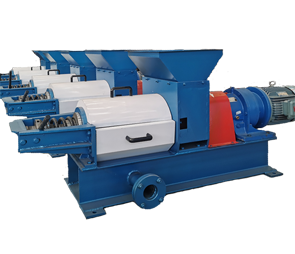
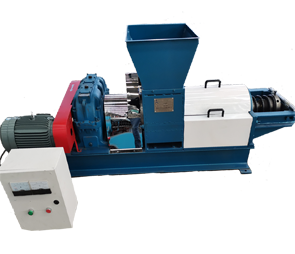
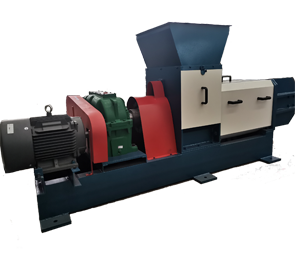
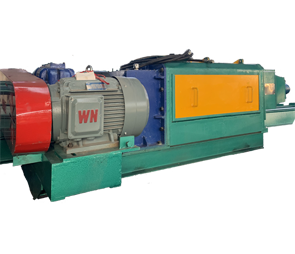
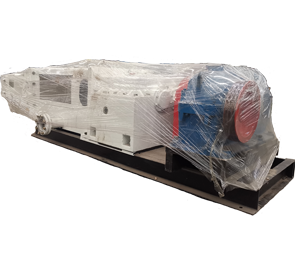
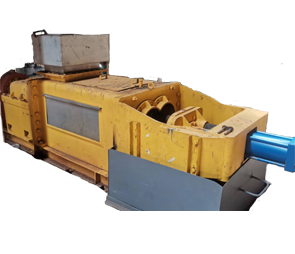
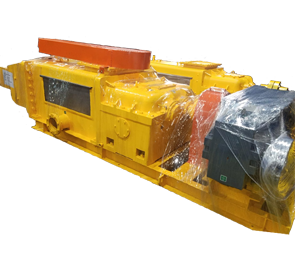
QIE Machinery offers a complete range of core equipment and related auxiliary equipment for palm oil solutions.
Whether you contact us by phone, email, or leave a message online, we will provide you with comprehensive and high-quality services.
Phone: 0086-13949113983
WhatsApp:
Email: qiea@oilpresses.org
Address: No.352 Lianhua Street, Hightech Industrial Development Zone, , Zhengzhou City,Henan Province, China