QIE Machinery
QIE Machinery
QIE Machinery
QIE Machinery

Nigeria is Africa’s largest producer of palm oil and ranks fifth globally. Palm oil remains a core staple of Nigerian cuisine and a critical raw material for local manufacturing. It is absolutely a lucrative endeavor to Start Palm Oil Refining Business in Nigeria due to the huge demand locally and globally. The main production area of palm oil is: Indonesia, Nigeria, Thailand, Columbia, Cote d’Ivoire, Papua New Guinea, Honduras, Ecuador, Brazil etc.
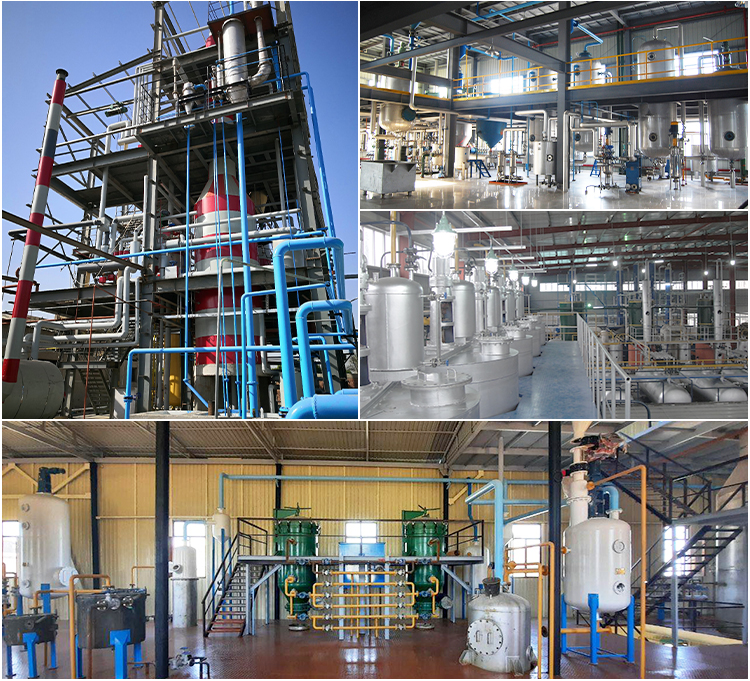
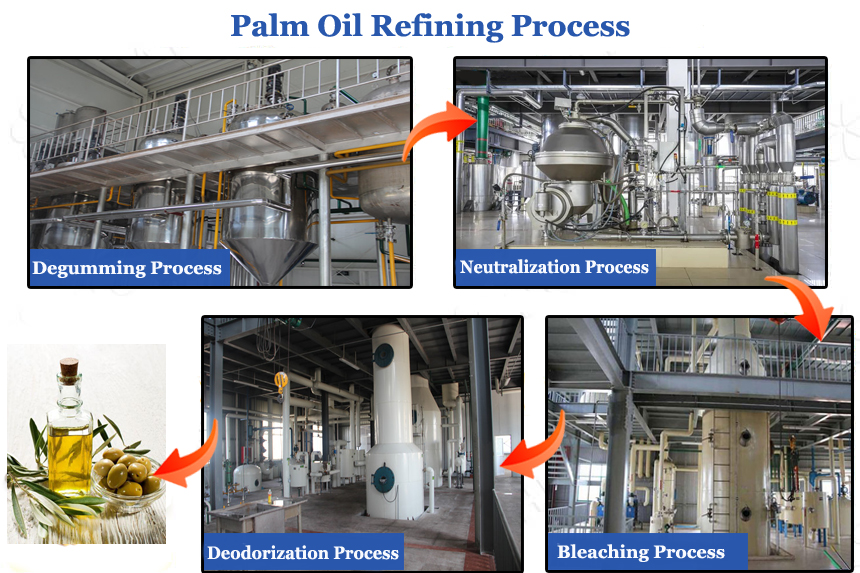
Complete palm oil refinery plant is used to get high quality palm oil by using a series machines to remove the process of degumming, deacidification, decolonization and deodorization. According to the processing capacity of palm oil and the customer’s budget, palm oil refining equipment can also be divided into batch refining equipment, semi-continuous refining equipment and fully continuous refining equipment.👉(10TPD Palm Oil Refinery Plant Machine in Nigeria)
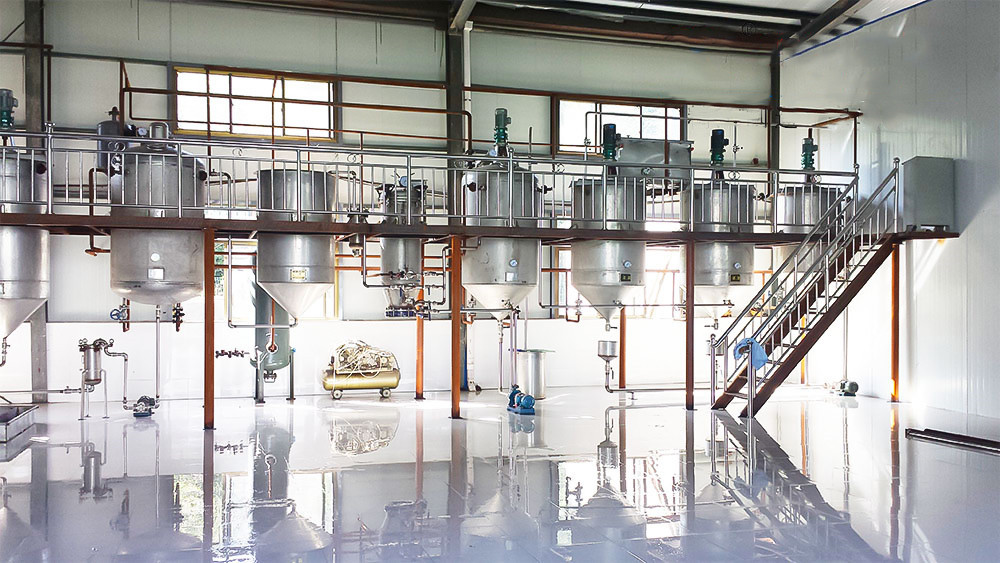
During palm oil refining process, there are two refining methods can be used, they are chemical refining of palm oil and physical refining of palm oil. The main difference between physical refining and chemical refining of palm oil lies in the way that how to remove FFA. Chemical refining removes the FFA in the deacidification section while physical refining removes the FFA in the deodorization section.
Physical refining of palm oil is during the process of distillation to remove the free fatty acids, which is one stage of deodorization.
Chemical refining of palm oil removes the phosphatides (gums) in two steps–degumming and deacidification, or in one single process—neutralization. The chemical method is more suitable for oils with high phospholipid levels, like cottonseed oil which contains gossypol that can only be conveniently removed by alkali treatment.
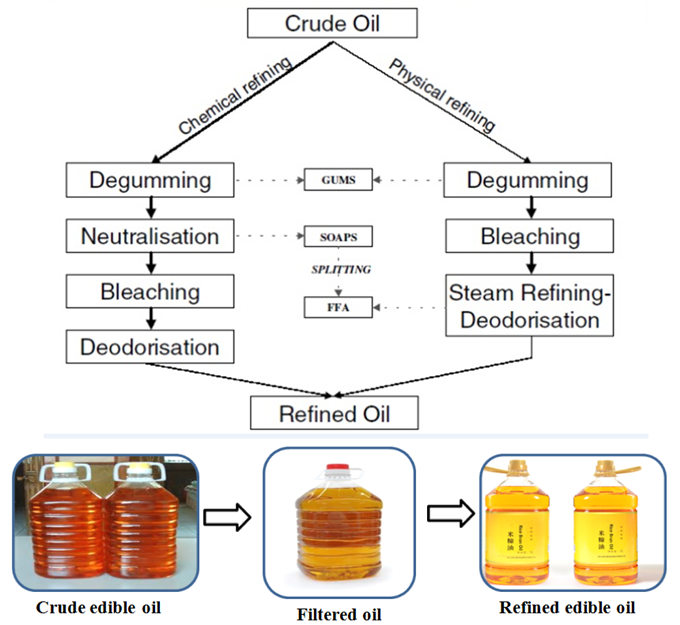
Capacity: 1~20T/D
Features:
Low Investment Cost & Small Factory Areas
Easy Operation & Full Oil Refining Functions
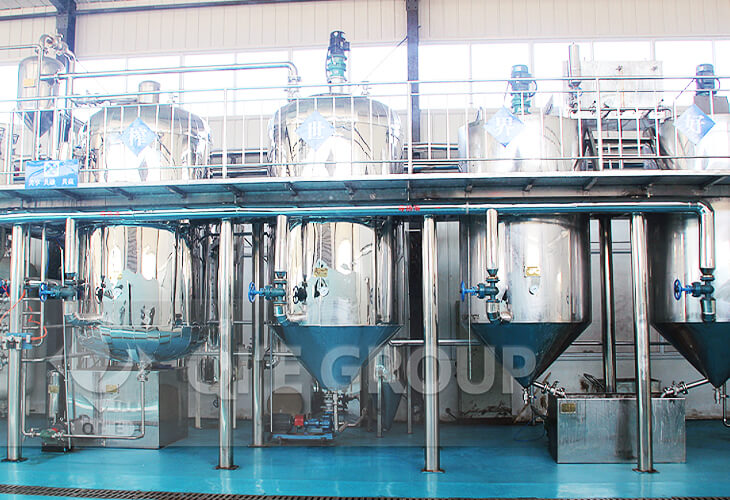
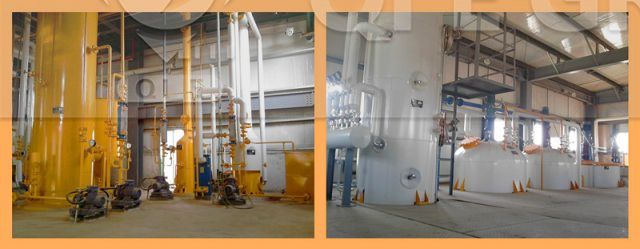
Capacity: 10 ~50T/D
Features:
Much efficient than batch oil refining machine
Requires more cost
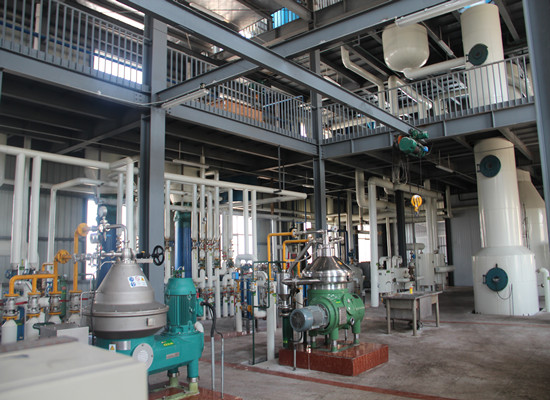
Capacity: 30T/D above
Features:
Automatic and continuous oil refining process
Requires large investment and covers large space
👉(How to Start a Palm Oil Refining Business?)
It is evident that the process of refining crude palm is complex. A good crude palm oil refining machine and method should be used in refining crude palm oil since it highly determines the extent of removal of undesired impurities for the quality of the refined palm oil. If you are interested in setting up edible oil plant for processing palm fruits in Nigeria, welcome contact us!
Why is a Vertical Leaf Filter used instead of a standard plate-and-frame filter?
Vertical leaf filters are standard in bleaching sections because they operate as a completely enclosed, automated pressure system. This prevents hot, bleached oil from contacting air (avoiding oxidation) and allows for automated cake discharge. This eliminates the heavy manual labor and oil loss associated with cleaning traditional cloth filter presses.
What are the critical vacuum levels required for the system?
Bleaching Section: Needs a moderate vacuum of 50 to 100 mbar to prevent the oil from oxidizing while mixing with the bleaching earth at high temperatures.
Deodorizing Section: Requires an ultra-high vacuum of 2 to 5 mbar. Any loss in vacuum directly spikes steam consumption, slows down FFA stripping, and causes the oil to darken due to thermal degradation.
Why is my refined cooking oil turning cloudy at room temperature?
This indicates incomplete Fractionation. Palm oil is a complex mix of fats. If the crystallization cooling curve is too rapid, or if the membrane filter press fails to apply enough pressure, solid stearin crystals will bleed into the liquid olein. This causes the cooking oil to cloud or solidify prematurely when stored on retail shelves.
Why is a Fractionation unit critical for a “Complete” plant setup in Nigeria?
Without a dry fractionation unit, your plant can only produce RBDPO (a cloudy semi-solid fat at room temperature). Nigeria’s consumer retail market overwhelmingly demands clear, liquid cooking oil (RBD Palm Olein). Squeezing maximum profit out of your plant requires splitting RBDPO into liquid Olein (cooking oil) and solid Stearin (industrial fat).
What are the main recurring operational expenses (OPEX) in Nigeria?
Feedstock: Purchasing Crude Palm Oil (CPO) accounts for roughly 75% to 80% of total OPEX.
Energy: Diesel or gas for industrial generator sets to bypass grid instability.
Consumables: Continuous replacement of phosphoric acid, activated bleaching earth, and filter cloths.Logistics: Long-distance trucking costs to move CPO from rural mills to urban processing plants.


Palm Oil Production Line
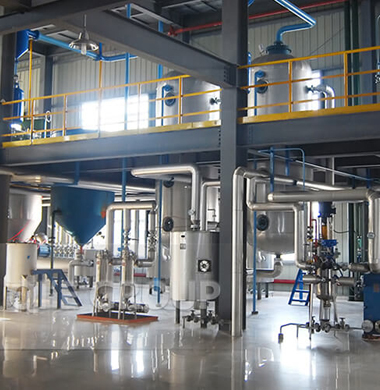
Palm Oil Refinery Plant
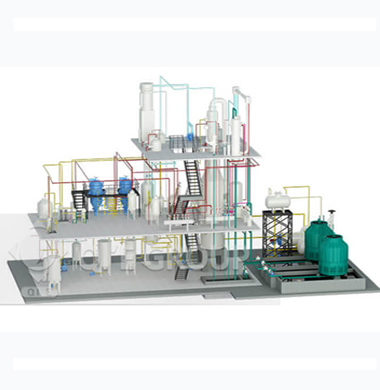
Palm Oil Fractionation Plant

Small Scale Palm Oil Processing Plant
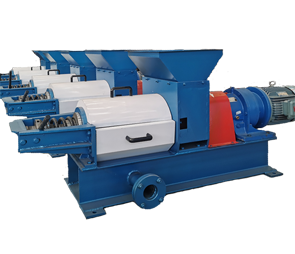
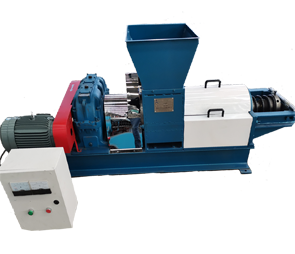
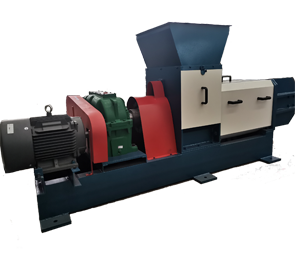
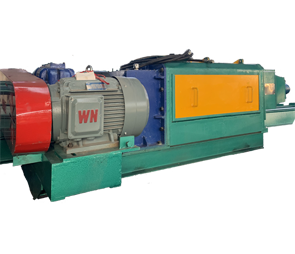
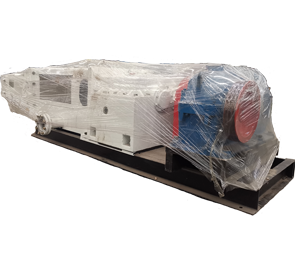
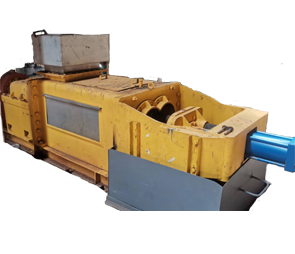
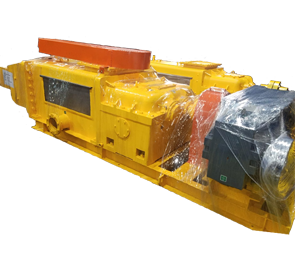
QIE Machinery offers a complete range of core equipment and related auxiliary equipment for palm oil solutions.
Whether you contact us by phone, email, or leave a message online, we will provide you with comprehensive and high-quality services.
Phone: 0086-13949113983
WhatsApp:
Email: qiea@oilpresses.org
Address: No.352 Lianhua Street, Hightech Industrial Development Zone, , Zhengzhou City,Henan Province, China