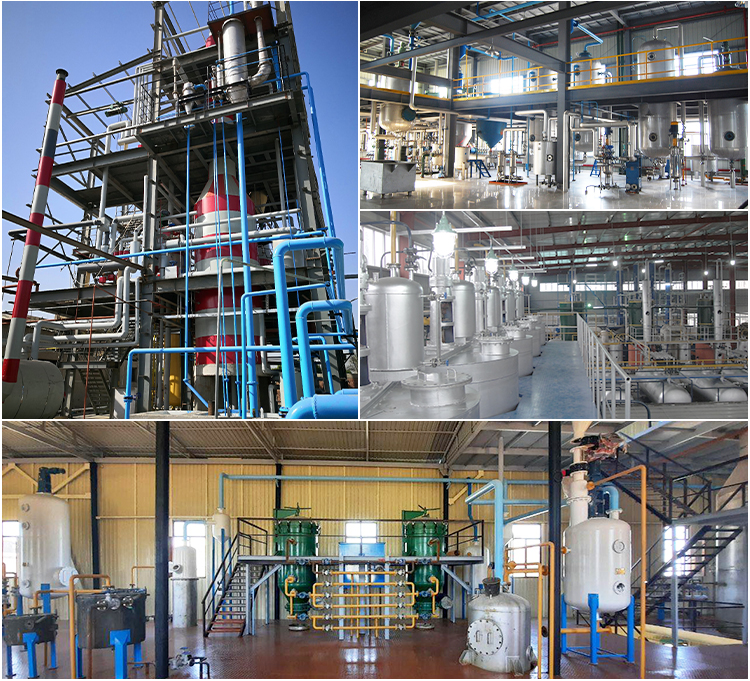
QIE Machinery
QIE Machinery
QIE Machinery
QIE Machinery

The palm oil chemical refining process, also known as alkali refining, removes free fatty acids (FFAs) from crude palm oil (CPO) by reacting them with a chemical base, typically caustic soda (NaOH). This method is the traditional standard and is particularly useful when handling crude oil with fluctuating quality or specific impurities like gossypol that require alkali treatment.
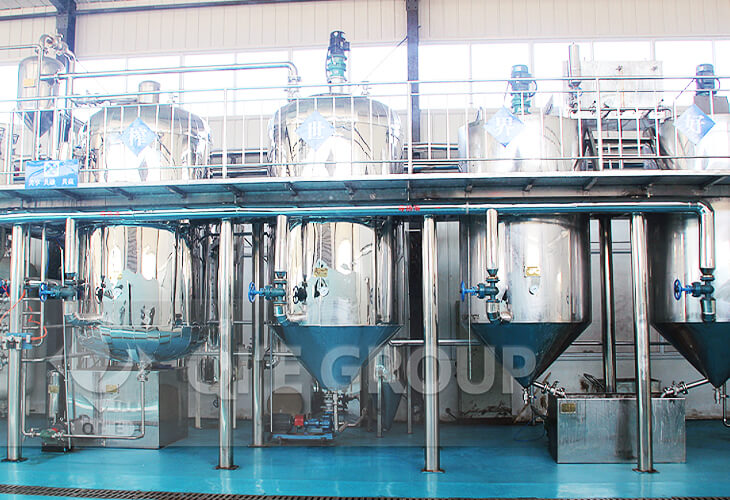
Chemical refining (alkali refining) of palm oil involves removing impurities through chemical reactions rather than just physical separation.
Degumming: Crude palm oil is mixed with hot water or food-grade phosphoric acid. This converts non-hydratable phospholipids (gums) into hydrated phospholipids, which precipitate and are removed to prevent oxidation and improve stability.
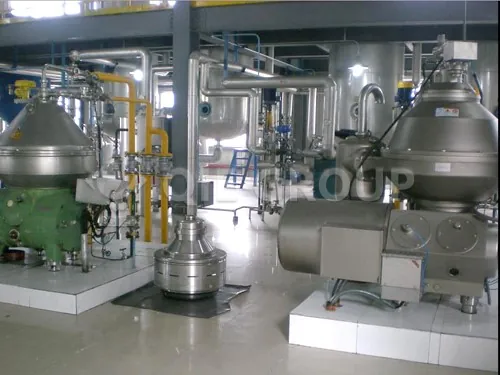
Neutralization (Deacidification): This is the defining stage of chemical refining. An alkali solution, usually caustic soda (NaOH), is added to the oil to react with free fatty acids (FFAs). This reaction forms soapstock, which is then separated from the neutral oil via centrifugation.
Bleaching (Decolorization): The neutralized oil is mixed with adsorbents like activated clay (white clay) or activated carbon under a vacuum. This removes color pigments (carotenoids), trace metals, and residual soap particles to improve the oil’s color and purity.
Deodorization: The bleached oil is heated to high temperatures (240℃–260℃) under high vacuum. Superheated steam is used to strip away volatile odorous compounds, peroxides, and any remaining trace FFAs to produce a bland, stable final product.
Fractionation (Optional): The refined oil is often slowly cooled to separate it into liquid palm olein (used for cooking) and solid palm stearin (used for margarine and fats).
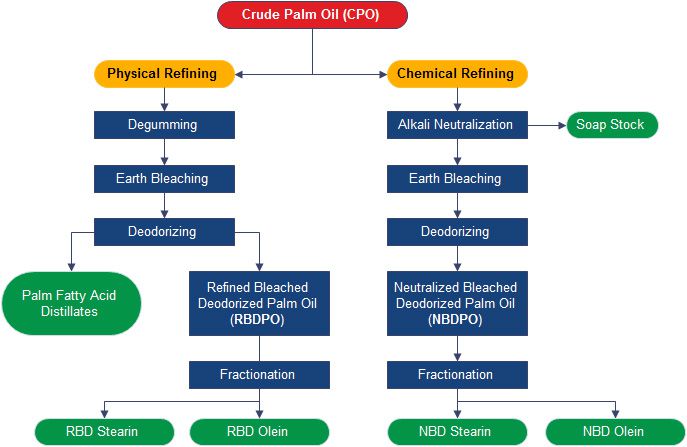
Physical Refining of Palm Oil
Physical refining is also known as steam refining. In degumming process, it utilizes citric acid or food grade phosphoric acid to remove natural gums in the form of phosphatides. Then, in bleaching process, under vacuum, Fuller’s Earth is used to remove colouring matters and adsorb any metal ions. The deacidification and deodorization process is under high temperature and low pressure. By used of live steam, the FFA is stripped of. The steam is then recovered together with the entrained oil is as palm fatty acid distillate. The off-flavors and odours can also be removed from the crude palm oil in the steam distillation process. Before polishing, the refined oil needs to be cooled to 55°C.
Chemical Refining of Palm Oil
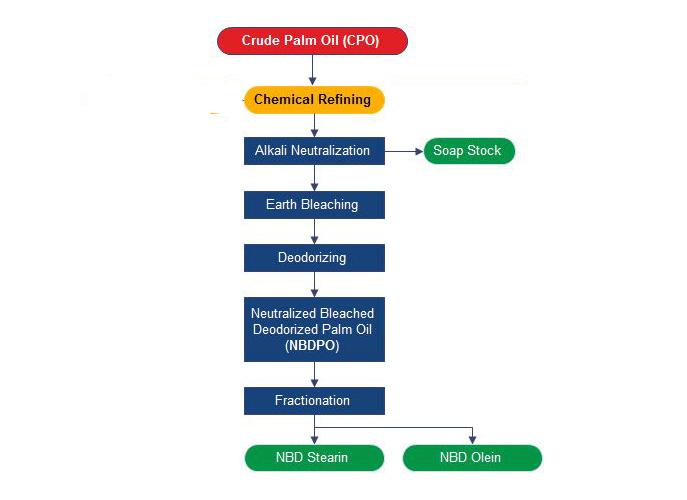
In the chemical refining process, the FFA is removed by neutralisation with caustic soda (sodium hydroxide). This chemical reaction produces neutralised CPO and a soap stock. By used of a high-speed separator, the soap stock can be separated from the oil. Then, through earth bleaching, colour pigments and metal ions are removed from the neutralised oil. Then, in deodorization process, odoriferous matters such as ketones and aldehydes are removed by steam distillation under vacuum.
The choice between physical and chemical refining depends primarily on the quality of the crude palm oil (CPO) and the desired efficiency. Physical refining is the industry standard for palm oil due to its high Free Fatty Acid (FFA) content and low gum content.
| Feature | Physical Refining | Chemical Refining |
|---|---|---|
| Primary Mechanism | Steam distillation under vacuum | Chemical neutralization (Caustic Soda) |
| FFA Removal | High-temp steam stripping | Reaction with NaOH to form soapstock |
| Oil Yield | Higher (~98.9% recovery) | Lower (~98.6% recovery) |
| Main By-product | Palm Fatty Acid Distillate (PFAD) | Soapstock (Acid Oil) |
| Chemical Use | Low (no caustic soda needed) | High (acid, alkali, and wash water) |
| Environmental Impact | Lower (less wastewater) | Higher (more effluent treatment needed) |
| CPO Requirement | Requires low-gum, high-quality CPO | Can handle lower quality, high-gum CPO |
| Cost | Higher energy (heat), lower chemicals | Higher chemical and waste treatment costs |


Palm Oil Production Line
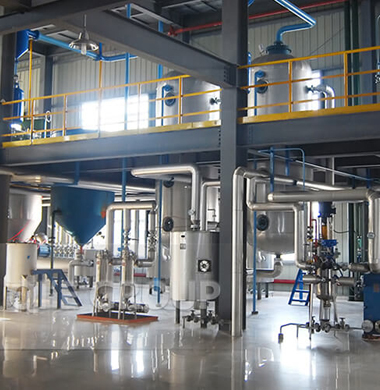
Palm Oil Refinery Plant
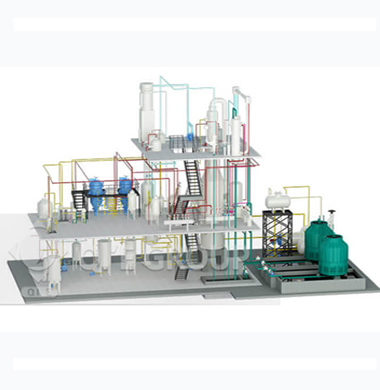
Palm Oil Fractionation Plant

Small Scale Palm Oil Processing Plant
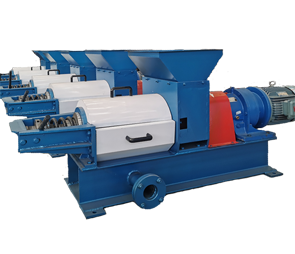
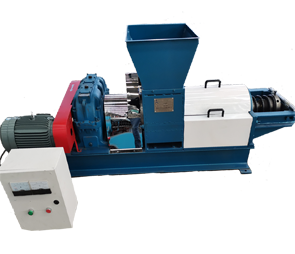
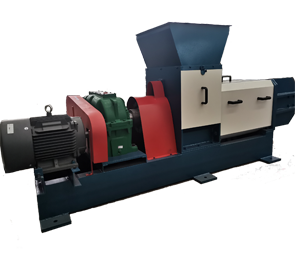
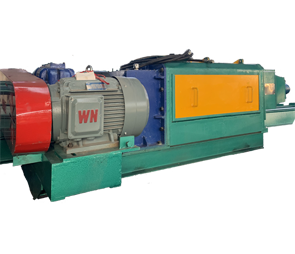
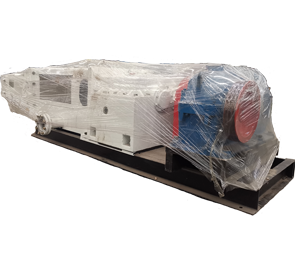
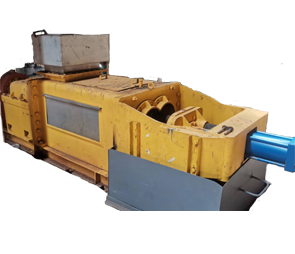
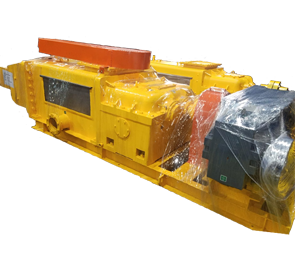
QIE Machinery offers a complete range of core equipment and related auxiliary equipment for palm oil solutions.
Whether you contact us by phone, email, or leave a message online, we will provide you with comprehensive and high-quality services.
Phone: 0086-13949113983
WhatsApp:
Email: qiea@oilpresses.org
Address: No.352 Lianhua Street, Hightech Industrial Development Zone, , Zhengzhou City,Henan Province, China