QIE Machinery
QIE Machinery
QIE Machinery
QIE Machinery

The cost of building a palm oil refinery plant ranges from $20,000 for a micro-batch unit to over $10,000,000 for a fully continuous mega-refinery. Palm oil refining is uniquely capital-intensive compared to other vegetable oils because it almost always requires a specialized fractionation stage to separate the oil into liquid palm olein (cooking oil) and solid palm stearin (industrial fat).
The total machinery investment is heavily dictated by your targeted Tons Per Day (TPD) volume and the level of system automation:
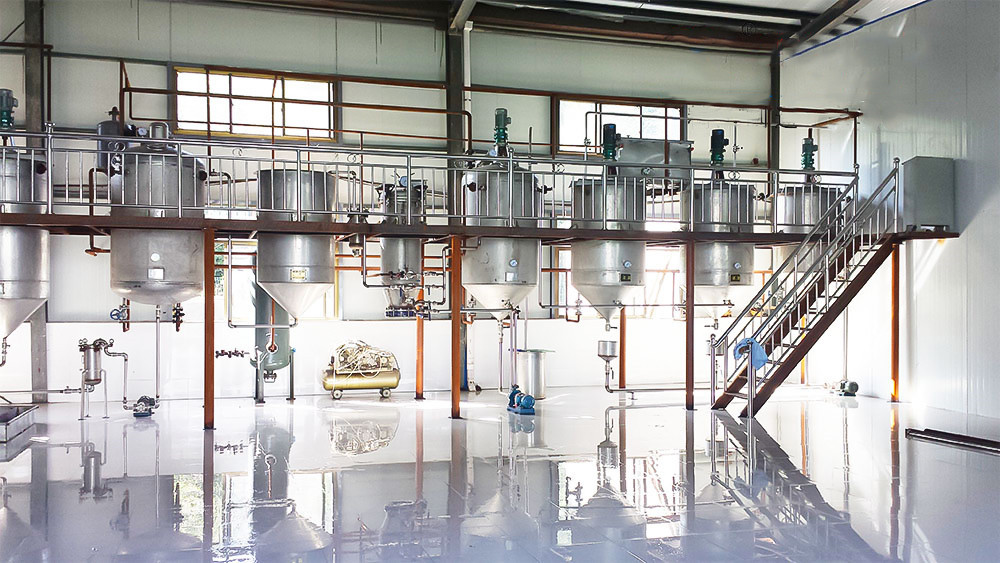
A small batch palm oil refining plant with a capacity of 1 to 10 Tons Per Day (TPD) is the entry-level tier for commercial refining. It allows local mill owners or cooperatives to upgrade raw, deep-red Crude Palm Oil (CPO) into clear, stable, odor-free salad oil. At this capacity, the factory operates on an intermittent batch processing system, where fixed volumes of oil are treated sequentially in dedicated vessels rather than a continuous stream.
| Capacity Tier | Machinery Equipment Cost | Estimated Total Setup Budget | Factory Space Needed |
|---|---|---|---|
| 1 – 3 TPD | $20,000 – $32,000 | $45,000 – $65,000 | 100 – 150 m² |
| 5 TPD | $35,000 – $45,000 | $70,000 – $95,000 | 150 – 250 m² |
| 10 TPD | $50,000 – $65,000 | $110,000 – $160,000 | 250 – 400 m² |
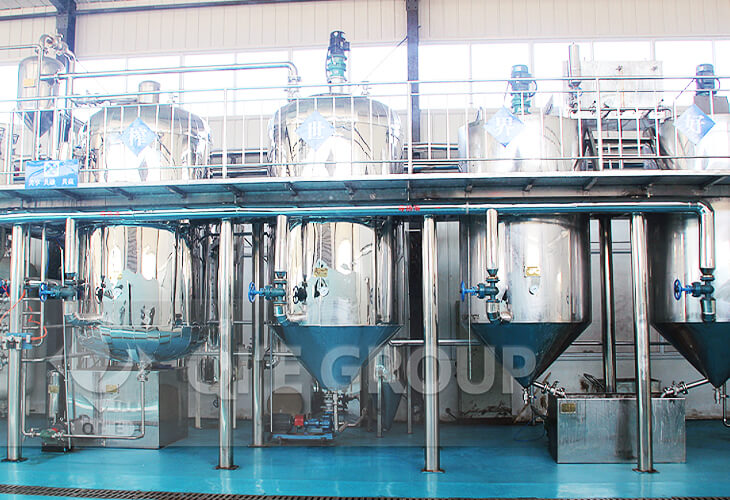
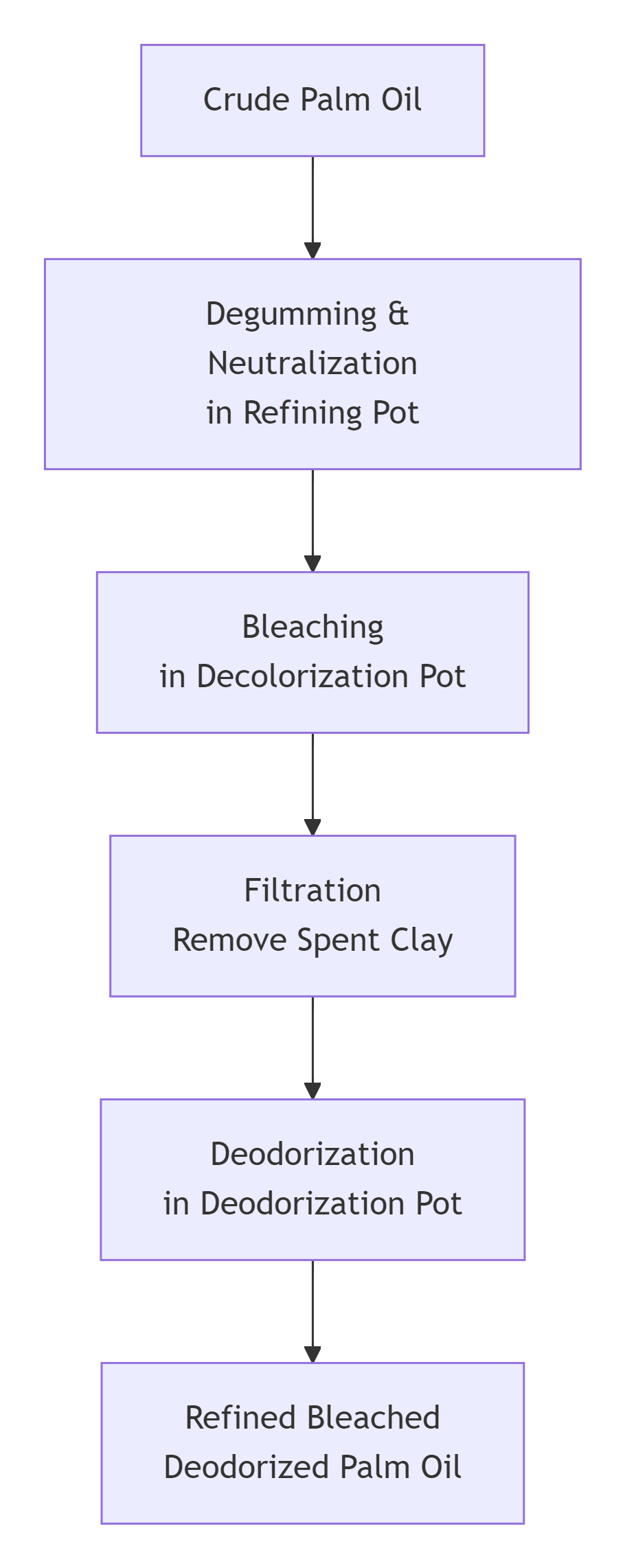
A standard small-batch palm refinery handles the primary processing steps using simple, durable pots heated by a centralized thermal oil furnace or electric coils:
Neutralization & Degumming Tank: Uses food-grade phosphoric acid and caustic soda to bind and precipitate gummy phosphatides and reduce high Free Fatty Acids (FFA).
Vacuum Bleaching (Decolorization) Pot: Operates under a light vacuum. It mixes the oil with activated bleaching earth to adsorb the intense beta-carotene pigments, turning the dark red oil light yellow.
Batch Deodorization Vessel: A thick-walled, high-temperature vessel that uses direct steam injection under a deep vacuum to strip out volatile odorous compounds at temperatures around 230°C to 250°C.
Leaf or Plate Filter Press: Separates the spent bleaching earth and impurities from the finished oil, ensuring optical clarity.
Crude Palm Oil naturally separates at room temperature into a liquid portion and a solid portion. If your target market requires clear liquid cooking oil (Palm Olein) that doesn’t cloud up or solidify on store shelves, you must add a Fractionation Plant.
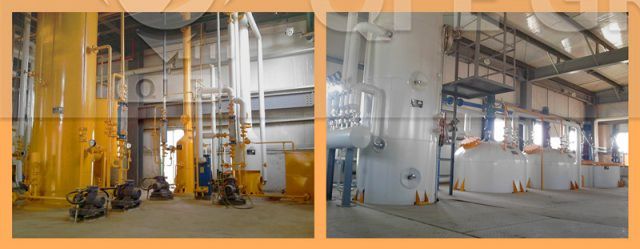
Setting up a medium scale 10 to 50 Tons Per Day (TPD) palm oil refining plant bridges the gap between basic batch processing and high-volume industrial operations. At this commercial tier, plants utilize a semi-continuous or fully continuous physical refining process to handle large daily volumes efficiently while minimizing energy consumption and maximizing oil yield.
| Capacity Tier | Machinery Equipment Cost | Total Initial Capital | Factory Space Needed |
|---|---|---|---|
| 10 – 20 TPD | $100,000 – $160,000 | $220,000 – $350,000 | 400 – 600 m² |
| 20 – 30 TPD | $170,000 – $240,000 | $360,000 – $500,000 | 600 – 800 m² |
| 30 – 50 TPD | $250,000 – $380,000 | $520,000 – $750,000 | 800 – 1,200 m² |
Medium scale plants transition away from open batch pots to sealed, vertical tower structures. The degumming and bleaching stages usually run continuously, while the high-temperature deodorization stage alternates in automated batches to save fuel.
Continuous Degumming Mixers: Inline dosing pumps mix crude palm oil (CPO) with precise amounts of phosphoric acid to continuously strip out gums.
Continuous Vacuum Deaerator & Bleacher: The oil enters a sealed vacuum chamber where it is continuously agitated with bleaching earth to remove the heavy red carotene pigments.
Hermetic Vertical Leaf Filter: Replaces manual plates. It operates under pressure to separate the spent bleaching earth and self-cleans via an automated pneumatic vibrator.
Combined Deacidification & Deodorization Tower: A structured vertical column operating under a deep vacuum (under 3 torr) at 240°C–260°C. It strips out volatile Free Fatty Acids (FFAs) and odors using direct dry steam injection.
To sell clear liquid cooking oil (Palm Olein) that remains liquid at room temperature, a fractionation system must be paired with your refinery.
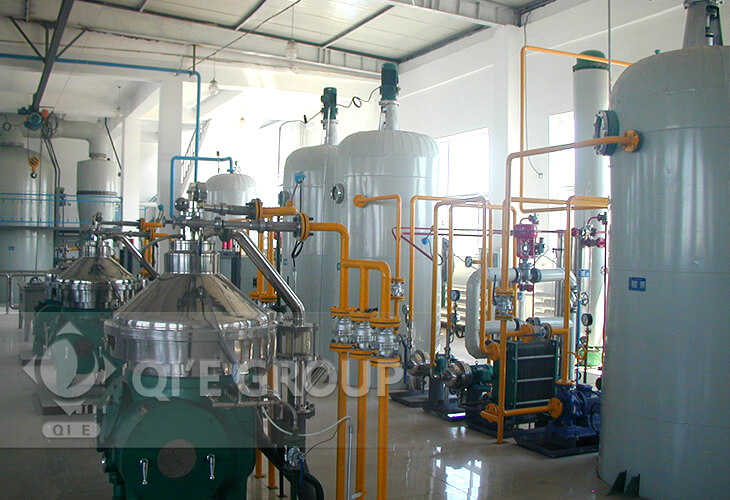
Building a large scale palm oil refining plant with a capacity of 50 to 500 Tons Per Day (TPD) transitions your operation into a heavy industrial, continuous-flow manufacturing facility. At this tier, the plant operates 24/7 on a fully automated, continuous physical refining system, which maximizes thermal energy recovery and minimizes oil loss down to fractions of a percent.
| Capacity Tier | Core Machinery Cost | Total Estimated Capital Investment | Minimum Land Requirement |
|---|---|---|---|
| 50 – 100 TPD | $400,000 – $850,000 | $900,000 – $1.8 Million | 3,000 – 5,000 m² |
| 100 – 300 TPD | $900,000 – $2.2 Million | $2.0 Million – $4.5 Million | 6,000 – 15,000 m² |
| 300 – 500 TPD | $2.5 Million – $5.5 Million | $5.0 Million – $12.0+ Million | 15,000 – 30,000 m² (Multi-acre site) |
Large scale refining utilizes multi-story vertical tower structures where gravity and automated pumps move the oil through highly optimized thermodynamic stages:
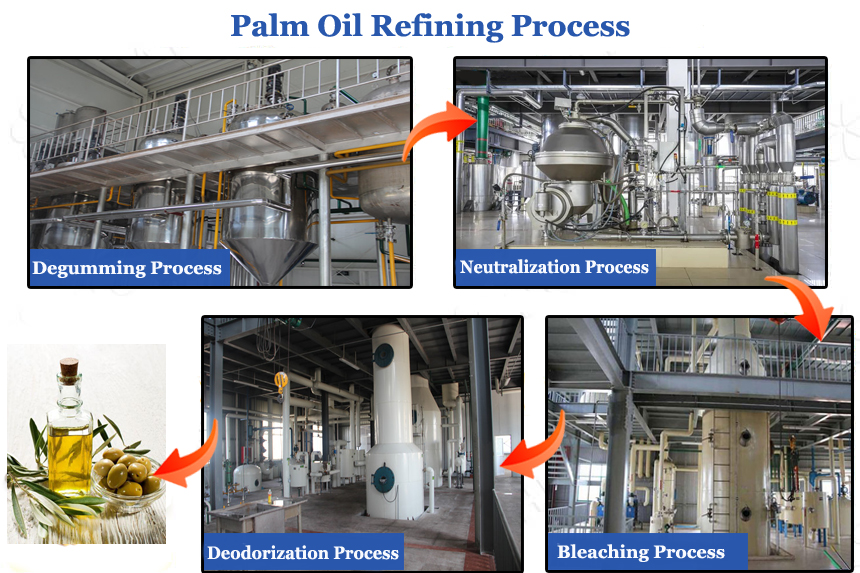
Automated Dosing & Degumming: Mass-flow meters precisely inject phosphoric acid into a high-shear continuous mixer to precipitate phosphatides (gums) instantly.
Continuous Bleaching & Deaerator: The oil enters a multi-stage vacuum bleaching tower under constant agitation. Spent earth is continuously filtered out by dual alternating vertical leaf filters, allowing the plant to switch filters without pausing the oil flow.
Combined Physical Deacidification & Deodorization Tower: A massive multi-tray vertical column operating under an extreme vacuum (under 2 torr) at 250°C–260°C. It strips out Free Fatty Acids (FFAs) and odors simultaneously using sparging steam.
Economizers (Energy Recovery): Outgoing hot refined oil passes through advanced plate or shell-and-tube heat exchangers to pre-heat incoming cold crude oil. This system recovers up to 70% of the process heat, radically cutting factory fuel bills.
At this scale, a fractionation plant is an absolute necessity to separate the output into highly liquid Palm Olein (for consumer bottling) and solid Palm Stearin (for industrial food and chemical markets).
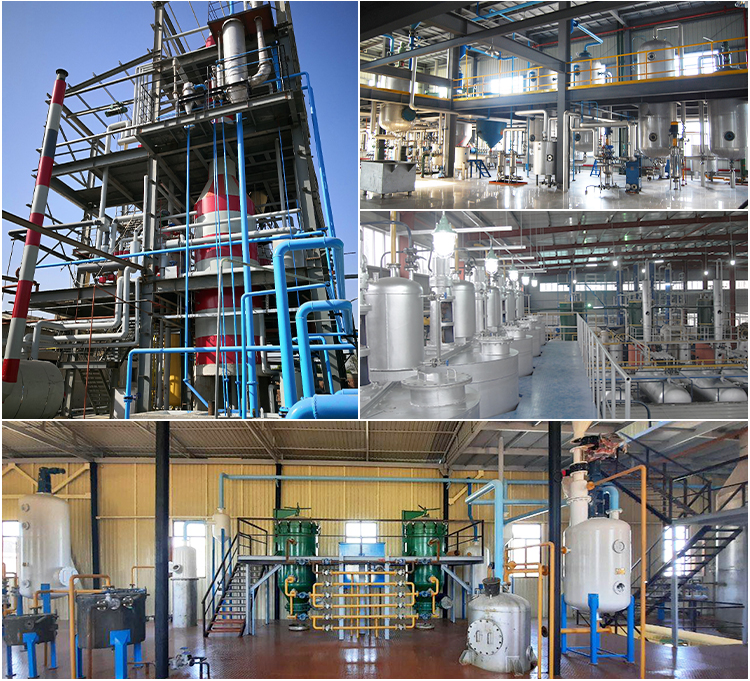
QIE Group has successfully developed both small, Medium and large scale palm oil refining plant, which can realize the integrated flow operation of dephosphorization, degumming, deacidification, dehydration and decolorization. At present, our palm oil refinery machines have been exported to Nigeria, Liberia, Togo, Congo, Peru, Malaysia, Indonesia and other countries and regions, favored by local users like! For more information about the latest price our palm oil refining equipment, please coantact us now!


Palm Oil Production Line
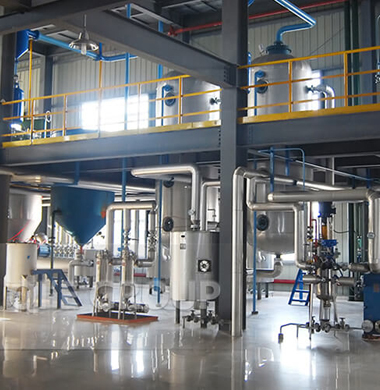
Palm Oil Refinery Plant
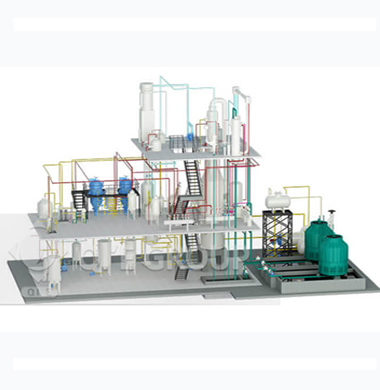
Palm Oil Fractionation Plant

Small Scale Palm Oil Processing Plant
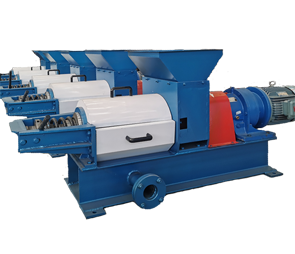
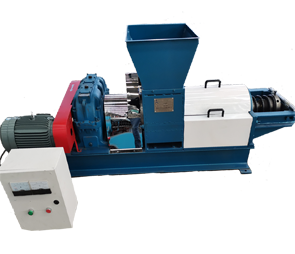
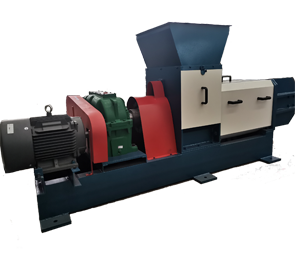
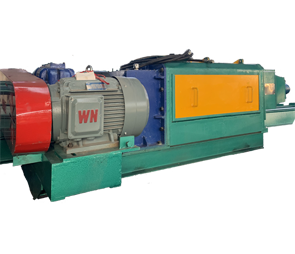
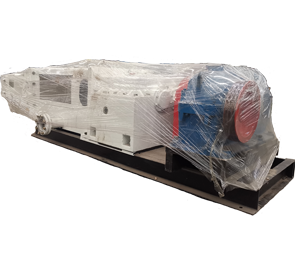
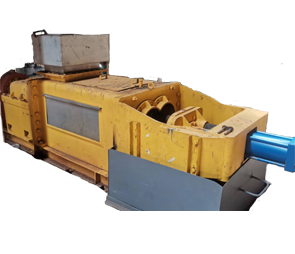
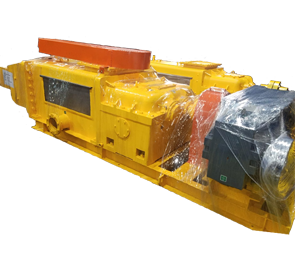
QIE Machinery offers a complete range of core equipment and related auxiliary equipment for palm oil solutions.
Whether you contact us by phone, email, or leave a message online, we will provide you with comprehensive and high-quality services.
Phone: 0086-13949113983
WhatsApp:
Email: qiea@oilpresses.org
Address: No.352 Lianhua Street, Hightech Industrial Development Zone, , Zhengzhou City,Henan Province, China