
QIE Machinery
QIE Machinery
QIE Machinery
QIE Machinery



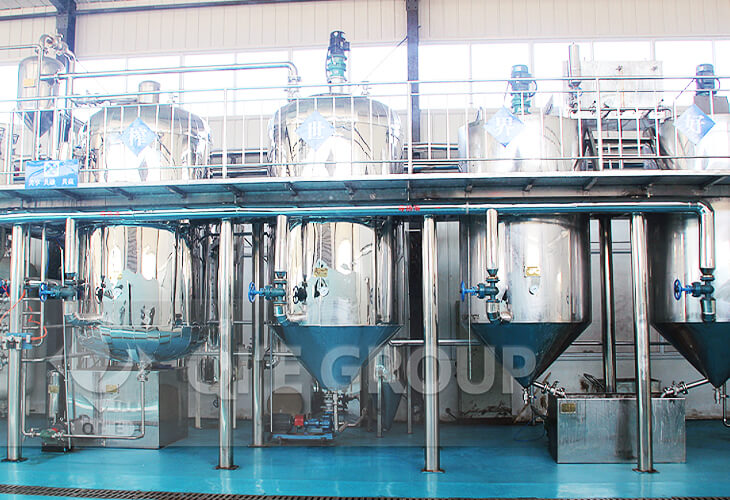
The cost of building a palm oil refinery plant ranges from $20,000 for a micro-batch unit to over $10,000,000 for a fully continuous mega-refinery. Palm oil refining is uniquely capital-intensive compared to other vegetable oils because it almost always requires a specialized fractionation stage to separate the oil into liquid palm olein (cooking oil) and […]
A Small Scale Palm Oil Refinery Line in Nigeria is specialized batch-type equipment designed to process crude palm oil (CPO) into high-quality, edible refined oil. These machines typically handle a production capacity between 1 to 20 tons of oil per day, making them ideal for small farms, individual entrepreneurs, and localized operations. Small Scale Palm […]
A 1-10 TPD (tons per day) batch-type palm oil refining line is a compact, small-scale processing system designed to convert crude palm oil (CPO) into high-quality, market-ready refined, bleached, and deodorized palm oil (RBDPO). This equipment configuration is particularly well-suited for small entrepreneurs, regional oil mills, and businesses with limited capital or floor space. The […]
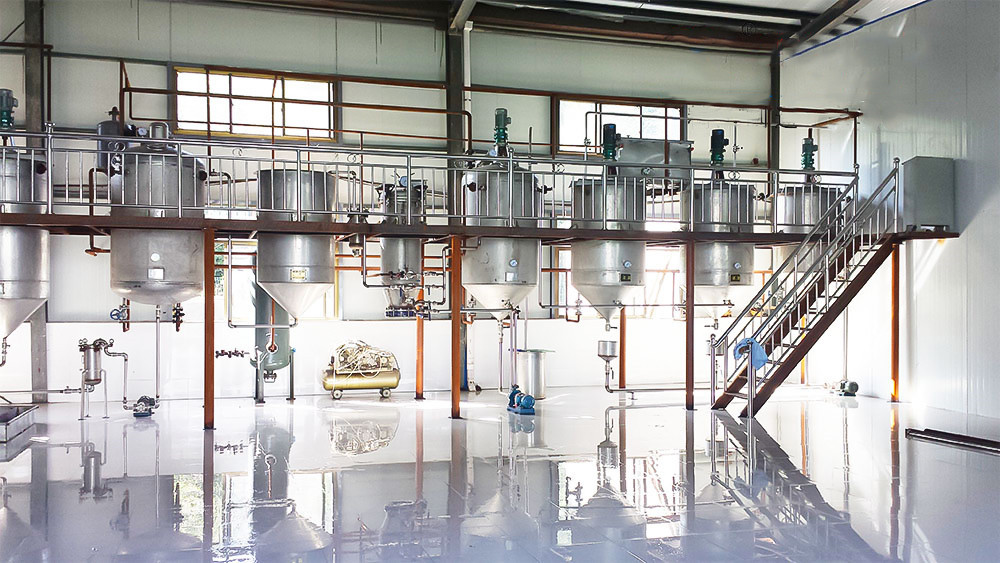
Nigeria is Africa’s largest producer of palm oil and ranks fifth globally. Palm oil remains a core staple of Nigerian cuisine and a critical raw material for local manufacturing. It is absolutely a lucrative endeavor to Start Palm Oil Refining Business in Nigeria due to the huge demand locally and globally. The main production area […]
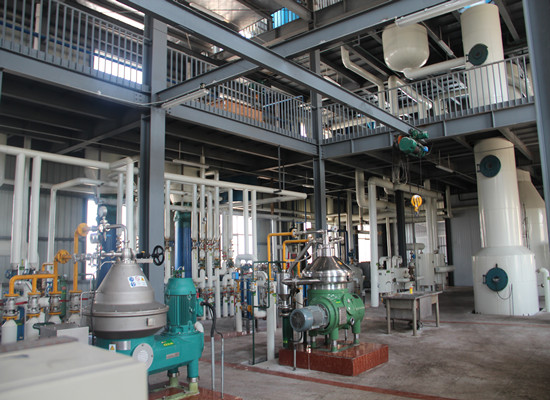
Palm oil is a highly versatile and cost-effective edible vegetable oil extracted from the reddish fruit of the African oil palm tree (Elaeis guineensis). It is unique among vegetable oils for its ability to produce two distinct types: crude palm oil, squeezed from the fleshy pulp, and palm kernel oil, obtained by crushing the stone […]
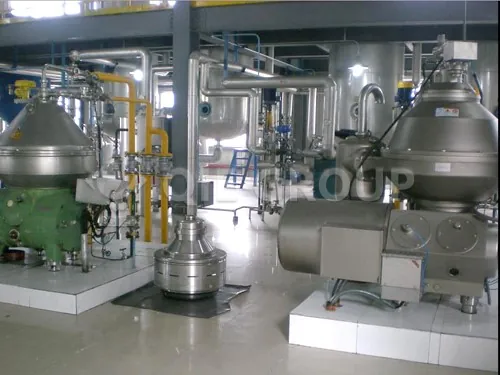
The palm oil chemical refining process, also known as alkali refining, removes free fatty acids (FFAs) from crude palm oil (CPO) by reacting them with a chemical base, typically caustic soda (NaOH). This method is the traditional standard and is particularly useful when handling crude oil with fluctuating quality or specific impurities like gossypol that […]
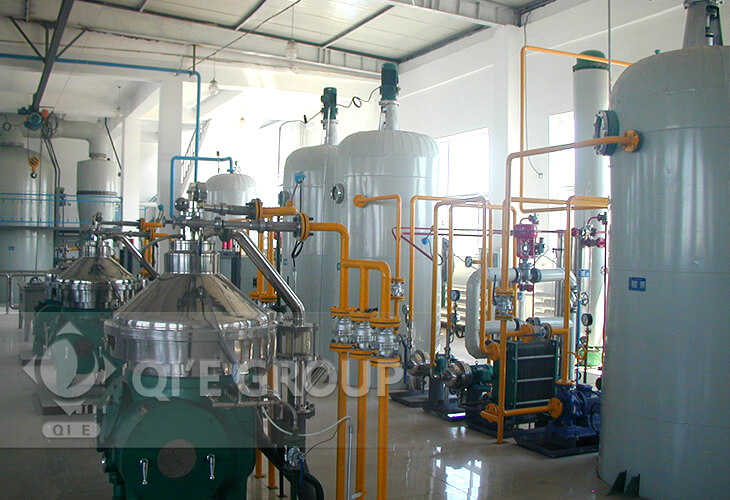
Physical refining is a streamlined distillation process tailored specifically for crude palm oil, which typically contains high levels of free fatty acids but low concentrations of gums. Unlike chemical refining, which uses caustic soda to neutralize acids, this method utilizes high-heat steam distillation to remove impurities. The result is a highly efficient operation that produces […]
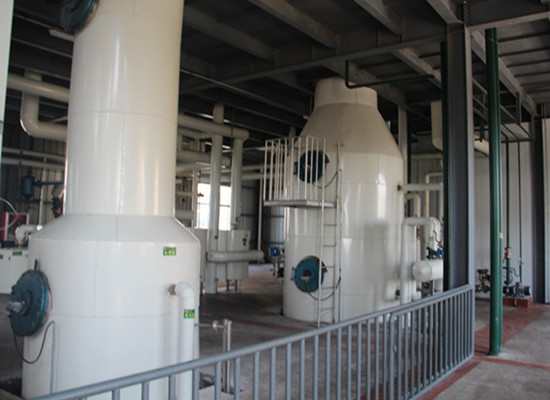
Deodorization is the final and critical step in palm oil refining, transforming bleached palm oil into Refined, Bleached, and Deodorized Palm Oil (RBDPO). It is a physical stripping process that uses steam distillation under high vacuum and temperature to remove volatile impurities, odors, and free fatty acids (FFAs). The Process Steps Deaeration: Before heating, air […]
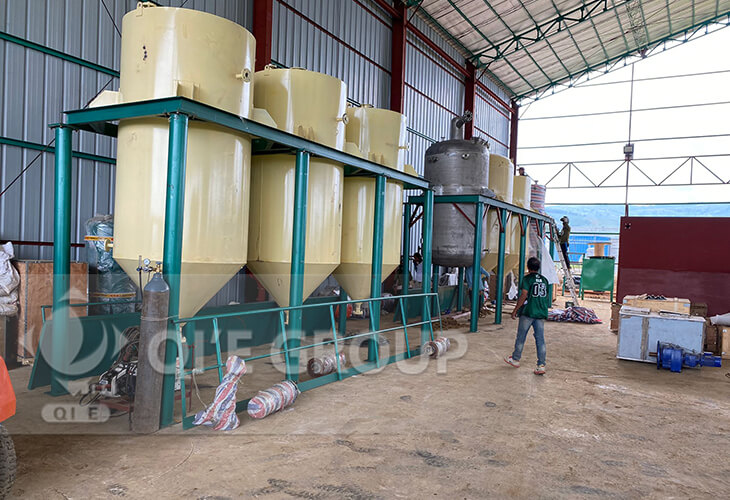
The initial investment and long-term profitability of a palm oil refinery are primarily dictated by the choice between physical and chemical refining technologies, as well as the degree of system automation. Investing in a palm oil refinery is a promising endeavor given the growing demand for healthy cooking oil. However, understanding the cost of palm […]
Palm oil, historically known as Nigeria’s “red gold,” remains a cornerstone of the nation’s agricultural economy, although it currently faces a significant domestic supply deficit. As of 2026, Nigeria is the world’s fifth-largest producer, with IndexBox reporting that national output reached 1.57 million tonnes in 2025. Despite this growth, domestic demand has surged to over […]

Palm Oil Production Line
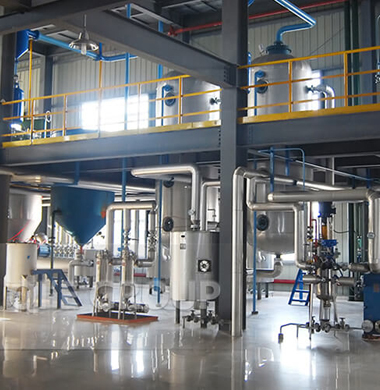
Palm Oil Refinery Plant
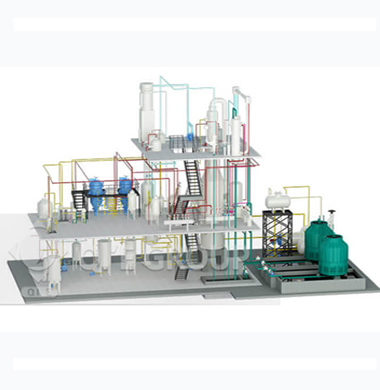
Palm Oil Fractionation Plant

Small Scale Palm Oil Processing Plant
Whether you contact us by phone, email, or leave a message online, we will provide you with comprehensive and high-quality services.
Phone: 0086-13949113983
WhatsApp:
Email: qiea@oilpresses.org
Address: No.352 Lianhua Street, Hightech Industrial Development Zone, , Zhengzhou City,Henan Province, China
