QIE Machinery
QIE Machinery
QIE Machinery
QIE Machinery

The initial investment and long-term profitability of a palm oil refinery are primarily dictated by the choice between physical and chemical refining technologies, as well as the degree of system automation. Investing in a palm oil refinery is a promising endeavor given the growing demand for healthy cooking oil. However, understanding the cost of palm oil refinery plants involved is crucial to making an informed decision.
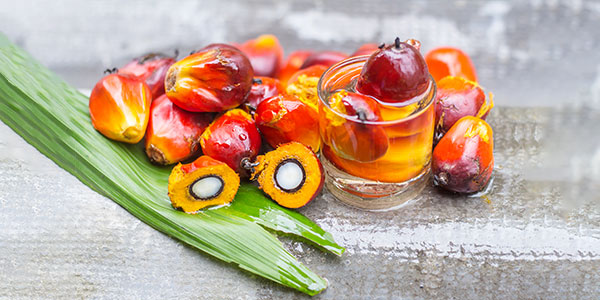
The cost of setting up a palm oil refining plant involves a number of aspects, including raw material costs, processing equipment, human resources, infrastructure, transportation and storage.
The first step in starting a palm oil refinery plant is investment in oil refinery machines. These sunflower oil making machines not only determine production efficiency, but also have a direct impact on product quality and operating costs. Selecting efficient and reliable oil refinery equipment is critical to controlling long-term operating costs. When selecting palm oil refinery machinery, investors should consider the performance of the equipment, maintenance costs and after-sales service from the supplier. High-quality palm oil refining machine improves productivity and reduces energy consumption, thus maintaining profitability in a competitive market.
According to the oil refining process, edible oil refinery plants can be divided into continuous refineries and intermittent refineries
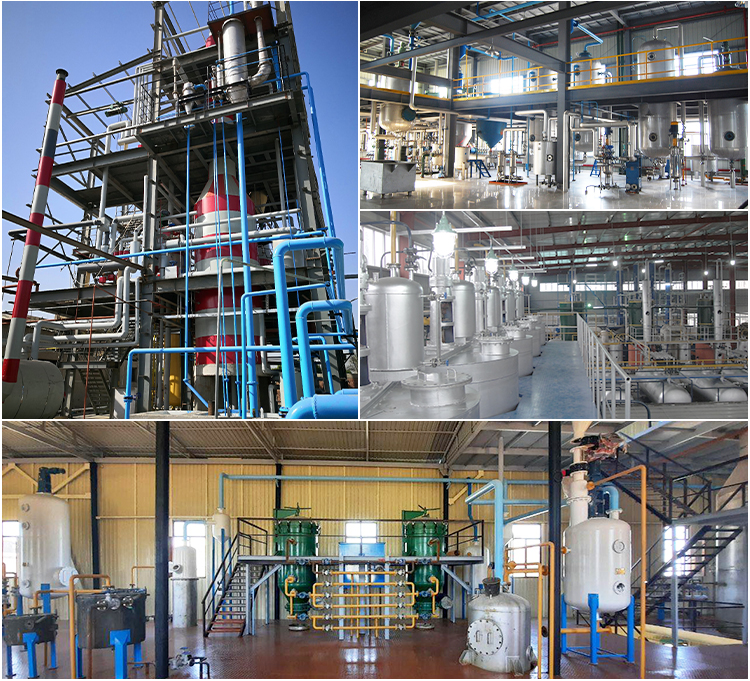
Continuous Refining: continuous refining is suitable for large-scale palm oil refinery production, and the equipment includes deacidification tower, neutralization tower, decolorization tower and deodorization tower. Its advantage is strong processing capacity, suitable for efficient production, but the initial investment is higher. Through continuous refining, the color and odor of oil products are better, which meets the market demand.
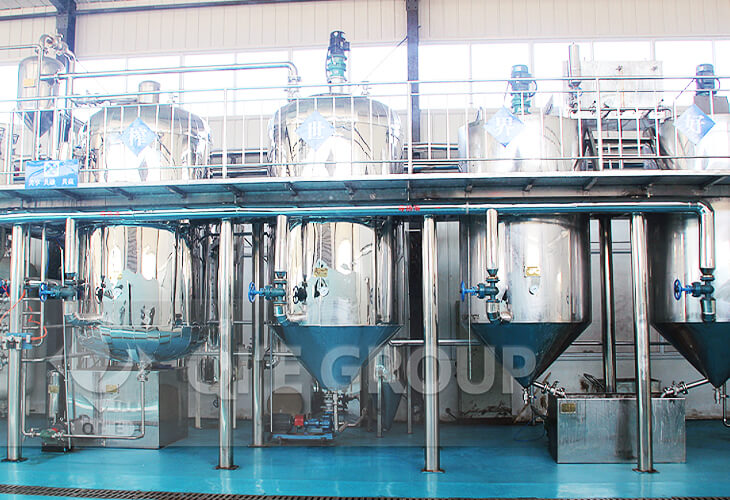
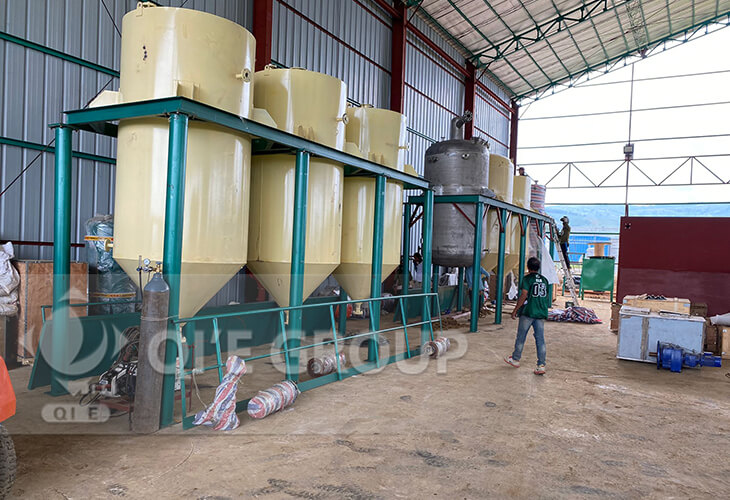
Intermittent Refining: It is suitable for small and medium scale palm oil refining production, and the equipment operation is flexible and suitable for diversified production. Although the processing time per batch is longer, the cost of oil refinery plant is relatively low. This method is suitable for start-ups or small scale oil refineries.👉(Turnkey 100TPD Palm Oil Refinery Plant)
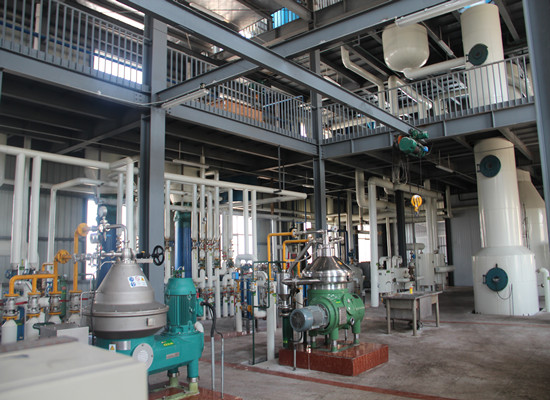
Optimize the Refining Process
Choosing the right method for your scale can save thousands in chemical and equipment costs:
Physical Refining vs. Chemical Refining: For palm oil, physical refining is the industry standard. It uses steam distillation to remove free fatty acids (FFA) rather than chemical neutralization. This reduces the need for expensive chemicals (caustic soda) and simplifies wastewater treatment.
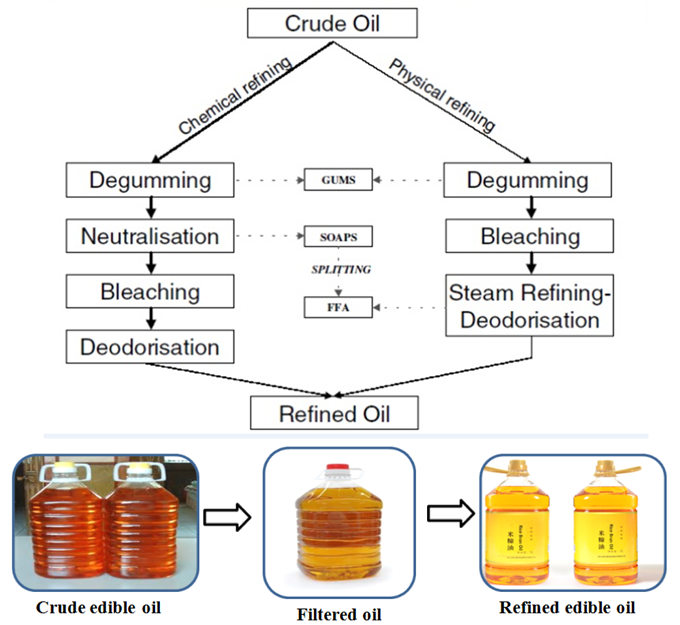
Fractionation Integration: If you plan to produce palm olein (cooking oil) and stearin (solid fat), integrating the fractionation unit directly with the refinery saves on reheating costs.
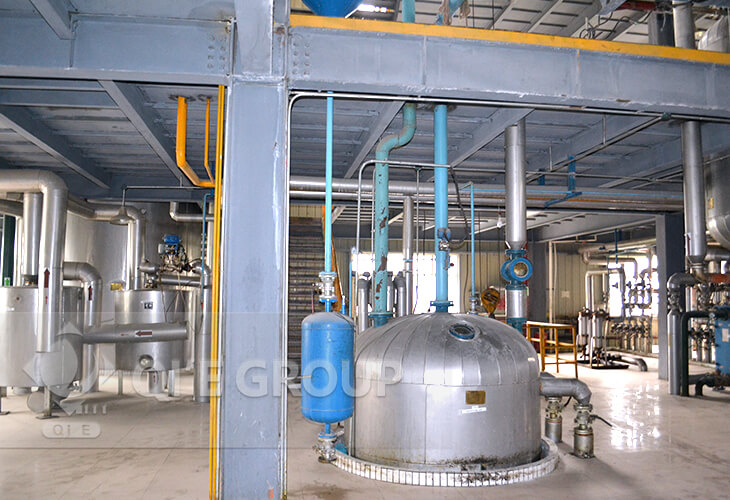
Energy & Resource Recovery
Refineries are energy-intensive; small improvements here yield massive annual savings:
Heat Exchangers: Use the heat from the hot, deodorized oil to pre-heat the incoming crude oil. This “waste heat recovery” can cut steam consumption by 20–30%.
Byproduct Valorization: Don’t treat waste as a loss. Sell Palm Fatty Acid Distillate (PFAD) to the biofuel or soap industry. On average, byproduct sales can recover 3–5% of your total operating costs.
Vacuum System Efficiency: Use high-efficiency steam ejectors or dry vacuum systems to reduce water and steam usage during the deodorization stage.
Smart Equipment Sourcing
Modular Units: For capacities under 20 TPD, buy skid-mounted (modular) plants. These are pre-assembled, reducing onsite installation time and labor costs by nearly 50%.
Material Choice: Use stainless steel only for high-temperature/acidic sections (like the deodorizer) and carbon steel for storage tanks to balance durability with budget.
Operational Precision
Automation: Basic PLC (Programmable Logic Controller) systems prevent human error in dosing bleaching earth and phosphoric acid. Over-dosing these chemicals doesn’t just waste money; it increases oil loss during filtration.
Regular Maintenance: Schedule “stop-days” for centrifuge cleaning. A dirty centrifuge can increase oil loss in the soapstock by 1–2%, which adds up to significant revenue loss over a month.
Palm oil refining plants are categorized by their automation level, processing capacity, and refining method. Most modern facilities utilize Physical Refining, as it offers higher yields and is more environmentally friendly for palm oil than chemical methods. 👉(Palm Oil Refinery and Fractionation Plant in Nigeria)
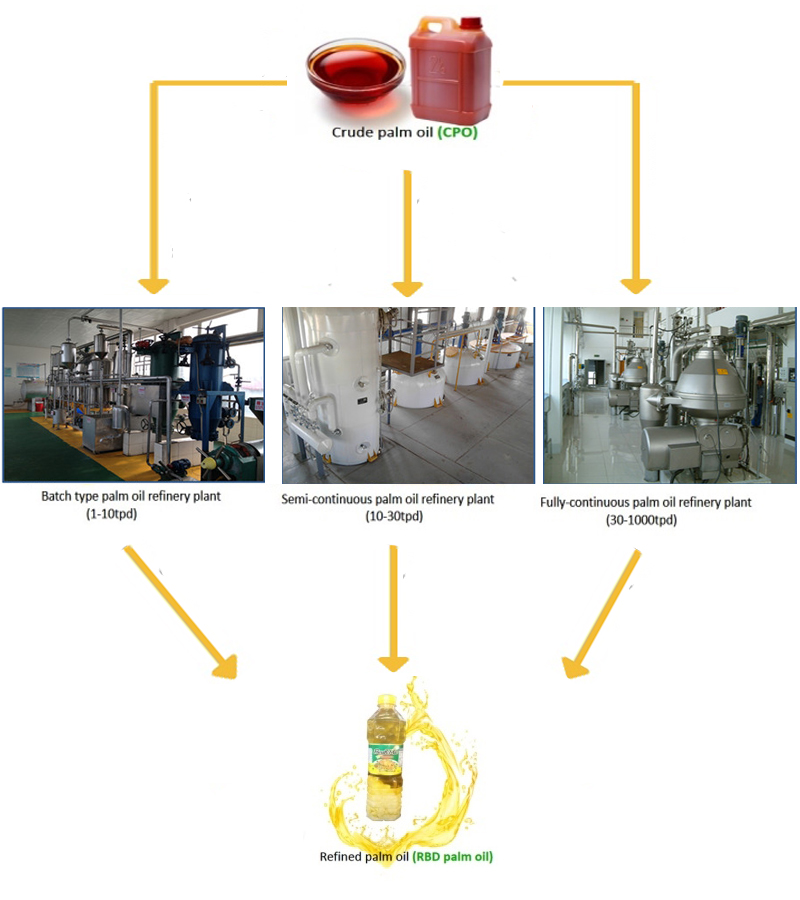
Batch type palm oil refinery plant (1~10 ton/day)
This line of an oil refinery is perfect as a mini or small-scale palm oil refinery plant. It requires low investment capital and a smaller occupation of land. You are able to refine almost every type of crude edible oil. The complete set palm oil refinery process includes degumming, neutralizing, bleaching, and deodorizing. This process eliminates all the impurities which make the oil inedible.
Semi-Continuous palm oil refinery plant (10~50 ton/day)
This line is suitable for medium-scale palm oil refinery plant which are efficient in accommodating clients requests. You are able to refine different types of crude oils as well as plant and animal oils. It has a capacity of 10TPD to 50TPD.
Continuous palm oil refinery plant (over 30 ton/day)
This line is specifically for large-scale palm oil refinery. It operates automatically with the refinement of the oils with the utmost efficacy. lt’s daily capacity stands at over 30TPD.
Controlling palm oil refinery plant cost involves optimizing the entire production process, from raw material procurement to waste management. By focusing on energy efficiency, reducing chemical and oil losses, maintaining equipment, optimizing labor, and utilizing byproducts, a refinery can reduce operational costs and improve profitability. Implementing automation, preventive maintenance, and adopting best practices across the plant are key to ensuring long-term cost control.


Palm Oil Production Line
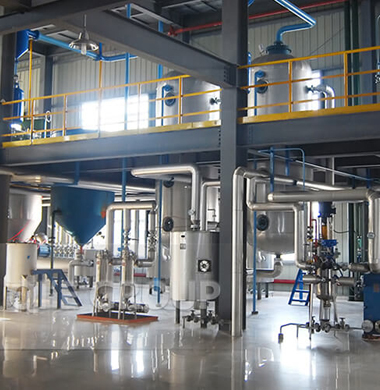
Palm Oil Refinery Plant
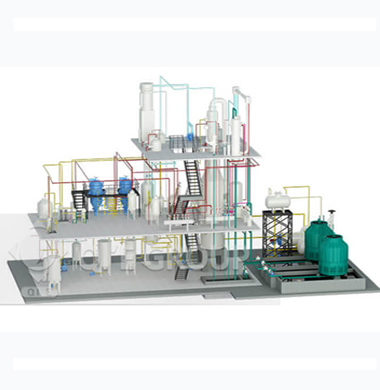
Palm Oil Fractionation Plant

Small Scale Palm Oil Processing Plant
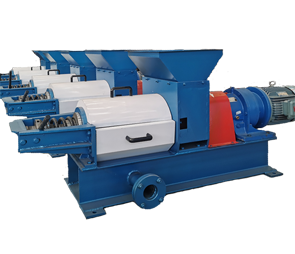
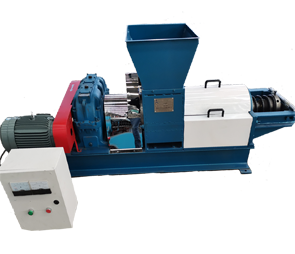
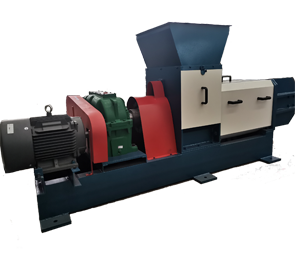
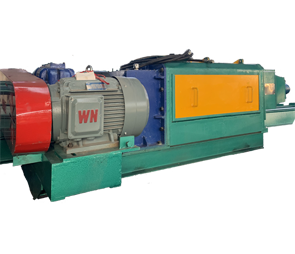
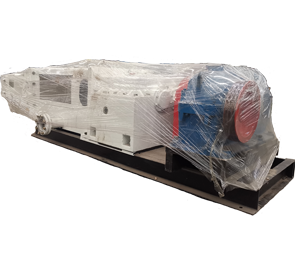
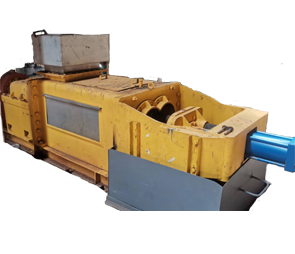
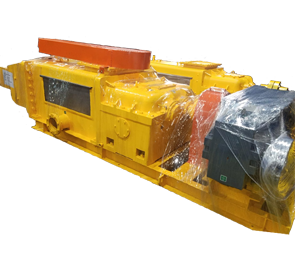
QIE Machinery offers a complete range of core equipment and related auxiliary equipment for palm oil solutions.
Whether you contact us by phone, email, or leave a message online, we will provide you with comprehensive and high-quality services.
Phone: 0086-13949113983
WhatsApp:
Email: qiea@oilpresses.org
Address: No.352 Lianhua Street, Hightech Industrial Development Zone, , Zhengzhou City,Henan Province, China