QIE Machinery
QIE Machinery
QIE Machinery
QIE Machinery

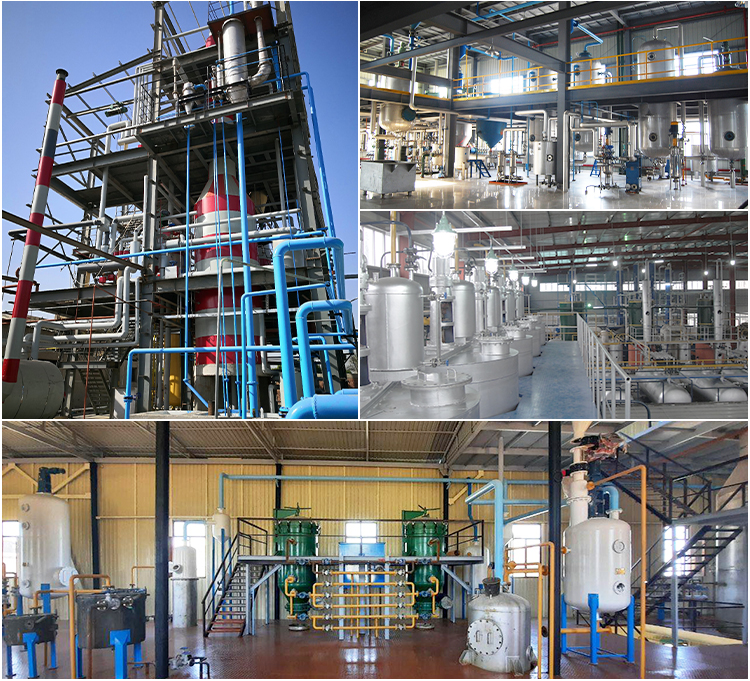
A Small Scale Palm Oil Refinery Line in Nigeria is specialized batch-type equipment designed to process crude palm oil (CPO) into high-quality, edible refined oil. These machines typically handle a production capacity between 1 to 20 tons of oil per day, making them ideal for small farms, individual entrepreneurs, and localized operations.
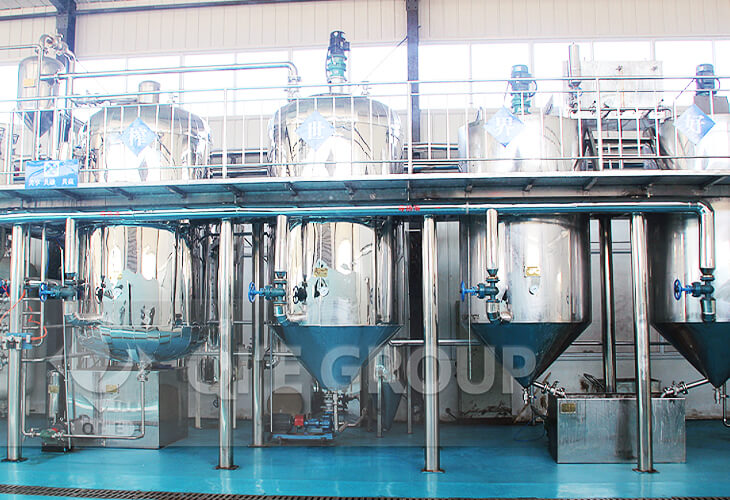
Small Scale Palm Oil Refinery Line for Producing RBD Palm Oil: Refined Bleached Deodorized Palm Oil
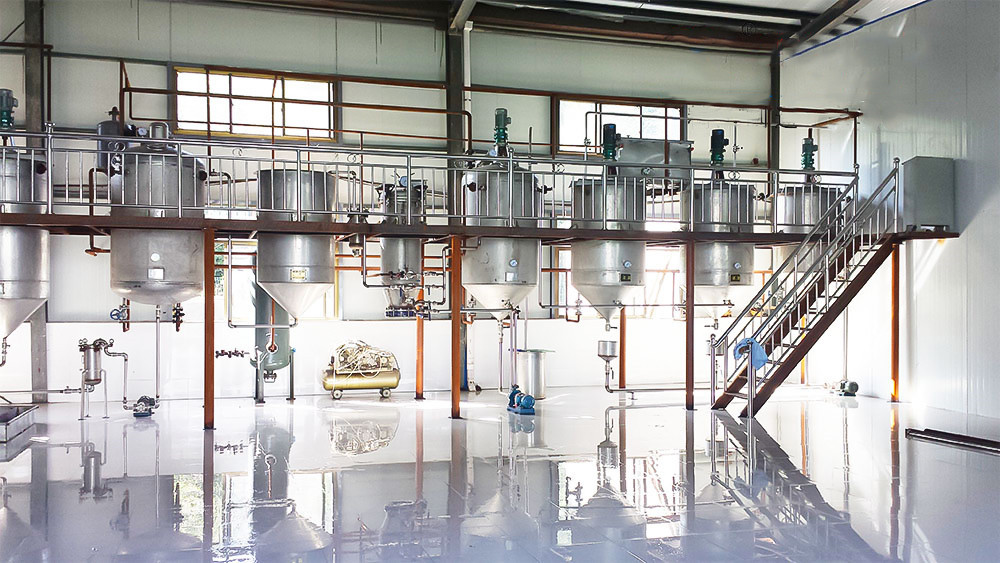
This small refining line consists of refining tank, decolorizing tank, deodorizing tank and filter, oil pump and electrical control system. It can realize palm oil degumming, deacidifying, drying, decolorizing, and deodorizing.
Meet food processing machinery standards: Made of stainless steel, and polished.
Simple design, beautiful appearance and high customer satisfaction.
Easy operation: Ordinary staff can run the palm oil refinery smoothly after our onsite training.
It can realize the complete process of palm oil refining.
A small-scale palm oil refinery line operates as a batch system, processing oil in distinct steps within dedicated tanks. It uses physical, chemical, and thermal actions to transform crude palm oil (CPO) into clean, edible, and market-ready cooking oil.
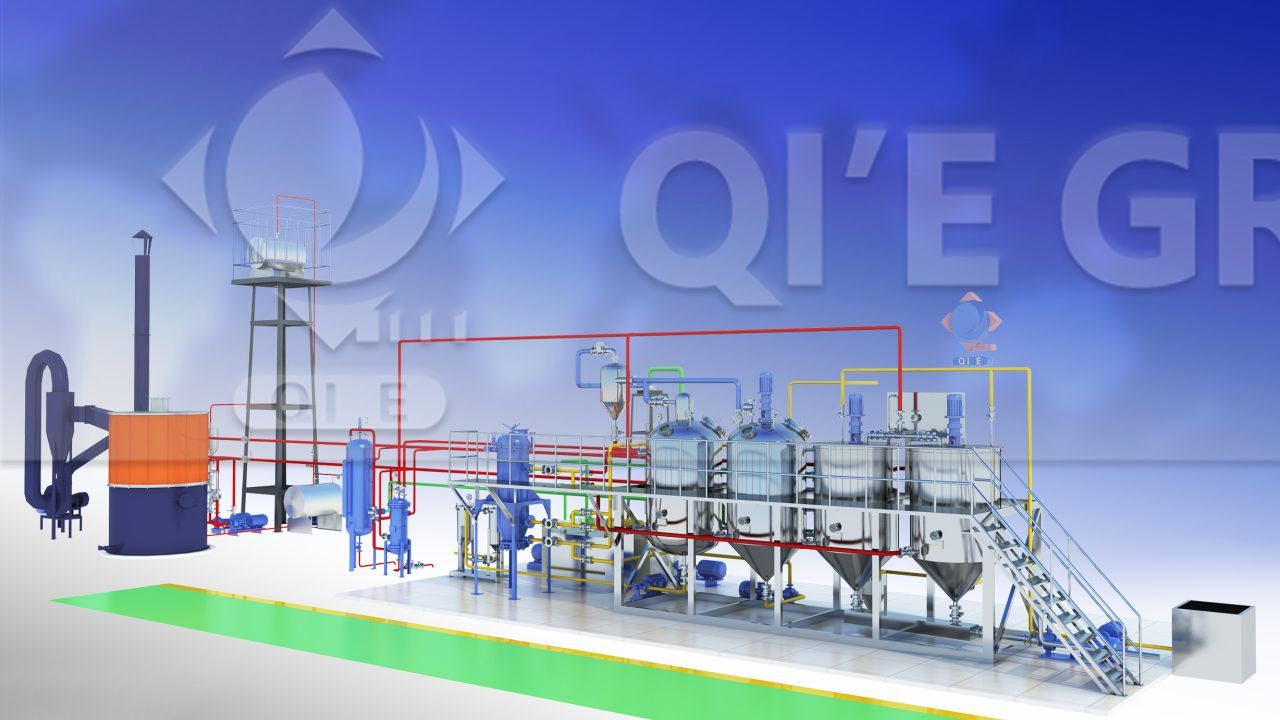
Here is the exact working principle broken down by the four-step refining sequence:
1. Degumming (Removing Gums)
2. Neutralization / Deacidification (Removing Acids)
3. Bleaching / Decolorization (Removing Color)
4. Deodorization (Removing Smells)
Choosing the right equipment can make your palm oil refining process easier and more efficient. It is also the very first step to start a palm oil refinery plant. But it’s not an easy step. When buying oil refining machine, you will find countless manufacturers and different types of equipment. To avoid detours, we are here to give you some tips to help you buy the right equipment for your palm oil business.
Choose Reliable Brand
It is critical to buy from reliable palm oil refinery machine manufacturer with strong technical support and after-sales service. Brand influence it the valuable wealth accumulated by the equipment through the test of the market and users. It is the intuitive response of equipment quality. You are recommend to buy from formal factories and famous brands, so the equipment quality is guaranteed.
Pay Attention to Refining Performance
Equipment material, structure design and manufacturing technology can all effect the palm oil refining performance. Besides, for palm oil extraction machine, the oil yield and residual oil ratio are also key points to get more profits.
Palm Oil Refinery Plant Cost
The price of palm oil refinery machine is also one of the main concerns of users, but it can only be a reference factor. Do not only look at the price and ignore the quality. Or it will result in no guarantee of later benefits, but more loss. Choose QIE Group to get cost effective equipment for your palm oil production business. Contact us now to get the promotion details and the latest price list of our machinery.
Care more about the Service
For the ones who are planning to establish palm oil refining factory, the follow-up service and technical support is very critical. The decline in brand power of many palm oil processing machine is the result of poor service and a loss of market credibility. Only manufacturers with perfect service can survive in the market. QIE Group concerns more about service. We always adhere to the user’s point of view, timely and thoughtful help them on palm oil extraction and refining problems, so that to ensure the palm oil refinery machine play a greater value in their hands.
These are the main factors you should take into consider when buying palm oil refining equipment. You can take them as a reference when choosing palm oil machine manufacture or supplier for your oil mill plant. If you have any questions, please feel free to contact us, we are always by your side!
Removal of Impurities:
Free Fatty Acids (FFA): High levels of FFA in crude palm oil can lead to an undesirable taste and odor. They also contribute to the oil’s acidity, which can shorten its shelf life and make it unsuitable for some food products.
Dirt and Debris: Crude palm oil may contain small particles, traces of the oil palm fruit, or other physical contaminants from the extraction process.
Color and Odor: CPO has a strong red color due to the presence of carotenoids and tocopherols, which are naturally occurring in the palm fruit. The oil may also have a distinctive odor that is not suitable for some culinary or industrial uses.
Phospholipids (Gums): These are water-soluble components that can cause cloudiness in the oil and affect its stability.
Improve Oil Quality:
The refining process helps enhance the overall quality of the palm oil, making it more suitable for cooking, frying, and further processing into other food products.
It also eliminates any toxic substances or undesirable components that could be harmful to consumers.
Increase Shelf Life:
Refined oil has a longer shelf life because refining helps remove the compounds that may promote oxidation and spoilage.
Compliance with Regulatory Standards:
Various food safety and quality regulations require that palm oil meets certain standards before being sold for consumption or industrial use
◆Advanced crude palm oil refinery equipment configuration and precise equipment manufacturing
◆Automatic control system
◆Excellent technical and economical indicators
◆Meeting customers’different palm oil refining requirements at home and abroad
◆Palm oil refinery machine covers entire palm oil refining line of degumming and deacidification, bleaching, and deodorization.
Nigeria’s palm oil refining sector is undergoing a rapid technological modernization driven by a massive market deficit. Although the nation is a leading consumer of vegetable oil in Sub-Saharan Africa, a domestic supply shortfall of nearly 800,000 metric tonnes forces a costly reliance on imports. To bridge this gap and meet the high consumer demand for clear, premium liquid cooking oil, private investors and smallholder cooperatives are shifting away from inefficient, manual extraction methods. By adopting modern mechanized batch and continuous refining technologies, local processors can successfully transform crude red palm oil into high-grade, shelf-stable edible products, transforming Nigeria’s abundant agricultural resources into a highly profitable downstream business.
QIE Group is a professional manufacturer and supplier offering palm oil refining equipment at factory-direct prices, along with low-cost turn-key solutions for palm oil refining businesses in Nigeria. To meet the diverse needs of our clients, we have developed three types of palm oil refining production lines with different capacities based on their degree of automation: small-scale batch refining lines, medium-scale batch refining lines, and large-scale continuous refining lines.
What is a small-scale palm oil refinery line?
It’s a compact, integrated system designed to transform Crude Palm Oil (CPO) into high-quality, Refined, Bleached, and Deodorized (RBD) edible oil. These lines typically use a batch refining process and are ideal for small-to-medium enterprises (SMEs) with capacities ranging from 1 to 20 tons per day (TPD). They allow local producers to meet market standards by removing impurities, the strong red color, and the characteristic smell of CPO.
What are the essential machines and steps?
A standard small-scale refinery line follows a four-step process with dedicated equipment:
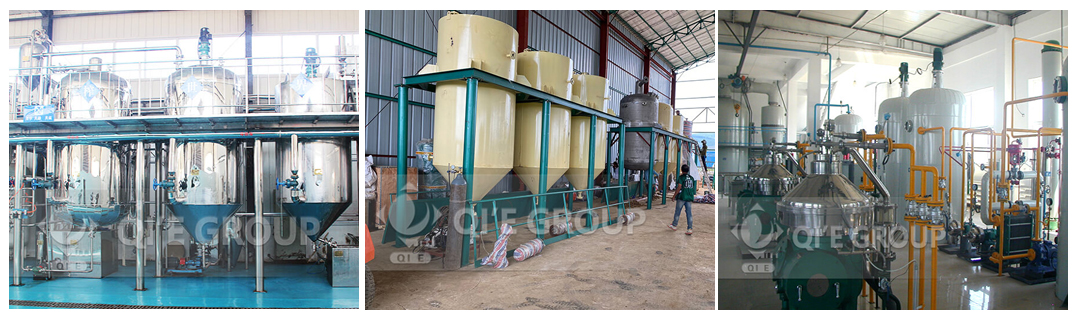
Degumming & Neutralization Tanks: To remove gums (phospholipids) and free fatty acids.
Bleaching Pots: Uses activated clay or carbon to remove pigments and improve the oil’s color.
Deodorizing Tower: Employs high-temperature steam to remove unpleasant odors and flavors.
Filter Press: Used to separate the oil from bleaching earth and other solid impurities.
Fractionation is a highly recommended additional step for the Nigerian market. It separates RBD palm oil into liquid Olein (ideal for cooking oil) and solid Stearin (used for soaps and margarine), significantly increasing the product’s value and versatility.
How much does it cost to set up?
The investment cost varies significantly based on capacity, automation level, and whether you’re buying individual components or a complete turnkey line.
Micro-Scale (1–2 TPD): A basic core unit can cost between $1,800 and $5,500.
Small-Scale (1–5 TPD): A complete, popular small-scale refinery machine is estimated at $18,000 to $30,000.
Small-Scale (1–10 TPD): A 1 TPD refinery equipment costs approximately $30,000**, while a more mechanized 10 TPD system can be around **$100,000.
Is there a demand for refined palm oil in Nigeria?
Yes, the demand is massive and growing. Nigeria currently faces a significant supply gap of over 1 million metric tons annually, meaning domestic production cannot meet local consumption needs. This gap is currently filled by costly imports from countries like Malaysia and Indonesia. With a large and growing population, the need for RBD Olein for cooking and industrial use remains exceptionally high, making it a promising business venture.
Are there government regulations or support?
Regulations: You must comply with standards set by the National Agency for Food and Drug Administration and Control (NAFDAC). There is also ongoing legislative discussion about food fortification and safety standards for edible oils, highlighting the importance of producing high-quality, refined oil.
Government Support: The Nigerian government and the Central Bank of Nigeria (CBN) have initiatives to support the palm oil sector. This includes the Oil Palm Development Initiative aimed at closing the supply gap and providing specialized funding through agencies like the Nigerian Institute for Oil Palm Research (NIFOR) for oil palm majors and SMEs.
What makes fractionation important for Nigeria?
In Nigeria’s warm climate, palm oil can naturally solidify. A fractionation plant solves this by separating the oil into two valuable products:
Palm Olein: The liquid fraction, which is the primary cooking oil used in households and by food processors.
Palm Stearin: The solid fraction, which is a key raw material for producing soap, margarine, and other industrial products.
By offering both products, you can cater to a wider market and maximize your profit margins.


Palm Oil Production Line
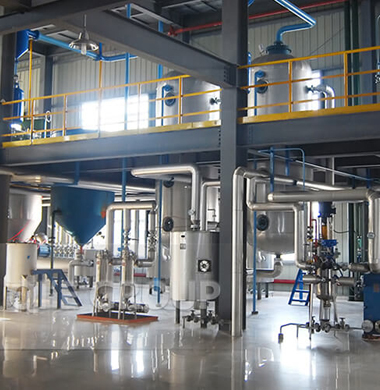
Palm Oil Refinery Plant
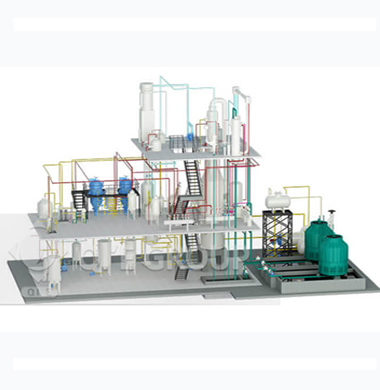
Palm Oil Fractionation Plant

Small Scale Palm Oil Processing Plant
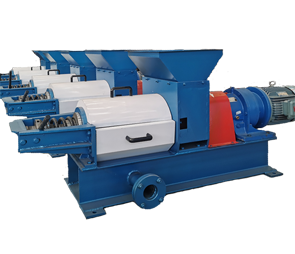
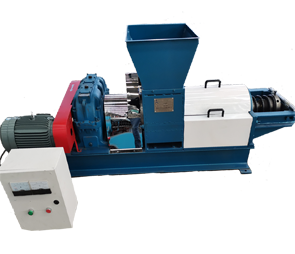
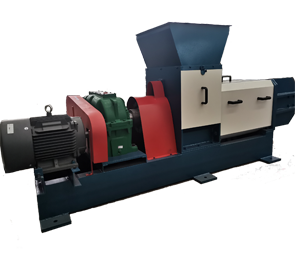
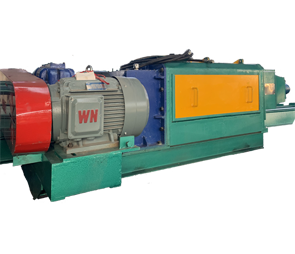
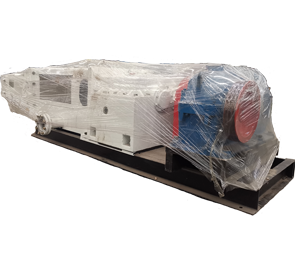
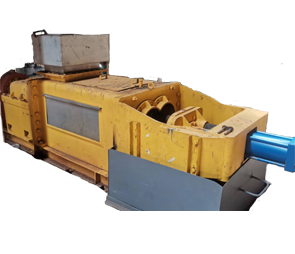
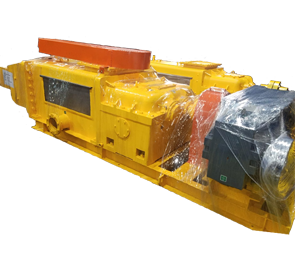
QIE Machinery offers a complete range of core equipment and related auxiliary equipment for palm oil solutions.
Whether you contact us by phone, email, or leave a message online, we will provide you with comprehensive and high-quality services.
Phone: 0086-13949113983
WhatsApp:
Email: qiea@oilpresses.org
Address: No.352 Lianhua Street, Hightech Industrial Development Zone, , Zhengzhou City,Henan Province, China