QIE Machinery
QIE Machinery
QIE Machinery
QIE Machinery

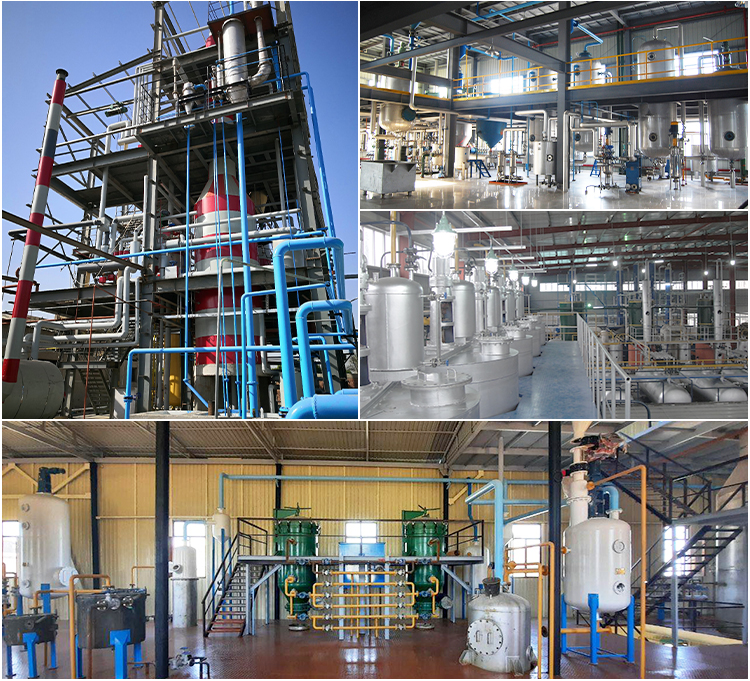
A palm oil refinery plant is a specialized industrial facility designed to process crude palm oil (CPO) and crude palm kernel oil (CPKO) into high-quality, safe, and marketable refined products. Derived from the mesocarp (flesh) and inner kernel of oil palm fresh fruit bunches (FFB), these crude oils contain impurities such as free fatty acids (FFAs), gums, pigments, and odor-causing substances that must be removed through systematic refining. The plant’s core goal is to produce refined, bleached, and deodorized (RBD) palm oil, along with derivatives like palm olein and palm stearin, while optimizing production output, efficiency, and sustainability. Production output varies significantly based on the plant’s scale, automation level, and technology, ranging from small-scale units processing 1–20 tons per day (TPD) to large industrial facilities handling over 3,000 TPD, with annual capacities reaching millions of tons globally.
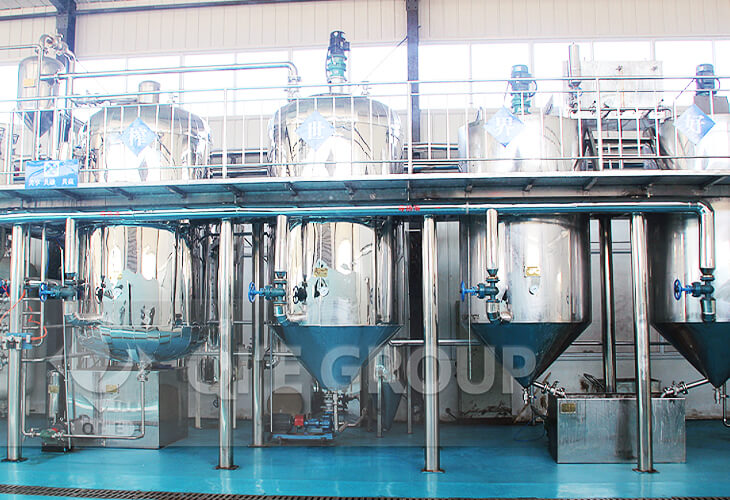
Refinery plants are categorized by their automation level and production output, each tailored to specific business needs and market demand:
Batch Refinery Plant
Ideal for mini and small-scale operations, with a production output of 1–20 TPD. These plants are cost-effective, require less land (as little as 50m² for mini units), and are easy to operate, making them suitable for small enterprises or rural areas. They can process various oils beyond palm oil, including animal oils, and have a short cost recovery period.
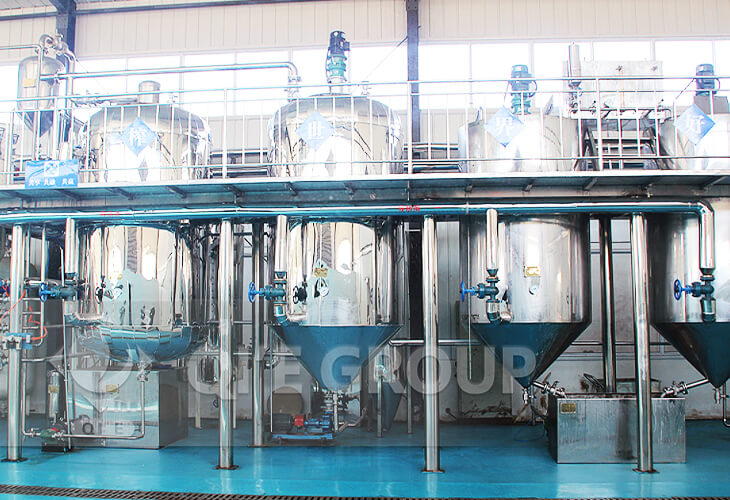
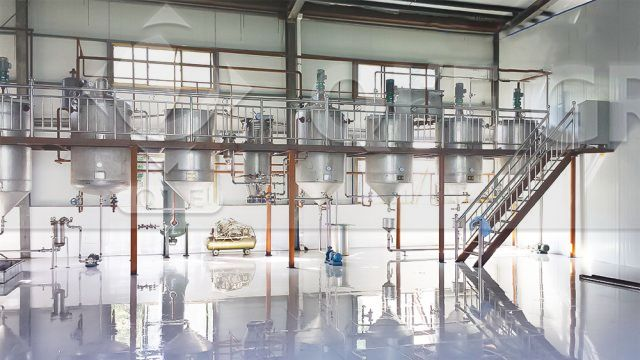
Semi-Continuous Refinery Plant
A mid-scale option with production output ranging from 10–50 TPD (some models up to 30 TPD). It is an improved version of batch refineries, offering higher efficiency and lower costs than continuous plants. This type is the preferred choice for medium-sized factories looking to balance output and investment.
Continuous Refinery Plant
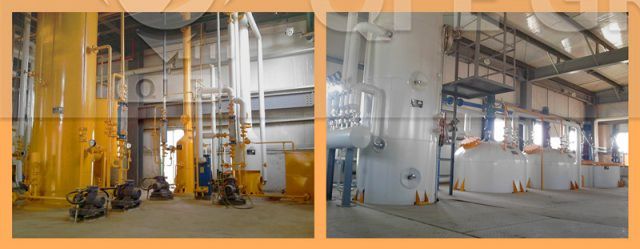
Designed for large-scale, high-volume production, with output starting from 30 TPD and scaling up to 400 TPD or more. State-of-the-art continuous facilities, such as Cargill’s Lampung refinery in Indonesia, can process up to 3,000 TPD, with an annual capacity of 1 million metric tons. These plants feature fully automated PLC/VFD-based operations, ensuring consistent product quality, low long-term production costs, and compatibility with both physical and chemical refining processes. (Related Post: Turnkey 100TPD Palm Oil Refinery Plant>>)
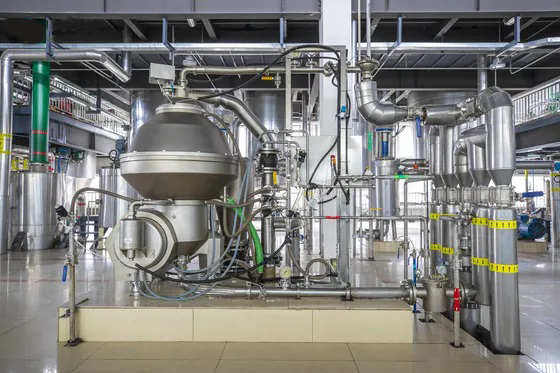
Regardless of scale, all palm oil refineries follow core processing stages to remove impurities and enhance oil quality. The choice of process (physical or chemical) depends on crude oil quality and desired output, with physical refining being the industry mainstream due to its higher efficiency and lower environmental impact.
Physical refining uses steam distillation under high temperature and vacuum conditions, avoiding harsh chemicals. It is suitable for CPO with high acid value (FFA > 5%) and offers advantages like higher refining rates, reduced chemical consumption, and minimal wastewater. The key steps include:
Chemical refining uses alkali (e.g., sodium hydroxide) to neutralize FFAs, forming soapstock that is separated by centrifugation. While mature, this process generates more wastewater and higher chemical costs, making it less ideal for high-FFA crude oil. It is typically used for CPO with FFA < 5%.
Post-refining, RBD palm oil can undergo fractional crystallization to separate into liquid palm olein (low melting point) and solid palm stearin (high melting point), each with specialized applications. This step enhances the plant’s output diversity and market reach.
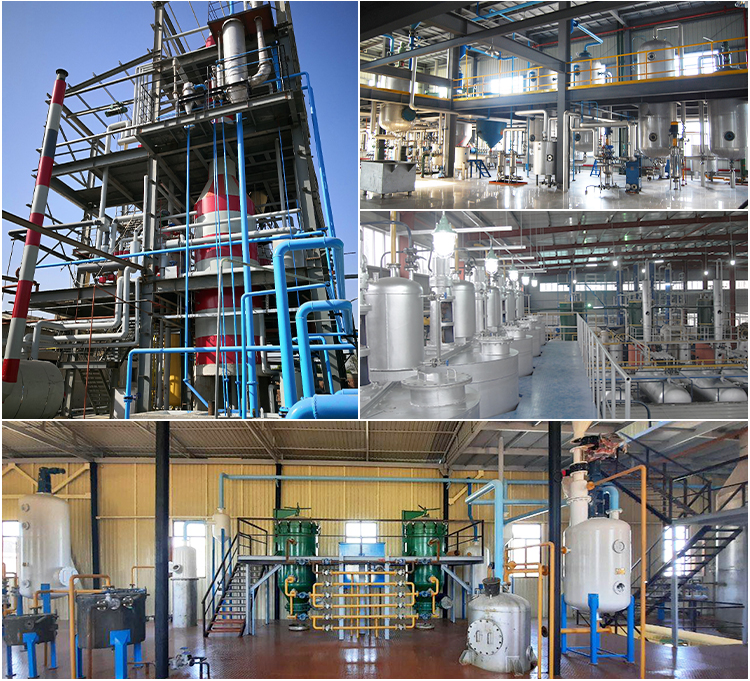
The efficiency and output of a refinery plant depend heavily on its equipment.
Degumming Tanks: For coagulating gums and impurities.
Centrifuges/Decanters: Critical for separating solids, gums, and soapstock from oil. Advanced models like ANDRITZ’s 3-phase decanter optimize oil recovery and reduce energy consumption.
Bleaching Vessels: For mixing oil with adsorbents, equipped with temperature and pressure controls.
Deodorization Towers: Designed for high-temperature vacuum distillation, ensuring efficient removal of odors and FFAs.
Steam Generators and Thermal Oil Furnaces: Supply heat and steam for deodorization and distillation, with thermal oil furnaces capable of reaching temperatures over 280°C.
Several factors influence a palm oil refinery’s production output and yield:
– Crude Oil Quality: High FFA and impurity levels reduce yield and slow processing. Proper pretreatment of crude oil (filtration, degumming) improves output efficiency.
– Plant Scale and Automation: Continuous plants have higher output rates than batch or semi-continuous units, with automation reducing human error and increasing throughput.
– Process Selection: Physical refining offers higher refining rates (up to 98–99%) compared to chemical refining, boosting overall output.
– Equipment Maintenance: Regular maintenance of centrifuges, pumps, and distillation towers prevents downtime and ensures consistent output. For example, ANDRITZ’s decanters are designed for low maintenance, reducing operational interruptions.
Yield optimization is critical for profitability—most modern refineries aim for a refining yield of 95–99%, meaning 95–99 tons of RBD palm oil are produced from 100 tons of CPO, depending on crude oil quality and process efficiency.
A palm oil refinery plant is a vital link in the global palm oil supply chain, transforming crude oils into high-value products for food, oleochemical, and biofuel industries. Its production output ranges from small-scale (1–20 TPD) to large industrial (3,000+ TPD) operations, with scale and automation dictating efficiency and profitability. By adopting advanced technologies, optimizing processes, and prioritizing sustainability, refineries can achieve high yields, consistent quality, and compliance with global standards. Whether for small enterprises or large corporations, understanding the plant’s types, processes, and output factors is essential for successful operation in the palm oil i


Palm Oil Production Line
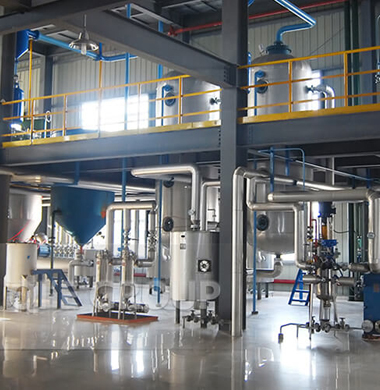
Palm Oil Refinery Plant
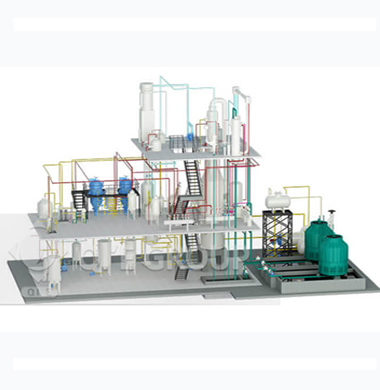
Palm Oil Fractionation Plant

Small Scale Palm Oil Processing Plant
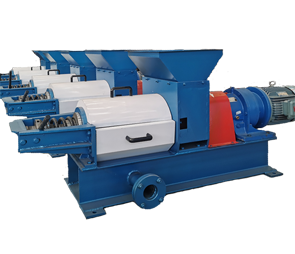
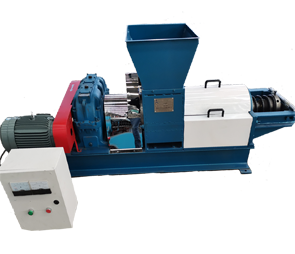
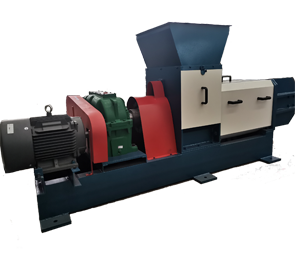
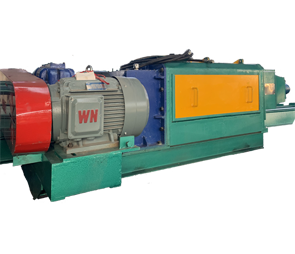
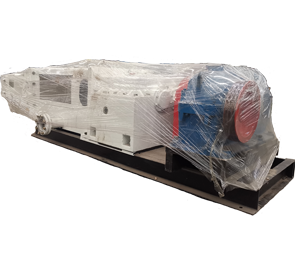
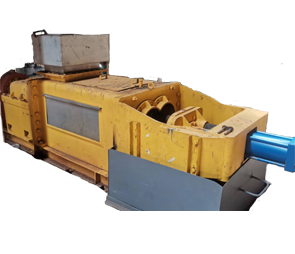
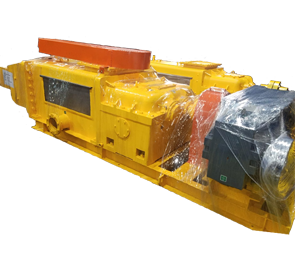
QIE Machinery offers a complete range of core equipment and related auxiliary equipment for palm oil solutions.
Whether you contact us by phone, email, or leave a message online, we will provide you with comprehensive and high-quality services.
Phone: 0086-13949113983
WhatsApp:
Email: qiea@oilpresses.org
Address: No.352 Lianhua Street, Hightech Industrial Development Zone, , Zhengzhou City,Henan Province, China