QIE Machinery
QIE Machinery
QIE Machinery
QIE Machinery

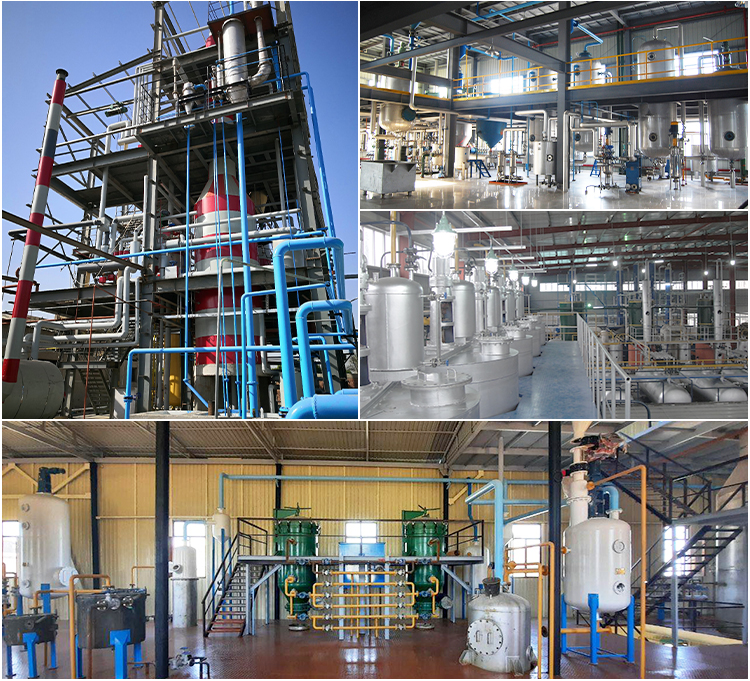
Physical refining is a streamlined distillation process tailored specifically for crude palm oil, which typically contains high levels of free fatty acids but low concentrations of gums. Unlike chemical refining, which uses caustic soda to neutralize acids, this method utilizes high-heat steam distillation to remove impurities. The result is a highly efficient operation that produces Refined, Bleached, and Deodorized Palm Oil (RBDPO) while minimizing neutral oil loss.
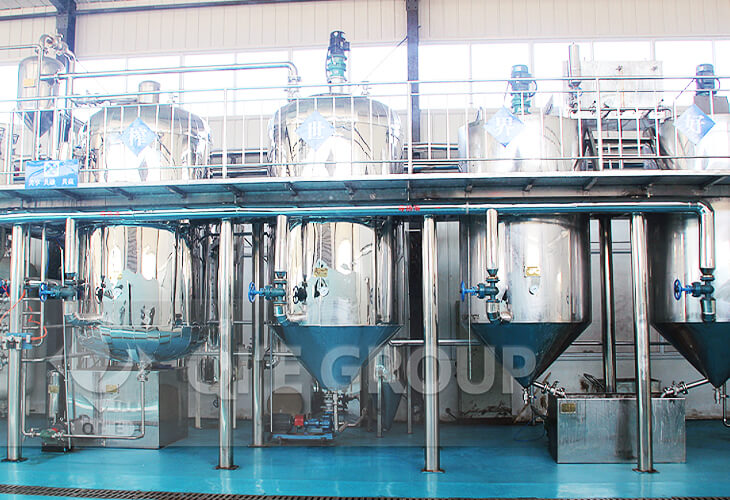
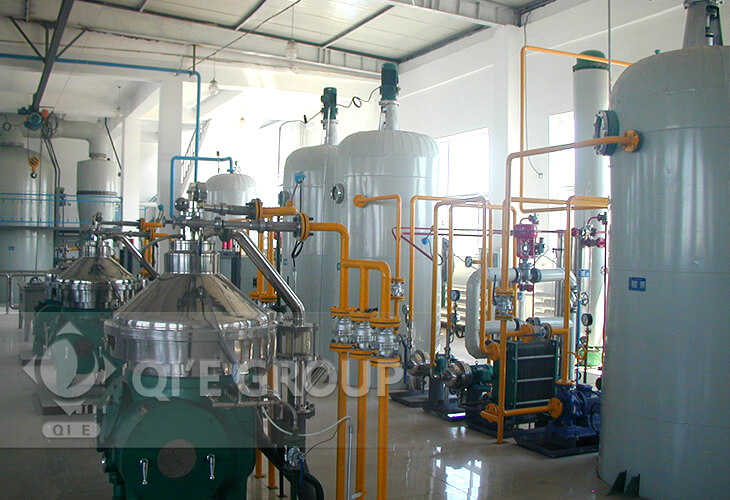
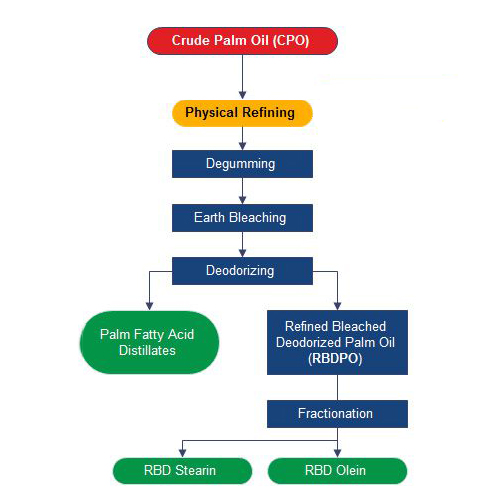
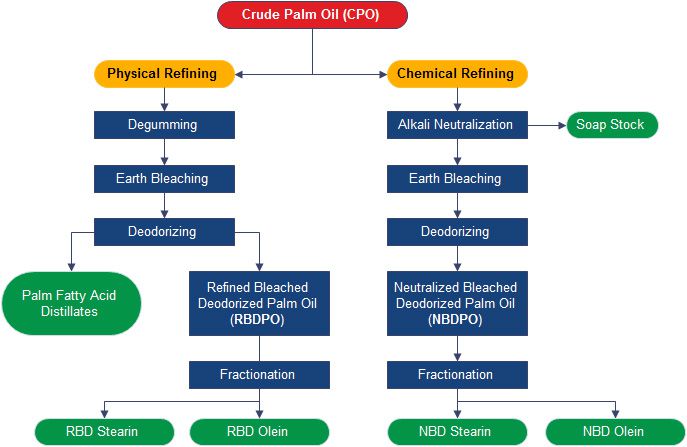
Oil physical refining process, also called as oil steam refining. During the degumming section in the palm oil milling plant, the gum will be removed from palm oil by utilizing phosphoric acid or citric acid. Next to bleaching section, the coloring matter and other metal ions will be absorbed or removed. Then, in the deacidification and and deodorization section, the crude palm oil will be processed within low pressure and high temperature. Through live stem, the FFA will be stripped of and the odors and colors will be removed or absorbed.
Pre-treatment and Degumming
The process begins by removing “gums” (phosphatides) that can cause the oil to darken or foam during heating. Crude palm oil is mixed with a small amount of food-grade phosphoric acid (0.05%–0.1%), which converts non-hydratable phosphatides into a form that can be easily absorbed and removed. This stage is critical because residual gums can interfere with the efficiency of the later deacidification step.
Bleaching and Filtration
Once degummed, the oil is mixed with activated bleaching earth under a vacuum. This clay-like material acts as a sponge, pulling out carotenes (the source of palm oil’s deep orange color), trace metals, and oxidation products. The mixture is then passed through a “leaf filter” to remove the spent earth, resulting in a clear, light-yellow “bleached” oil that is ready for high-temperature processing.
Deacidification and Deodorization
In this dual-purpose stage, the bleached oil is heated to 240–260°C inside a deodorizing tower under a high vacuum. As “live” steam is injected, it strips away the Free Fatty Acids (FFAs) and volatile odor compounds. Unlike chemical refining, which turns these acids into soap, physical refining vaporizes them, allowing them to be condensed and recovered as a valuable by-product.
Cooling and Fractionation Preparation
After the impurities are removed, the oil is rapidly cooled through heat exchangers to stabilize its flavor and prevent oxidation. The final product at this stage is Refined, Bleached, and Deodorized Palm Oil (RBDPO). Depending on the intended use, the oil may then undergo fractionation, where it is cooled further to separate it into liquid Olein (for cooking oil) and solid Stearin (for fats like margarine).
By-product Recovery (PFAD)
A standout feature of physical refining is the collection of Palm Fatty Acid Distillate (PFAD). The vapors removed during the deacidification stage are condensed into this fatty substance. Because it is highly concentrated in FFAs, PFAD is sold separately as a raw material for the chemical, soap, and biodiesel industries, providing a significant secondary revenue stream for the refinery.
Physical refining is generally preferred for palm oil because it offers a higher oil yield, lower production costs, and a significantly reduced environmental impact compared to chemical refining.
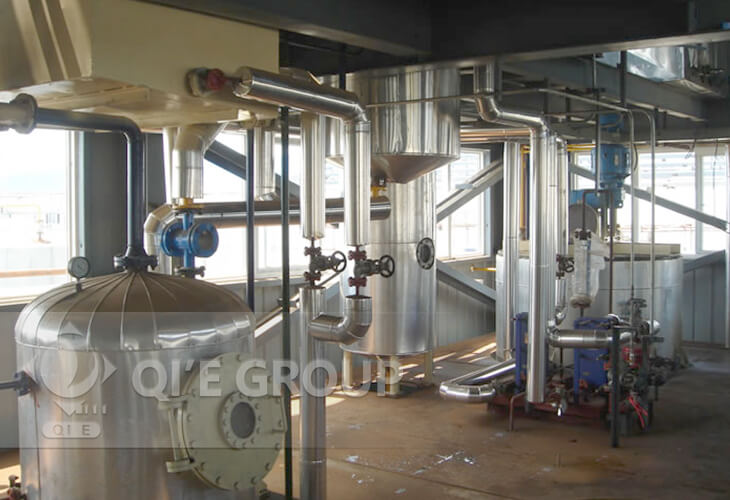
Physical Refining of Palm Oil
Physical refining is also known as steam refining. In degumming process, it utilizes citric acid or food grade phosphoric acid to remove natural gums in the form of phosphatides. Then, in bleaching process, under vacuum, Fuller’s Earth is used to remove colouring matters and adsorb any metal ions. The deacidification and deodorization process is under high temperature and low pressure. By used of live steam, the FFA is stripped of. The steam is then recovered together with the entrained oil is as palm fatty acid distillate. The off-flavors and odours can also be removed from the crude palm oil in the steam distillation process. Before polishing, the refined oil needs to be cooled to 55°C.
Chemical Refining of Palm Oil
In the chemical refining process, the FFA is removed by neutralisation with caustic soda (sodium hydroxide). This chemical reaction produces neutralised CPO and a soap stock. By used of a high-speed separator, the soap stock can be separated from the oil. Then, through earth bleaching, colour pigments and metal ions are removed from the neutralised oil. Then, in deodorization process, odoriferous matters such as ketones and aldehydes are removed by steam distillation under vacuum.
The choice between physical and chemical refining depends primarily on the quality of the crude palm oil (CPO) and the desired efficiency. Physical refining is the industry standard for palm oil due to its high Free Fatty Acid (FFA) content and low gum content.
| Feature | Physical Refining | Chemical Refining |
|---|---|---|
| Primary Mechanism | Steam distillation under vacuum | Chemical neutralization (Caustic Soda) |
| FFA Removal | High-temp steam stripping | Reaction with NaOH to form soapstock |
| Oil Yield | Higher (~98.9% recovery) | Lower (~98.6% recovery) |
| Main By-product | Palm Fatty Acid Distillate (PFAD) | Soapstock (Acid Oil) |
| Chemical Use | Low (no caustic soda needed) | High (acid, alkali, and wash water) |
| Environmental Impact | Lower (less wastewater) | Higher (more effluent treatment needed) |
| CPO Requirement | Requires low-gum, high-quality CPO | Can handle lower quality, high-gum CPO |
| Cost | Higher energy (heat), lower chemicals | Higher chemical and waste treatment costs |


Palm Oil Production Line
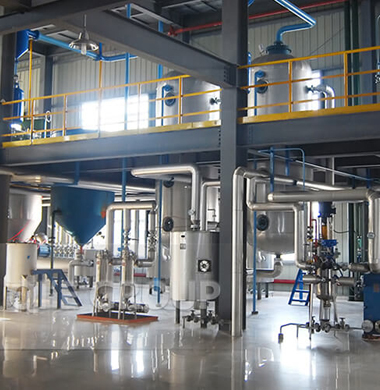
Palm Oil Refinery Plant
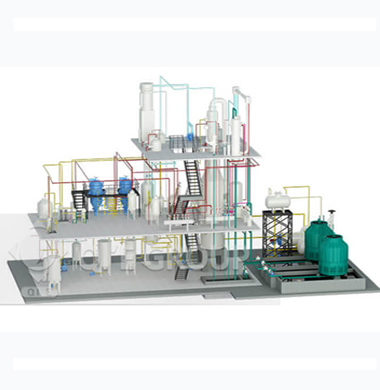
Palm Oil Fractionation Plant

Small Scale Palm Oil Processing Plant
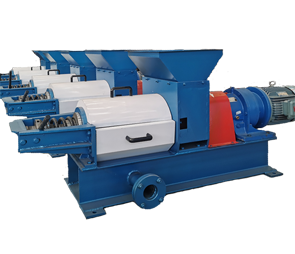
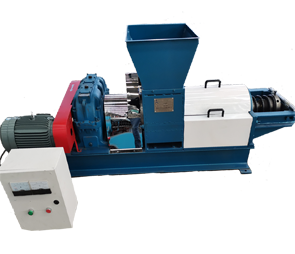
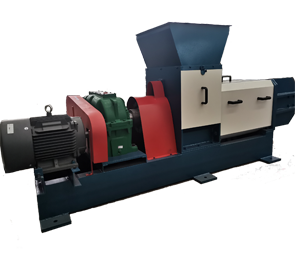
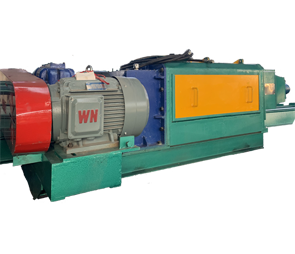
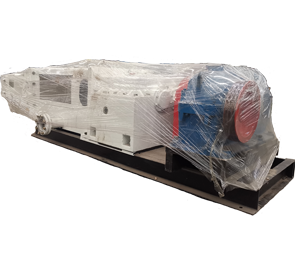
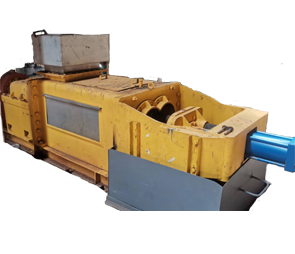
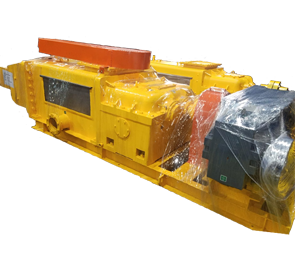
QIE Machinery offers a complete range of core equipment and related auxiliary equipment for palm oil solutions.
Whether you contact us by phone, email, or leave a message online, we will provide you with comprehensive and high-quality services.
Phone: 0086-13949113983
WhatsApp:
Email: qiea@oilpresses.org
Address: No.352 Lianhua Street, Hightech Industrial Development Zone, , Zhengzhou City,Henan Province, China