QIE Machinery

QIE Machinery

                QIE MACHINERY

How to Start a Palm Oil Processing Plant in Nigeria

2026-09-10 07:45:12

Nigeria has a long history of palm oil production and remains one of the largest palm oil-producing countries in Africa. However, local demand for edible palm oil, palm kernel oil, cosmetics ingredients, and industrial raw materials continues to create opportunities for investors. Setting up a palm oil processing plant can range from a small community mill to a large-scale integrated factory depending on available capital, raw material supply, and market goals.

Understanding the Palm Oil Industry in Nigeria

Overview of Nigeria’s Palm Oil Industry

Oil palm (Elaeis guineensis) is native to West Africa, and Nigeria has a long tradition of palm cultivation and processing. The industry includes:

  • Oil palm cultivation
  • Fresh fruit bunch (FFB) harvesting
  • Palm oil milling
  • Palm kernel processing
  • Palm oil refining
  • Packaging and distribution
  • Industrial applications

Nigeria remains one of the world’s major palm oil producers, but domestic demand exceeds local supply, creating opportunities for new plantations and processing facilities.

Historical Importance of Palm Oil in Nigeria

During the early 20th century and into the 1960s, palm oil was one of Nigeria’s leading export commodities. The country was once the world’s largest palm oil producer, contributing significantly to national revenue and rural livelihoods.

However, the industry experienced decline due to:

  • Shift of investment toward petroleum
  • Aging palm plantations
  • Limited adoption of modern processing technology
  • Low productivity among smallholder farms
  • Poor infrastructure in rural production areas

Today, Nigeria is working to rebuild its palm oil sector through plantation development, improved processing technology, and private-sector investment.
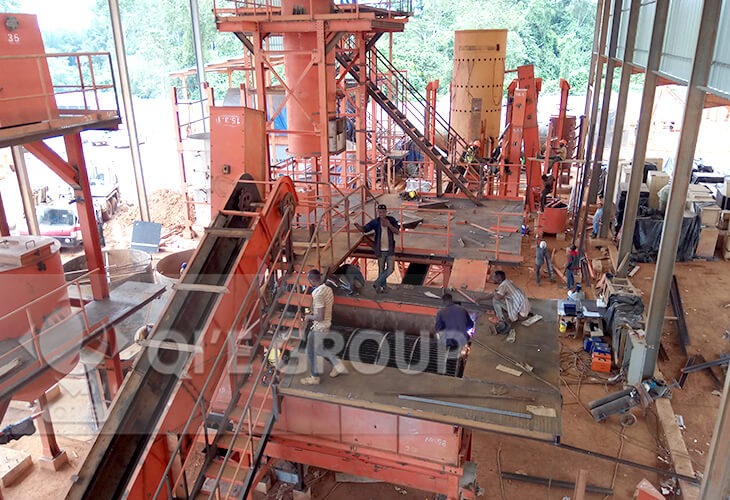
Market Demand for Palm Oil in Nigeria

Nigeria has a large domestic market because palm oil is widely used for:

Food Applications

  • Cooking oil
  • Frying
  • Traditional dishes
  • Food processing

Industrial Applications

  • Soap production
  • Cosmetics
  • Personal care products
  • Oleochemicals

Animal Feed

  • Palm kernel cake as livestock feed ingredient

Growing population and industrial demand continue to support palm oil consumption.

Selecting Your Processing Capacity

Capacity is measured in Tons Per Hour (TPH) for Fresh Fruit Bunch (FFB) milling, or Tons Per Day (TPD) for crude oil refining.

Scale Capacity Range Daily FFB Needed (8hr shift) Target Business Model & Best Fit
Small Scale Palm Oil Processing Plant 1 to 2 TPH 8 – 16 Tons Best for startups sourcing from local smallholders. Easy to manage, low footprint, and can be expanded with modular additions.
Medium Scale Palm Oil Processing Plant 5 to 15 TPH 40 – 120 Tons Best for investors with a small plantation (500+ hectares) or guaranteed supply contracts with multiple farming cooperatives.
Large Industrial Palm Oil Processing Plant 30 to 60+ TPH 240+ Tons Best for corporate conglomerates (like Presco or Okomu). Requires massive nucleus estates, automated logistics, and a dedicated power substation.

For most private investors in Nigeria, medium-scale plants (5–10 TPH) offer a balanced entry point—affordable investment, good processing efficiency, and manageable operations.
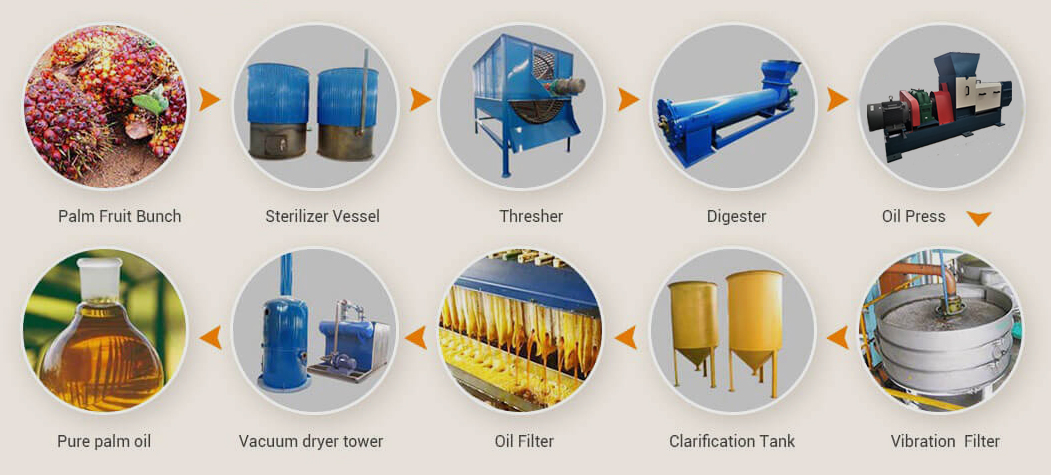
List Of Palm Oil Processing Equipment:

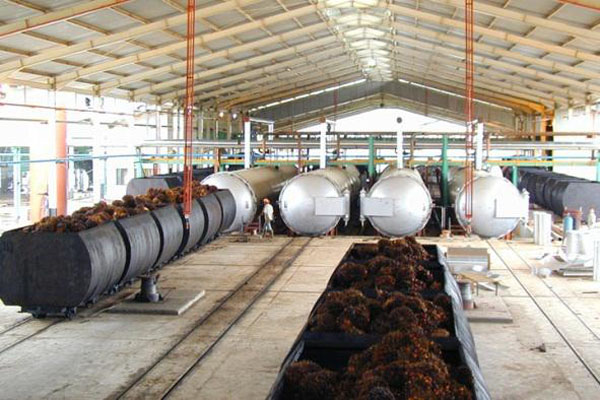
  • Sterilization Unit (Industrial Cooker): Vertical or horizontal high-pressure steam autoclaves. They use steam to soften the palm fruits, detach them from the stalks, and deactivate the enzymes that cause rancidity (raising FFA levels).
  • Threshing Machine (Stripper): A heavy, rotating drum that mechanically separates the softened palm fruits from the hard, empty fruit bunches (EFB).
  • Digester (Crushing Tank): A vertical cylindrical vessel equipped with rotating beating arms. It reheats and mashes the fruit pulp, breaking down the oil-bearing cells before pressing.
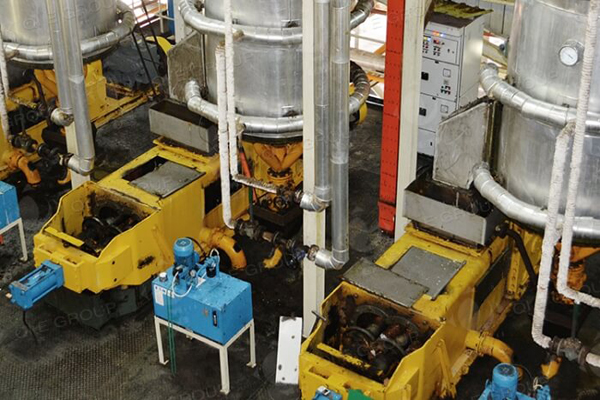
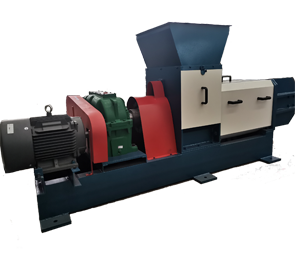
  • Double-Screw Press: The mechanical heart of the mill. It applies high hydraulic pressure to the digested mash to squeeze out a slurry mixture of crude oil, water, and fiber cake.
  • Oil Clarification Tank: A settling and centrifugal separation system. It uses heat and gravitational settling to separate pure red palm oil from the water, sludge, and solid debris.
  • Plate & Frame Oil Filter Press: Uses fine filter cloth layers to strain out microscopic impurities, ensuring the final crude oil is clear and free of sediment.
  • Vapor Dehydrator / Oil Dryer: A vacuum heating chamber that flashes off any remaining moisture in the oil to below 0.1%, preventing spoilage during storage.
  • Depericarper & Nut Cracker: Separates the leftover fiber from the hard inner palm nuts, then cracks the shells to retrieve the valuable palm kernels for secondary pressing.
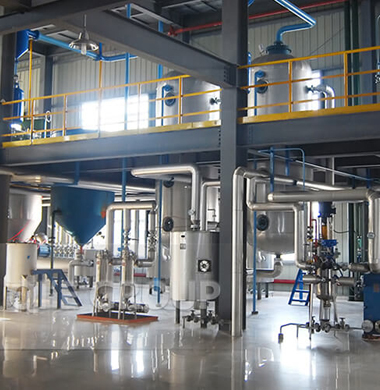
  • Degumming & Neutralization Vessels: Mixing tanks where phosphoric acid and food-grade caustic soda are introduced to strip out gums, phosphatides, and excess Free Fatty Acids (FFA).
  • Bleaching Earth Filter (Deodorizer Pre-treatment): A vacuum bleaching tank that utilizes activated clay or “bleaching earth” to adsorb and filter out the natural deep red carotene pigments.
  • Deodorization Tower: A high-vacuum, high-temperature steam distillation column. It strips volatile odor compounds, leaving the oil completely odorless and neutral in flavor.
  • Dry Fractionation Crystallizer: A specialized cooling tank equipped with precision temperature controls. It slowly chills the refined oil to crystalize the solid fats (Stearin) so they can be separated from the premium liquid cooking oil (Olein).
  • Automated Liquid Filling & Bottling Line: Conveyor-driven machinery that measures, fills, caps, and labels the finished cooking oil into plastic jerrycans or PET bottles for retail distribution.
  • Biomass Boiler: Generates the massive volume of steam needed for sterilization. It can be fueled entirely for free by burning the factory’s own waste product—empty fruit bunches and cracked nut shells.
  • Three-Phase Industrial Generator: Provides heavy, consistent power to drive the high-torque thresher and screw press motors.
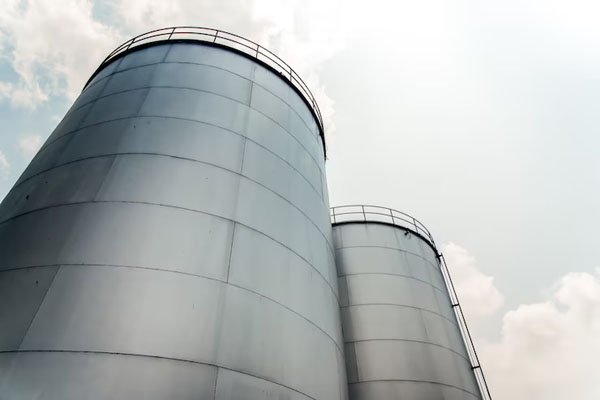
  • Bulk Oil Storage Tanks (Tank Farm): Large industrial silos equipped with internal thermal heating coils to prevent the palm oil from solidifying during cold harmattan or rainy seasons.

Designing and Constructing the Plant

The design and construction stage is a critical part of establishing a successful palm oil processing plant in Nigeria. A well-planned factory layout, suitable infrastructure, and efficient equipment arrangement can improve production efficiency, reduce operating costs, and ensure smooth long-term operation.

The plant design should consider processing capacity, raw material flow, environmental conditions, expansion plans, and local operating conditions.

1. Conduct Project Planning and Site Assessment

Before construction begins, a detailed feasibility study and engineering plan should be completed.

Key factors to evaluate include:

  • Availability of fresh fruit bunches (FFB)
  • Land size and topography
  • Road access for trucks
  • Water availability
  • Electricity and fuel supply
  • Environmental requirements
  • Future expansion possibilities

The selected site should be close to palm plantations to reduce transportation costs and minimize delays between harvesting and processing.

2. Determine Plant Layout Design

A good palm oil mill layout should ensure a logical production flow:

FFB Reception Area

Sterilization Section

Threshing Area

Digestion & Pressing Section

Clarification Area

Oil Storage Tanks

Palm Kernel Processing Area

The layout should minimize:

  • Material handling distance
  • Production bottlenecks
  • Cross-contamination risks
  • Energy losses

Main Areas of a Palm Oil Processing Plant

1. Fresh Fruit Bunch (FFB) Reception

Functions:

  • Receiving harvested palm fruits
  • Weighing and inspection
  • Temporary storage before processing

Design considerations:

  • Truck access
  • Concrete flooring
  • Drainage system
  • Sufficient unloading space

Because FFB quality declines after harvesting, the reception area should allow quick movement into processing.
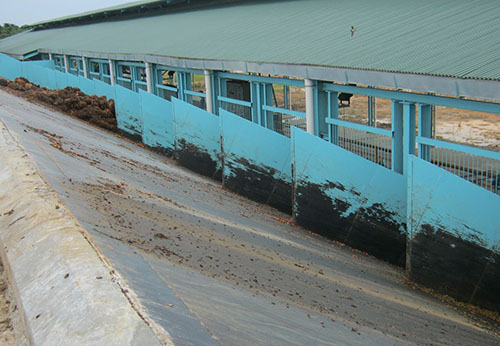
2. Sterilization Section

The sterilizer area is designed for:

  • Steam treatment of palm fruits
  • Enzyme deactivation
  • Easier fruit separation

Construction requirements:

  • Strong foundation
  • Steam pipeline connections
  • Safety clearance
  • Proper drainage

3. Threshing and Digestion Area

This section separates fruits from bunches and prepares the pulp for oil extraction.

Important considerations:
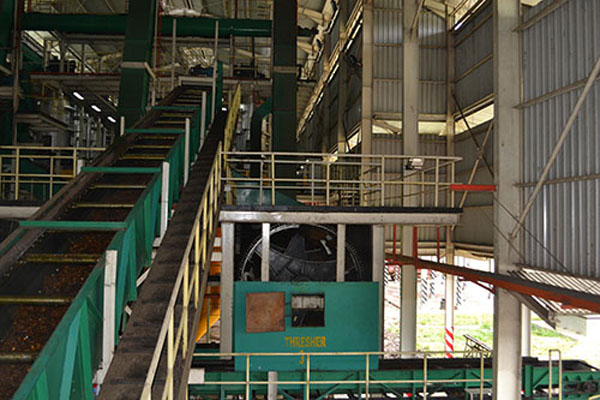
  • Equipment foundation strength
  • Conveyor arrangement
  • Operator safety
  • Maintenance access

4. Pressing and Oil Clarification Area

The pressing section is where crude palm oil is extracted.

Includes:

  • Screw presses
  • Crude oil tanks
  • Vibrating screens
  • Clarification tanks
  • Oil purification systems

A good design helps improve:

  • Oil recovery rate
  • Oil quality
  • Production stability

5. Storage and Packaging Area

The storage area should include:

  • Crude palm oil tanks
  • Palm kernel storage
  • Finished product loading area

Storage tanks should be designed to prevent:
  • Water contamination
  • Oxidation
  • Product quality deterioration

Conclusion

Designing and constructing a palm oil processing plant in Nigeria requires careful planning of site selection, factory layout, equipment arrangement, utilities, and environmental systems.

A successful plant design should:

✅ Match processing capacity with available FFB supply
✅ Provide efficient material flow
✅ Include reliable power and water systems
✅ Allow future expansion
✅ Meet environmental standards

For most investors entering Nigeria’s palm oil sector, a well-designed 1–10 TPH or 10–30 TPH palm oil processing plant provides a practical balance between investment cost, operational efficiency, and growth potential.

How to Start a Palm Oil Processing Plant in Nigeria

Request Quote

Related News

Complete Guide to Palm Oil Production

Palm Oil Production Line

Palm Oil Refinery Plant
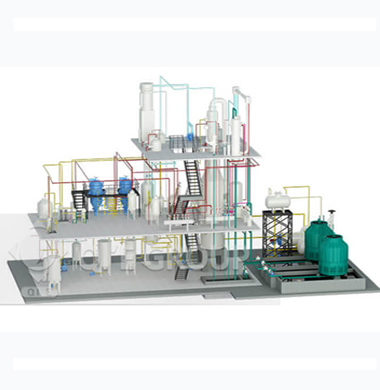
Palm Oil Fractionation Plant

Small Scale Palm Oil Processing Plant
Processing Capacity:
0.5TPH

Residual Oil Rate:
≤8%

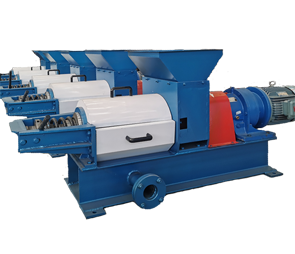
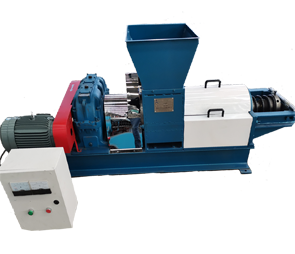
0.5TPH Palm Fruit Oil Press Machine

Processing Capacity:
1TPH

Residual Oil Rate:
≤8%

1TPH Palm Fruit Oil Press Machine

Processing Capacity:
2TPH

Residual Oil Rate:
≤8%

2TPH Palm Fruit Oil Press Machine

Processing Capacity:
3TPH

Residual Oil Rate:
≤7%

3TPH Palm Fruit Oil Press Machine

Processing Capacity:
5TPH

Residual Oil Rate:
≤7%

5TPH Palm Fruit Oil Press Machine

Processing Capacity:
10TPH

Residual Oil Rate:
≤7%

10TPH Palm Fruit Oil Press Machine

Processing Capacity:
15TPH

Residual Oil Rate:
≤7%

15TPH Palm Fruit Oil Press Machine

Auxiliary Display

QIE Machinery offers a complete range of core equipment and related auxiliary equipment for palm oil solutions.

Scroll to top