QIE Machinery
QIE Machinery
QIE Machinery
QIE Machinery

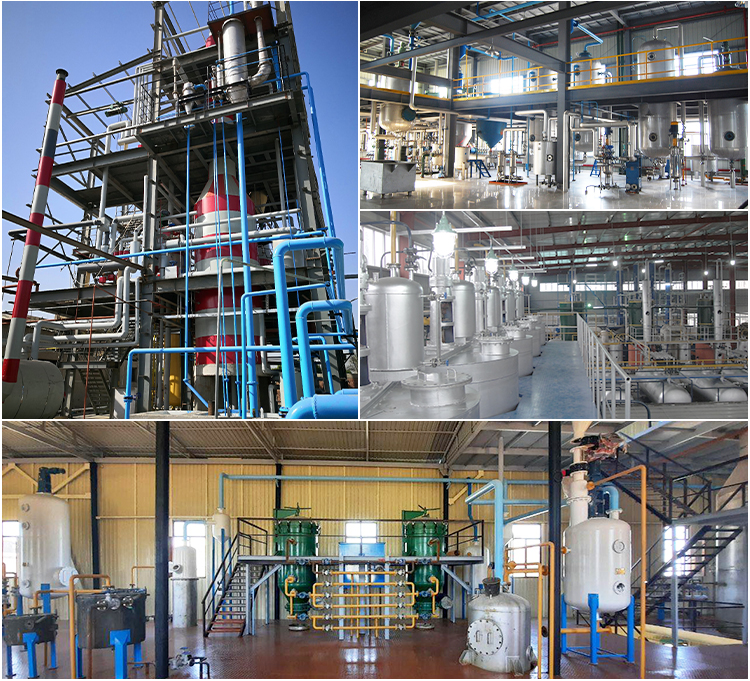
Degumming is the essential first step in refining crude palm oil (CPO) to remove phospholipids (gums), which can cause cloudiness, off-flavors, and reduced stability. Because palm oil has a relatively low phospholipid content (typically 10–20 ppm), dry degumming is the standard industrial method, though other specialized techniques exist.
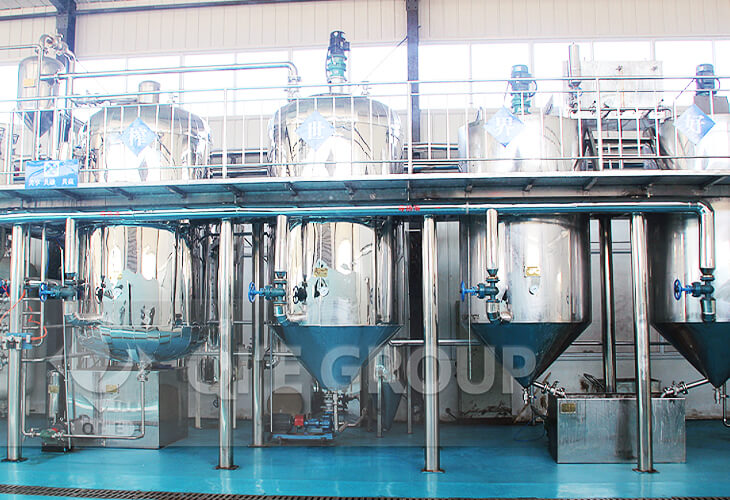
The three primary types of palm oil degumming are Dry, Water, and Acid degumming. While water and acid methods are common in the broader edible oil industry, dry degumming is specifically preferred for palm oil due to its relatively low phospholipid (gum) content.
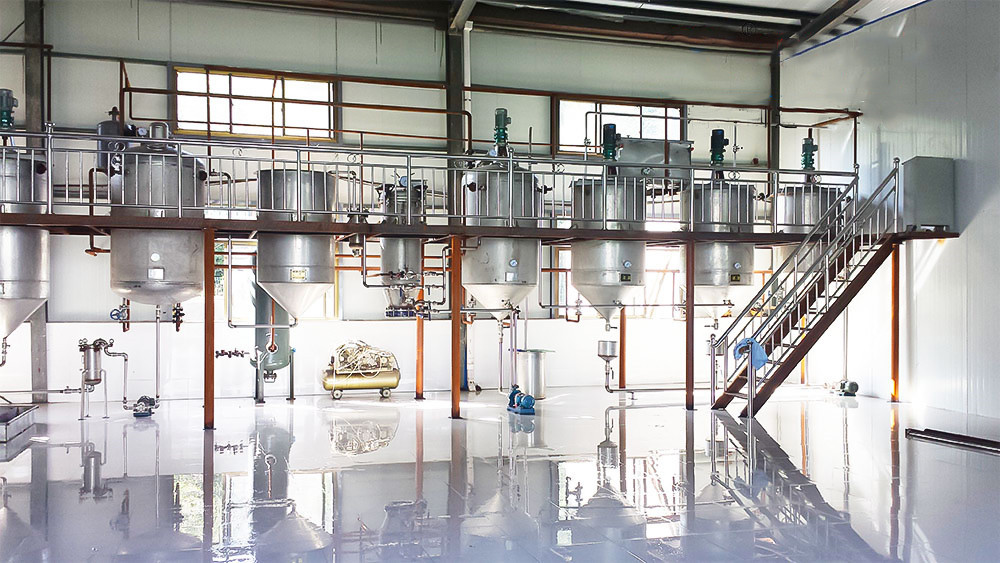
Dry Degumming (Most Common for Palm Oil)
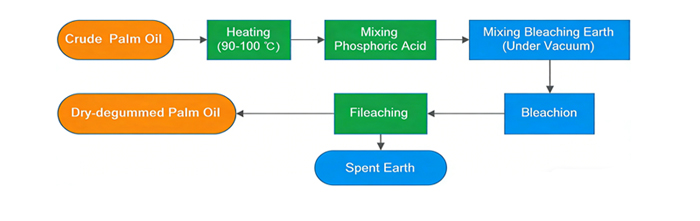
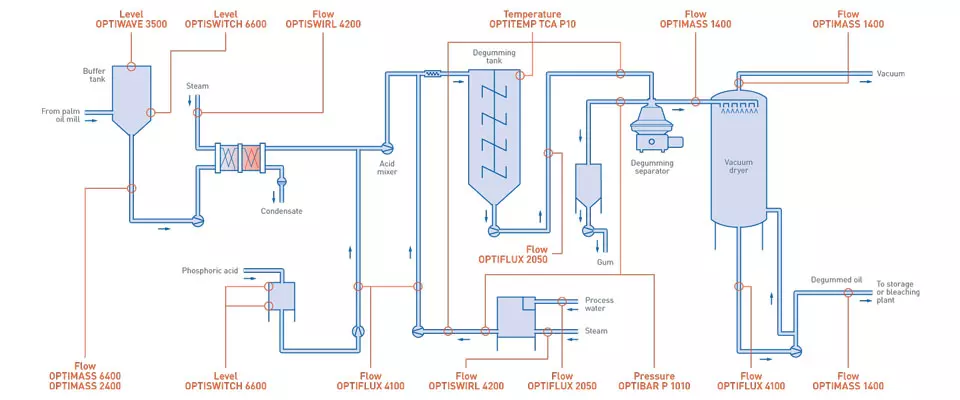
Dry degumming is widely applied in refining low phosphatide oil such as palm oil, or used for preparing oils for further physical refining. Gums are removed through precipitation by acid conditioning and via filtration in the bleaching process, rather than centrifugal separation. It is a well-proven degumming method featured of cost effective. Below shows the flow diagram of dry degumming process of palm oil refining.
Dry degumming process of palm oil: For crude palm oil refining plant, drying degumming process is suggested. Classically, crude palm oil is first mixed with about 0.05– 0.1% concentrated phosphoric acid. Then, after a short retention time, about 1 or 2% acid-activated bleaching earth is added under vacuum at a temperature of 80–120℃. After a suitable contact time, the spent earth is removed by filtration. Phosphoric acid is mainly used by palm oil refiners especially in Malaysia, due to economical reasons. However, citric acid is also used in some cases. The critical factor affecting the quality of refined palm oil is the introduced amount of acid. Either over or under dosage can lead to darkening and offflavor problems of the RBD palm oil.
Water Degumming
Water degumming is suggested for refining crude oil with phosphorus content around 200ppm, such as soybean oil. The crude oil is firstly go through precipitatation by pure water hydration. Then gums are removed from the crude oil by using the principle of centrifugal separation. Water is the key agent in this degumming process. Below shows the flow diagram of water-degumming process of oil refining plant.
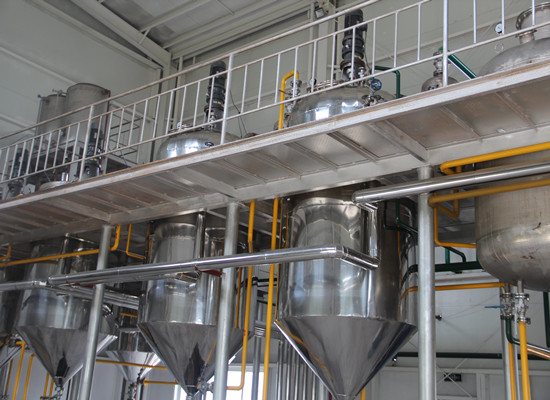
Acid Degumming
Acid degumming is used for oils with non-hydratable gums, employing phosphoric acid to condition the oil. The process involves mixing in the acid, heating to about 90°C, and removing precipitated gums via centrifugal separation.
For palm oil, it’s more of a backup method, as dry degumming is standard, but it can reduce phosphorus to 5-30 ppm, sometimes cooling to 40°C for super degumming.
| Feature | Dry Degumming | Water Degumming | Acid Degumming |
|---|---|---|---|
| Main Agent | Acid + Bleaching Earth | Pure Water | Acid + Water |
| Target | All gums (at low levels) | Hydratable gums | Non-hydratable gums |
| Separation | Filtration | Centrifugation | Centrifugation |
| Suitability | Ideal for Palm Oil | High-gum oils (e.g. Soy) | Variable crude quality |
The degumming process of palm oil removes the gums contained in crude palm oil. It includes six steps: crude palm oil preparation, temperature increase, phosphoric acid addition, mixing reaction, sedimentation separation, and vacuum drying.
Step1: Crude oil preparation
The first step in the degumming process is to ensure that the quality of palm oil meets the process requirements. This step includes preliminary filtration of the crude oil to remove large particles such as suspended matter, cake crumbs, etc. At the same time, check the key indicators of the crude oil such as phospholipid content, acid value, peroxide value, etc. to provide data support for subsequent processing.
Step2: Raise the temperature
Then, Heat the prepared crude palm oil to 60°C~80°C. Accelerate the dissolution of impurities such as phospholipids, and increase their reactivity with chemical degumming agents. In addition, the appropriate temperature also helps to reduce the viscosity of the oil and promote uniform mixing.
Step3: Add phosphoric acid
After the temperature reaches the required level, add phosphoric acid to the palm oil slowly and evenly. Phosphoric acid can effectively combine with phospholipids to form a complex that is insoluble in oil. Thereby achieving the removal of phospholipids.
The amount of phosphoric acid added needs to be calculated based on the phospholipid content of the crude oil and the process requirements. Too much or too little will affect the degumming effect.
Step4: Mixing reaction
After adding phosphoric acid, mix the palm oil. Ensure phosphoric acid and phospholipids are fully in contact and react. During the mixing process, use an agitator or pump circulation to ensure uniform mixing and sufficient reaction.
The time of the mixing reaction is also one of the key factors affecting the degumming effect, which adjusts according to the specific process conditions.
Step5: Sedimentation and separation
After the mixing reaction, the complex formed by phospholipids and phosphoric acid will gradually settle to the bottom of the oil to form phospholipid feet. At this time, separate the phospholipid feet from the degummed palm oil by static sedimentation or centrifugal separation. This step is crucial to improve the purity and stability of the oil.
Step6: Vacuum drying
Finally, vacuum-dry the degummed palm oil. Vacuum drying can effectively remove trace moisture and volatile impurities in the oil, further improving the quality of the oil.
In a vacuum environment, lowering the temperature for heating can prevent the oil from oxidizing and deteriorating at high temperatures. Ensure that the color, smell, and nutritional value of the oil are well maintained.
Degumming of palm oil is referred as an operation of purification in palm oil refining process, since crude palm oil (CPO) normally contains impurities in the colloidal state or dissolved in them. In degumming process, phospholipids featured of strong emulsifying action are removed by a variety of treatments. The objective is achieved by treating the CPO with specified quantity of food grade acid, normally phosphoric or citric acid of certain concentration, either singly or in combination. The precipitated materials are then removed by centrifuging, filtering or adsorption. In short, degumming of palm oil is a process of removing unwanted gums, so that to ensure the stability of the palm oil in later stage of refining plant.
What is the primary purpose of degumming?
Impurity Removal: It eliminates phospholipids which can cause the oil to become dark or settle during storage.
Stability: Removing gums ensures the oil remains stable for subsequent refining steps like bleaching and deodorization.
Process Efficiency: It prevents “neutralization losses” and equipment fouling in later stages.
Which degumming method is best for CPO?
Acid degumming is the industry standard for physical refining (90%+ of large plants). Dry degumming works for low-phosphorus CPO; hydration alone is insufficient for most CPO due to NHLPs.
What types of gums exist in CPO, and how do they differ?
Hydratable phospholipids (HLP): Absorb water, aggregate, and separate (e.g., PC). Removed by hydration alone.
Non-hydratable phospholipids (NHLP): Chelated with Ca²⁺/Mg²⁺ (e.g., PA, PE). Require acid activation to convert to HLP before removal.
CPO has low total phospholipids but a high NHLP fraction—making acid-assisted degumming mandatory for physical refining.
What is the standard acid degumming workflow for physical refining?
Heating: CPO → 80–90°C (prevents viscosity issues).
Acid Addition: 0.06–0.20 wt% food-grade phosphoric acid (85%), mix 15–30 min (converts NHLP to HLP).
Water Addition: 1–3 wt% hot water (85–95°C), mix 20–40 min (hydrates gums).
Separation: Centrifuge (3000–6000 rpm) or settling tank (6–8 h) to remove gum sludge.
Drying: Vacuum dry (≤5 mbar, 100–110°C) to <0.1% moisture.


Palm Oil Production Line
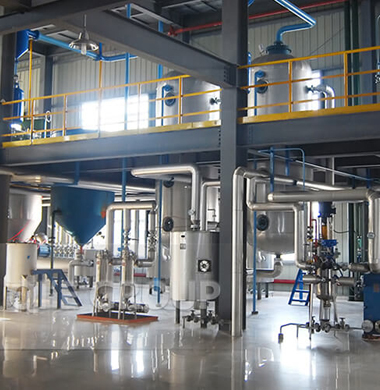
Palm Oil Refinery Plant
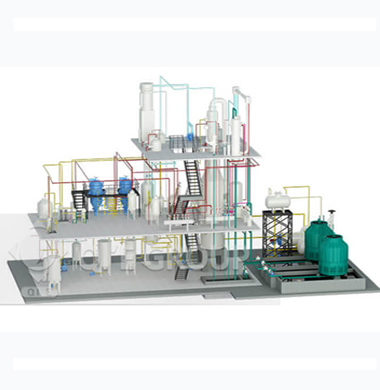
Palm Oil Fractionation Plant

Small Scale Palm Oil Processing Plant
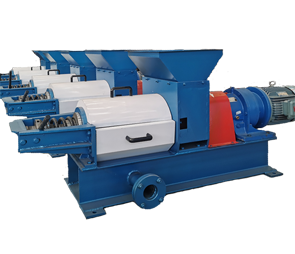
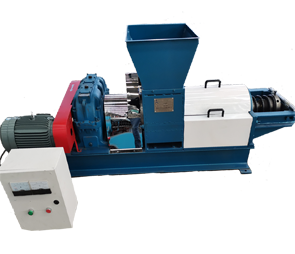
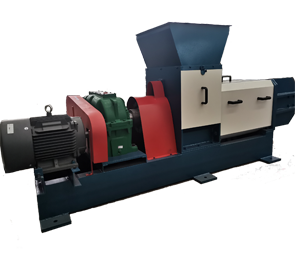
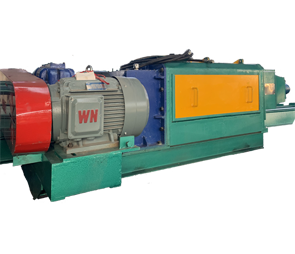
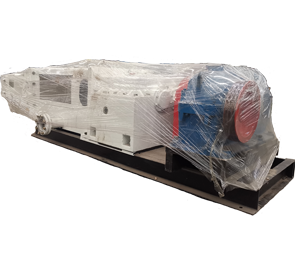
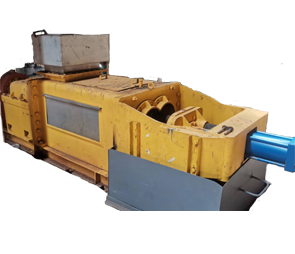
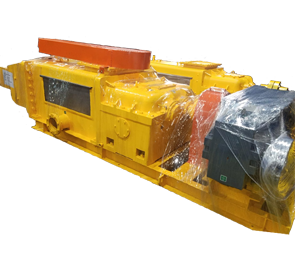
QIE Machinery offers a complete range of core equipment and related auxiliary equipment for palm oil solutions.
Whether you contact us by phone, email, or leave a message online, we will provide you with comprehensive and high-quality services.
Phone: 0086-13949113983
WhatsApp:
Email: qiea@oilpresses.org
Address: No.352 Lianhua Street, Hightech Industrial Development Zone, , Zhengzhou City,Henan Province, China