
QIE Machinery
QIE Machinery
QIE Machinery
QIE Machinery

Nigeria has a long history of palm oil production and remains one of the largest palm oil-producing countries in Africa. However, local demand for edible palm oil, palm kernel oil, cosmetics ingredients, and industrial raw materials continues to create opportunities for investors. Setting up a palm oil processing plant can range from a small community mill to a large-scale integrated factory depending on available capital, raw material supply, and market goals.

Oil palm (Elaeis guineensis) is native to West Africa, and Nigeria has a long tradition of palm cultivation and processing. The industry includes:
Nigeria remains one of the world’s major palm oil producers, but domestic demand exceeds local supply, creating opportunities for new plantations and processing facilities.
During the early 20th century and into the 1960s, palm oil was one of Nigeria’s leading export commodities. The country was once the world’s largest palm oil producer, contributing significantly to national revenue and rural livelihoods.
However, the industry experienced decline due to:
Today, Nigeria is working to rebuild its palm oil sector through plantation development, improved processing technology, and private-sector investment.
Nigeria has a large domestic market because palm oil is widely used for:
Food Applications
Industrial Applications
Animal Feed
Growing population and industrial demand continue to support palm oil consumption.
Capacity is measured in Tons Per Hour (TPH) for Fresh Fruit Bunch (FFB) milling, or Tons Per Day (TPD) for crude oil refining.
| Scale | Capacity Range | Daily FFB Needed (8hr shift) | Target Business Model & Best Fit |
|---|---|---|---|
| Small Scale Palm Oil Processing Plant | 1 to 2 TPH | 8 – 16 Tons | Best for startups sourcing from local smallholders. Easy to manage, low footprint, and can be expanded with modular additions. |
| Medium Scale Palm Oil Processing Plant | 5 to 15 TPH | 40 – 120 Tons | Best for investors with a small plantation (500+ hectares) or guaranteed supply contracts with multiple farming cooperatives. |
| Large Industrial Palm Oil Processing Plant | 30 to 60+ TPH | 240+ Tons | Best for corporate conglomerates (like Presco or Okomu). Requires massive nucleus estates, automated logistics, and a dedicated power substation. |
For most private investors in Nigeria, medium-scale plants (5–10 TPH) offer a balanced entry point—affordable investment, good processing efficiency, and manageable operations.
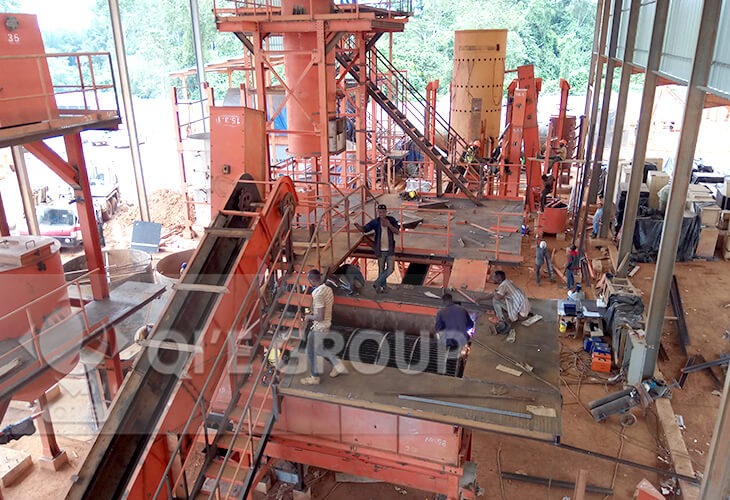
The design and construction stage is a critical part of establishing a successful palm oil processing plant in Nigeria. A well-planned factory layout, suitable infrastructure, and efficient equipment arrangement can improve production efficiency, reduce operating costs, and ensure smooth long-term operation.
The plant design should consider processing capacity, raw material flow, environmental conditions, expansion plans, and local operating conditions.
Before construction begins, a detailed feasibility study and engineering plan should be completed.
Key factors to evaluate include:
The selected site should be close to palm plantations to reduce transportation costs and minimize delays between harvesting and processing.
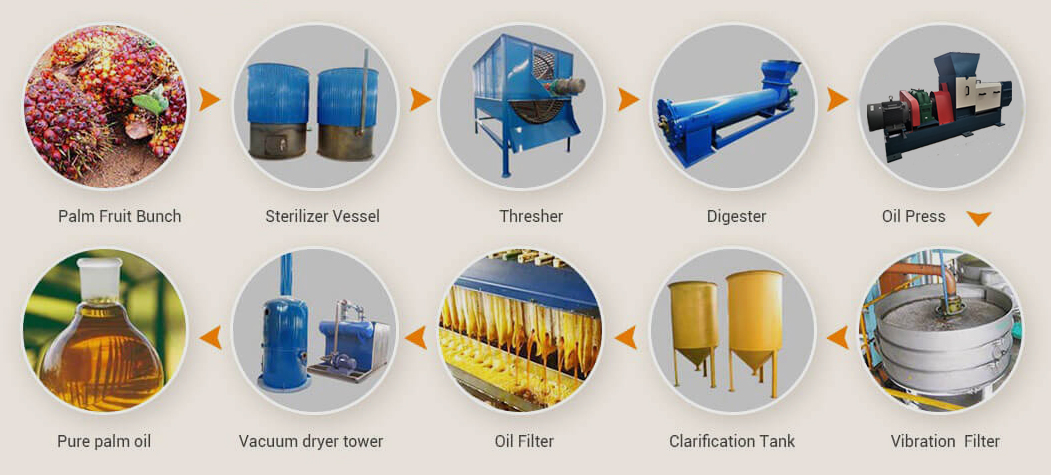
A good palm oil mill layout should ensure a logical production flow:
FFB Reception Area
↓
Sterilization Section
↓
Threshing Area
↓
Digestion & Pressing Section
↓
Clarification Area
↓
Oil Storage Tanks
↓
Palm Kernel Processing Area
The layout should minimize:
1. Fresh Fruit Bunch (FFB) Reception
Functions:
Design considerations:
Because FFB quality declines after harvesting, the reception area should allow quick movement into processing.
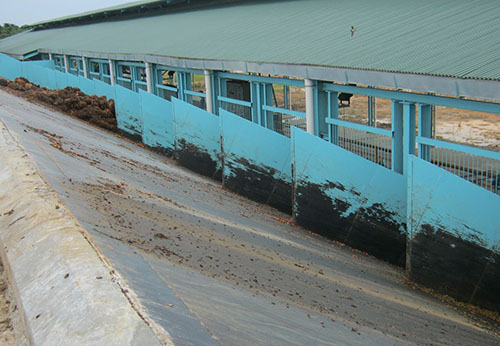
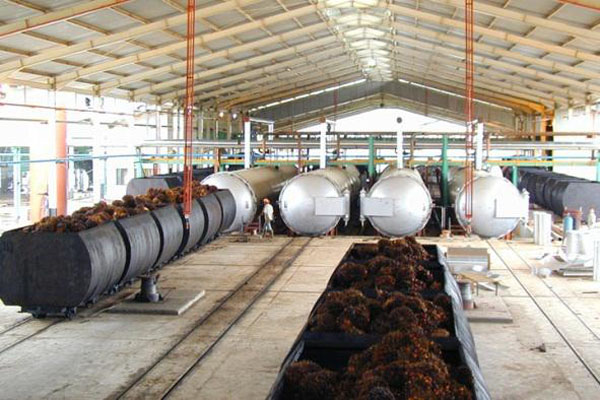
The sterilizer area is designed for:
Construction requirements:
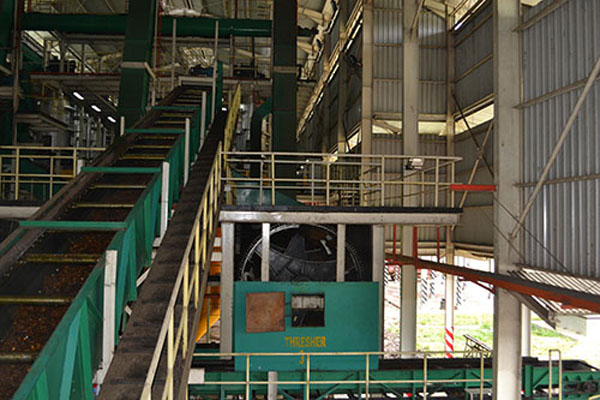
3. Threshing and Digestion Area
This section separates fruits from bunches and prepares the pulp for oil extraction.
Important considerations:
4. Pressing and Oil Clarification Area
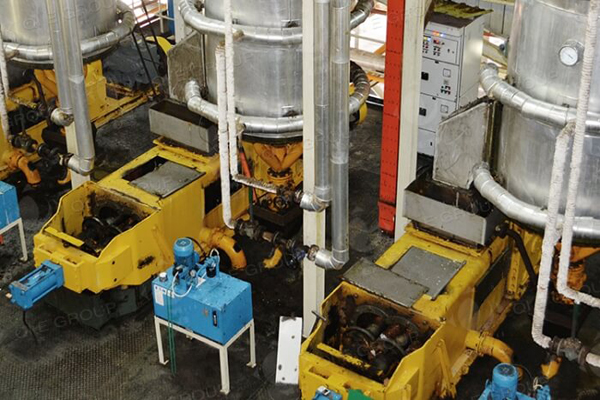
The pressing section is where crude palm oil is extracted.
Includes:
A good design helps improve:
5. Storage and Packaging Area
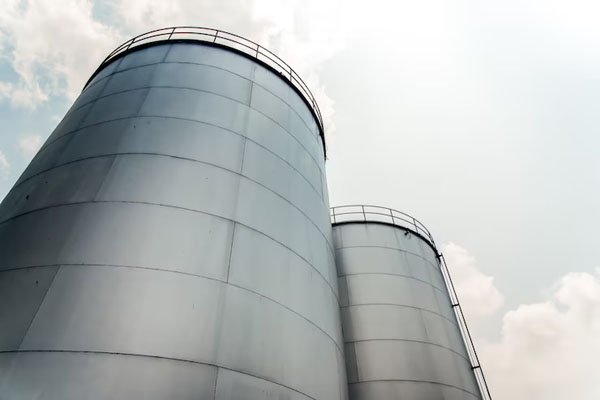
The storage area should include:
Storage tanks should be designed to prevent:
Designing and constructing a palm oil processing plant in Nigeria requires careful planning of site selection, factory layout, equipment arrangement, utilities, and environmental systems.
A successful plant design should:
✅ Match processing capacity with available FFB supply
✅ Provide efficient material flow
✅ Include reliable power and water systems
✅ Allow future expansion
✅ Meet environmental standards
For most investors entering Nigeria’s palm oil sector, a well-designed 1–10 TPH or 10–30 TPH palm oil processing plant provides a practical balance between investment cost, operational efficiency, and growth potential.


Palm Oil Production Line
Palm Oil Refinery Plant
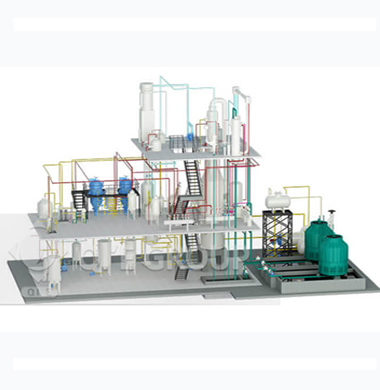
Palm Oil Fractionation Plant

Small Scale Palm Oil Processing Plant
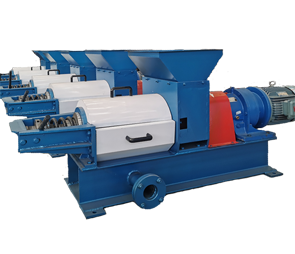
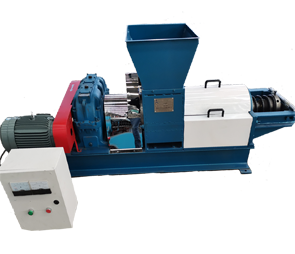
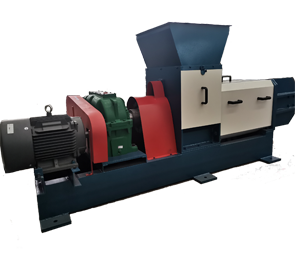
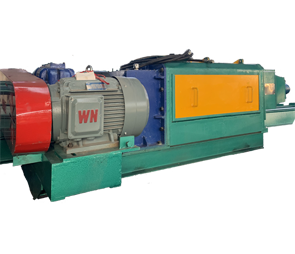
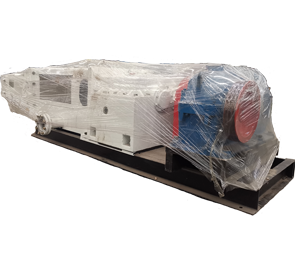
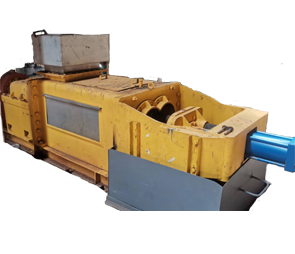
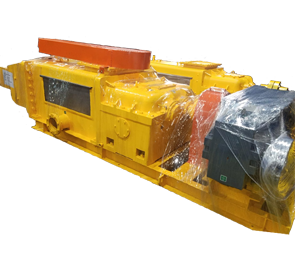
QIE Machinery offers a complete range of core equipment and related auxiliary equipment for palm oil solutions.
Whether you contact us by phone, email, or leave a message online, we will provide you with comprehensive and high-quality services.
Phone: 0086-13949113983
WhatsApp:
Email: qiea@oilpresses.org
Address: No.352 Lianhua Street, Hightech Industrial Development Zone, , Zhengzhou City,Henan Province, China
