QIE Machinery
QIE Machinery
QIE Machinery
QIE Machinery

Palm oil clarification is the essential purification stage in a palm oil mill where crude palm oil (CPO) is separated from its entrained impurities, water, and solid particles. Following the pressing stage, the resulting liquor is a complex mixture that requires clarification to ensure the final product meets high-quality standards. This process primarily utilizes gravity sedimentation in large settling tanks and mechanical separation through centrifuges or decanters to isolate the pure oil from sludge. By effectively removing moisture and residual fibers, clarification prevents oil rancidity, stabilizes the CPO for storage, and maximizes the overall oil recovery yield of the mill.
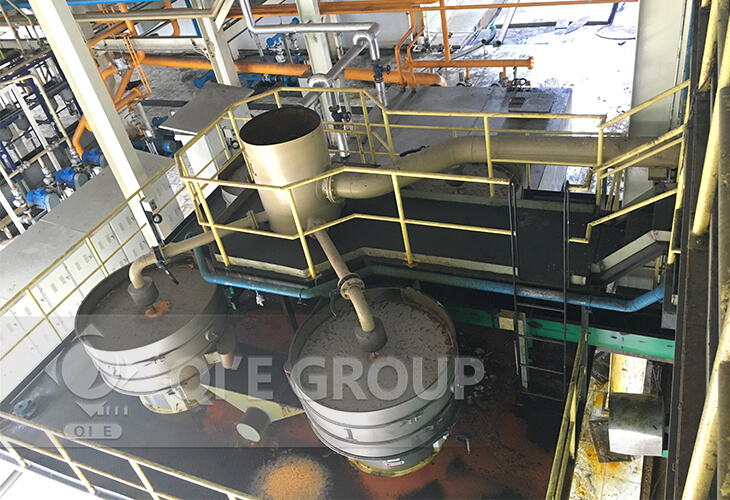
The palm oil clarification process follows a sequential path to purify crude palm oil (CPO) by removing water, solids, and other impurities. The goal is to produce a stable, clear product with a moisture content of approximately 0.1%.
Dilution and Heating: The thick crude oil liquor from the screw press is diluted with hot water to reduce its viscosity and facilitate separation. It is typically heated to a temperature of 85–90°C.
Screening: The diluted oil passes through a vibrating screen (mesh size 1–2 mm) to filter out large fibrous solids, sand, and other coarse residues.
Sedimentation (Settling): The mixture enters a clarification tank, where gravity allows it to separate into phases. The lighter, “pure” oil floats to the top and is skimmed off, while heavier sludge and sand sink to the conical bottom.
Centrifugal Purification: The skimmed oil is fed into an oil purifier (centrifuge) to rapidly remove residual water and fine particles. Simultaneously, the sludge at the bottom is often processed through a decanter to recover any remaining trapped oil.
Final Filtration: In many mills, the oil passes through a plate and frame filter press to remove any remaining microscopic impurities, further polishing the oil.
Vacuum Drying: To prevent rancidity during storage, the oil is sent to a vacuum dryer, which uses evaporation to remove the last traces of moisture.
Cooling and Storage: The purified CPO is cooled to approximately 45°C before being pumped into storage tanks for transport or further refining.
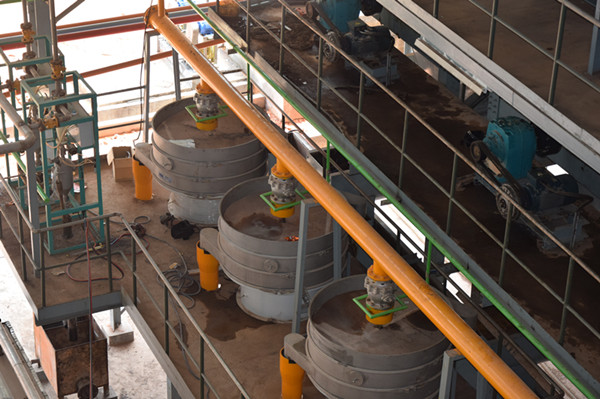
The oil clarification station in a palm oil mill utilizes several machines to remove water, sand, and fibrous impurities from crude palm oil (CPO). This stage is critical for stabilizing the oil and preventing rancidity during storage.
Vibrating Screen: Often the first stage, this machine uses a fine mesh to filter out large fibers, sand, and solid residues from the crude oil mixture.
Clarification Tank (Settling Tank): Large vertical or continuous tanks where gravity separation occurs. The heavier sludge and sand sink to the conical bottom, while the lighter, cleaner oil overflows from the top.
Oil Purifier (Centrifuge): Mechanical separators that use centrifugal force to rapidly isolate pure oil from any remaining water and fine solids.
Sludge Separator / Decanter: Specialized centrifuges (often 3-phase decanters) that recover residual oil from the sludge discarded by the primary clarification tanks.
Vacuum Oil Dryer: This system evaporates residual moisture from the purified oil, typically reducing moisture levels to as low as 0.1% to meet market quality standards.
Plate and Frame Filter Press: Used for final polishing to remove microscopic impurities, ensuring the oil is clear and stable.
Oil Collection & Storage Tanks: Intermediate tanks, such as the pure oil tank or sludge tank, that hold the separated phases before further processing or final storage.
Heat Exchangers & Steam Coils: These maintain the oil at temperatures between 85–90°C to lower its viscosity, which is essential for efficient separation.


Palm Oil Production Line
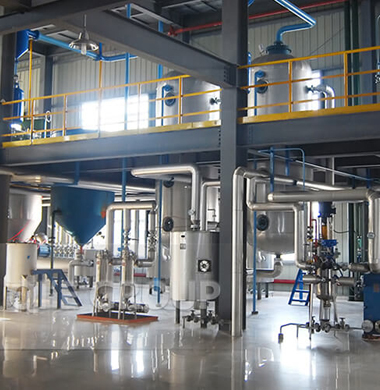
Palm Oil Refinery Plant
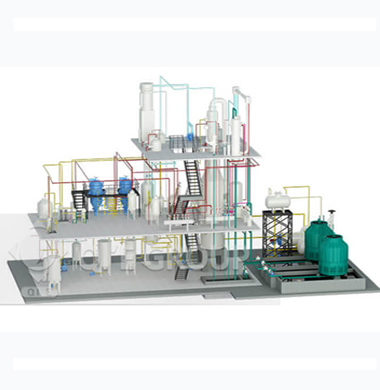
Palm Oil Fractionation Plant

Small Scale Palm Oil Processing Plant
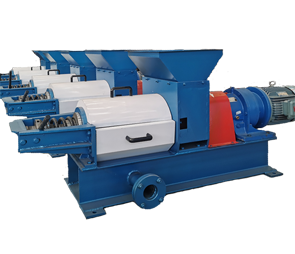
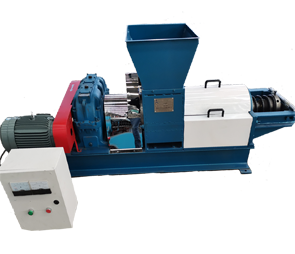
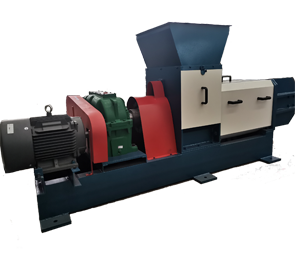
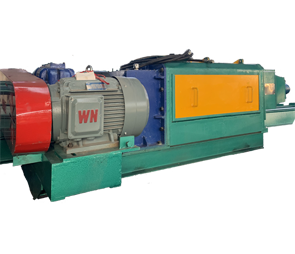
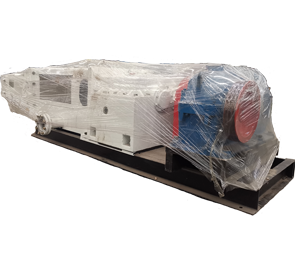
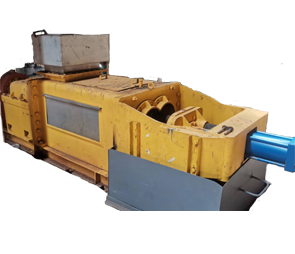
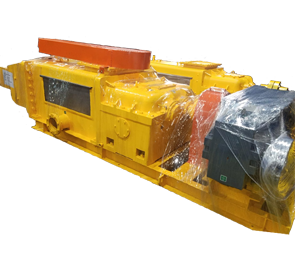
QIE Machinery offers a complete range of core equipment and related auxiliary equipment for palm oil solutions.
Whether you contact us by phone, email, or leave a message online, we will provide you with comprehensive and high-quality services.
Phone: 0086-13949113983
WhatsApp:
Email: qiea@oilpresses.org
Address: No.352 Lianhua Street, Hightech Industrial Development Zone, , Zhengzhou City,Henan Province, China